

Technology

The distinct cadence of a computerized voice echoing across the room was part of my early introduction to the world of accessibility. I was working in the disability services office at a university, and the robotic narration of JAWS (a screen reader) from a colleague’s desk had become part of the daily office foley. To me, the previously uninitiated, it was compelling to witness how much difference a piece of technology could make in enabling independence in the workplace and demonstrating inclusion.

Fast forward to today, where we all seem to be hurtling toward a future where, for many of us, our workplace and greater world will be heavily mediated by screens and all manner of artificial intelligence. Assistive technologies like JAWS, frankly, seem old hat by comparison. My news and professional feeds are regularly dotted with stories about how AI is poised to revolutionize technologies and bring more independence, more accessibility, and more equity. 

This Truly is the Stuff of Sci-Fi Movies

Multimodal AI: We are in an era where AI can “read” text on a screen. But what happens when AI operates multimodally? Authors Nithish Kumar and Aishwarya Srinivasan mention the myriad of possibilities for increasing accessibility in their article “The Sensory Revolution.” When AI can “smell” the sweetest strawberries at the grocery store, “see” the shortest checkout line, or “feel” the weight of the shopping bag, it can drastically support the experience of the built world for anyone who has a sensory limitation.

Wearable Technologies: Researchers are developing robotic exoskeletons to assist people with neuromuscular disorders (e.g., spinal cord injuries, stroke recovery). In-built AI systems could potentially provide “personalized control algorithms that could improve human–machine coordination” for these exoskeletons, according to a December 2025 article in Nature Communications. And jumping to a different type of wearable technology, Meta recently published an article about how its wearable glasses can be used, with AI assistance, to find lost keys, read restaurant menus, or get real-time captions.

New Robotics: Tatum Robotics is developing devices that can translate both words and images into tactile sign language and help deaf-blind users better communicate.

Trends in Product Development for Accessibility

At first glance, it all sounds pretty good. But as exciting as these developments may be, we still need to examine the means and ways these tools are developed. This need is made even more poignant by the fact that AI is not merely the final objective with these and similar new technologies; it is increasingly being deeply woven into the very fabric of product development and testing protocols. While I can’t speak to the development of the specific products described above, there are greater trends at play.  

According to Applause’s 2026 State of Digital Quality in Accessibility survey that surveyed more than 500 software development, QA, product, compliance and accessibility professionals, 79% reported that the organizations where they work use AI to improve digital accessibility in their websites and applications.. This, according to a large swathe of survey respondents, could look like “using AI coding tools to address/remediate accessibility issues” or “scan sites or apps for accessibility issues.”

One of the many issues with this is that many major LLM systems were not necessarily designed to be foremost disability-cognizant. Jackie Leah Scully reminds us in her article for Science, that “most AI developers have little formal knowledge of disability and are not taught about accessibility or inclusion during their training, while courses on AI ethics that discuss bias or diversity tend to focus on sex/gender and race, rather than disability” (Scully, 2018). If you are depending on AI to find the accessibility issues on your website, you must take into account that AI, historically, has been trained largely on websites that are not accessible and are then at risk of reproducing, as Eric Bailey described for GitHub, “accessibility antipatterns.” Moreover, AI models are trained on data that largely ignores the lived experiences of people with disabilities, which means their outputs frequently exhibit a lack of representation. This isn’t just a technical glitch; it’s a systemic deficit that can end up reinforcing existing biases. AI, simply put, cannot serve as be-all, end-all authority on accessibility.

Inclusion: “Nothing About Us Without Us”

These issues highlight a truth that the accessibility community has preached for decades: Product designers and technology developers must co-create with people with disabilities. This is not a new thought (“nothing about us without us”), but the increasing dependency on AI in product development makes the call to action all the more urgent. We cannot outsource the responsibility of designing accessible technologies to AI or synthetic participants, and people with disabilities cannot be brought in at the end-of-product design process for what amounts to token rubber-stamp approval. People with disabilities must be active stakeholders, present from the very first brainstorming session through the entire development pipeline. Yes, one could theoretically argue that the solution is just better AI. Yet, as our built environment rapidly transforms, the necessity of genuine human feedback becomes all the more important. AI systems, as aforementioned, are constrained by their training data, and therefore lack the agility to navigate cutting-edge built environment developments or offer the nuanced, lived responses that only a real person can provide. 

From a researcher’s perspective, these shifts underscore the necessity of intentional preparation to engage with the disability community during the research process. This Global Accessibility Awareness Day, I am reminded to reflect on my practice as a researcher in this age of AI, where the building of products is moving fast and there is more pressure to accelerate the research timeline. In my context of conducting research, this may mean advocating for the participation of individuals with disabilities, and holding the line when there is pushback. This may mean more time investment in finding people with disabilities to participate in research. It may mean dynamically adapting research instruments to meet the diverse needs of participants with disabilities. Or it may mean incorporating more flexibility within research sessions to meet differing needs. While these steps require time, resources, intentionality, and caution, the end result is worth it if it means a more thoughtfully designed, and genuinely accessible, technological future. As Debra Ruh famously said, “accessibility allows us to tap into everyone’s potential.” We must honor our responsibility—to those with disabilities, to those without disabilities who may or may not eventually develop disabilities, and to all technological progeny—to build things well.

By Farrah Brensinger, Senior User Experience Researcher
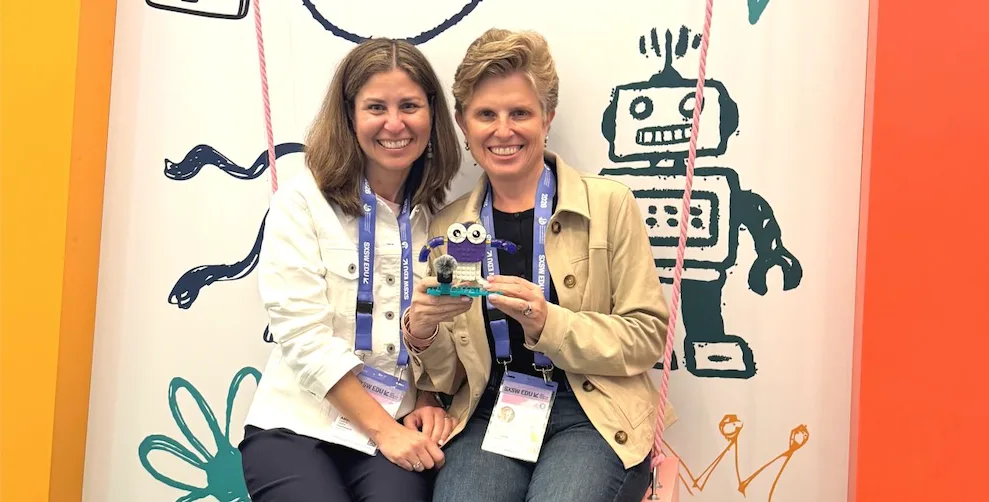
Earlier this month, Allison Caplovitz and Stefanie Cousins attended SXSW EDU in Austin, TX, where they explored the intersection of technology, early childhood education, human connection and wellbeing. The event offered a wealth of insights into how we can thoughtfully integrate AI and digital tools into the lives of young children while preserving the values that help them thrive.

Monica Sutton, a beloved educator and creator of the Ms. Monica YouTube channel, delivered a powerful message urging developers, policymakers, and families to rethink how technology is designed for young children. She emphasized the importance of bringing developmental specialists and child psychologists into the room during the creation process. Sutton also encouraged policymakers to slow down and carefully consider the long-term implications of digital tools, while reminding families to trust their instincts and wisdom when guiding their children. Her framework for evaluating technology for young learners is simple yet profound: Does it honor how young children learn? Does it support their growth and wellbeing? Does it help them thrive? And does it protect their curiosity and connection?

The role of AI in early childhood was another key theme at SXSW EDU. Interviewed by Michael Levine, Dr. Dana Suskind, a cochlear implant surgeon and co-director of the TMW Center for Early Learning & Public Health, highlighted the importance of nurturing connection, curiosity, and lifelong learning in an AI-driven world. She shared a striking observation about how quiet waiting rooms have become, as both parents and children are now glued to their devices. To help families and educators navigate the influx of AI tools, she introduced the DETECT framework, which encourages thoughtful evaluation of AI tools by asking questions like: Who is this designed for? Is there evidence it works? Do children have trouble with it? Does it promote ethical use? Does it protect children’s confidentiality? And does it teach in a way that is aligned with the values of the home or classroom?

The growing digital divide was another critical topic of discussion. While access to technology has expanded, the divide has shifted to who has access to opportunities for developing creativity and human-centered skills. Higher-income families are better positioned to prioritize these skills, while lower-income students often face more rigid, tech-mediated learning environments. This disparity raises concerns about equity and the long-term impact on children’s competence, agency, and resilience. Dr. Suskind also introduced another guiding acronym, HOPE, which underscores the irreplaceable value of human connection, the importance of owning AI’s imperfections, and the need to protect the foundational early years while using AI as a tool for enhancement, not replacement.

Several speakers likened the introduction of AI to the early days of social media, emphasizing the need to “get it right” this time. The stakes are high: relying too heavily on AI and removing opportunities for children to struggle and overcome obstacles could undermine their ability to build resilience and agency—qualities essential for wellbeing. Adeel Kahn, Founder and CEO of Magic School AI, shared an interesting lesson from his company’s journey. Initially, they anthropomorphized their AI bot for both teachers and students but quickly learned this approach wasn’t effective, underscoring the importance of thoughtful design in educational technology.

The conversations at SXSW EDU underscored a shared commitment to ensuring that technology serves as a tool for connection, creativity, growth, and wellbeing—not a replacement for the human touch. As Ms. Monica so eloquently put it, we must ask ourselves: Does this help children thrive? By keeping this question at the forefront, we can navigate the digital age with intention and care, ensuring a brighter future for the next generation.

By Stefanie Cousins, Vice President, Marketing & Communications, Fluent Research

The American Academy of Pediatrics’s (AAP) new policy statement on digital ecosystems, children, and adolescents is a meaningful shift in how we talk about kids’ lives online. Instead of reducing the conversation to “screen time” or putting the burden solely on parents, the AAP uses a socioecological model, recognizing that children’s experiences with media are shaped by many interacting factors: their developmental needs, family context, platform design, and the broader systems that influence what shows up on screens.

As someone trained in developmental science, I immediately recognized Bronfenbrenner in the AAP’s approach. Children don’t develop in a vacuum, and neither do their digital lives. And that framing resonates with me not just as someone who cares about the research, but as someone who has worked directly with content creators and product teams trying to build better experiences for kids and families.

What I’ve Learned From Working With Content Teams

In my work, I’ve seen that many creators genuinely want to make content that is meaningful, age appropriate, and effective for children. But good intentions aren’t enough. The details matter too, including pacing, interactivity, clarity of learning goals, and how content fits into real family routines. And at the end of the day, the content has to be engaging enough for children to actually want to watch and learn from it.

And just as importantly, even the most thoughtful programming can be undermined by the surrounding digital environment. Features like endless scrolling, autoplay, algorithmic recommendations, and design patterns that prioritize engagement over child wellbeing can shape how kids experience content in ways creators never intended.

That’s why I appreciate how clearly the AAP distinguishes between high-quality and low-quality experiences, and how much attention they give to the digital ecosystem itself. It’s not only what children consume, but how platforms deliver it. This connects closely to an article I wrote recently about persuasive design. Even when content is high quality, the surrounding design patterns can make it harder for kids (and parents) to disengage.

I also loved seeing the AAP explicitly highlight PBS KIDS as an example of high-quality, child-centered content. As someone who consults on several PBS KIDS properties (e.g., Count on June Bug!, Dicey Escape, Skillsville,), I’ve seen firsthand how thoughtful design and developmentally grounded storytelling can make a real difference for kids and families.

Trust & Safety Isn’t Just a Policy Problem — It’s a Human Problem

Another part of the policy that feels especially important is its recognition that families cannot carry this responsibility alone. In the AAP’s recommendations, you can see a broader call for platforms to build stronger safeguards, reduce harmful defaults, and increase transparency.

From my perspective, this is where trust and safety conversations need to evolve.

At Fluent Research, we help companies bring youth and family voice into decisions about safety, wellbeing, and platform design. One of the clearest lessons from that work is that teens often know they want to break away from certain online experiences, but they can’t seem to do it. Not because they don’t care, but because many platforms are designed to make stopping hard. How can we expect young people to “just log off” when the system is built to keep them there?

Listening to youth and caregivers doesn’t replace policy or enforcement, but it grounds it in lived reality.

A Shared Responsibility Framework We Can Build On

What I take away most from the AAP’s policy is this: if we want healthier digital environments, we need to stop treating children’s media use as the individual failure of a child, a parent, or even a single platform. We need to treat it as a system that can be designed differently.

And the good news is that systems can change. We can build products that support children’s agency instead of undermining it. We can create content that helps families connect instead of creating conflict. We can involve youth and caregivers early enough that safety and quality aren’t afterthoughts.

The AAP policy doesn’t just offer guidance, it offers a framework for shared responsibility. And from where I sit, working alongside creators, researchers, and product teams, that shared responsibility is exactly where the future needs to go.

By Allison Caplovitz, PhD, Director, Content Research and Evaluation

For the past few years, conversations about AI in education have tended to swing between urgency and abstraction, framed as either a looming threat or a transformative solution. But for many students, educators, and families, AI isn’t theoretical — it’s already part of daily life.

By 2026, the most important questions about AI in education aren’t about whether it belongs in classrooms or campuses. They focus on how it’s being experienced, negotiated, and understood by the people living with it.

At Fluent, our work consistently shows that young people don’t encounter technology in isolation. They experience it through relationships, pressure, trust, and care. AI in education is no exception.

1. AI is Blending into the Digital Environment Students Already Know

For students, AI rarely arrives as a single, clearly defined educational tool. Instead, it blends into the broader digital landscape — embedded in platforms they already use to search, write, communicate, and organize their work.

In 2026, schools and universities are increasingly formalizing AI use through policies and platforms. At the same time, students are encountering AI informally through writing assistance, study tools, and features built into everyday apps.

This overlap matters. Young people bring existing beliefs about technology into educational settings — including skepticism, fatigue, and an awareness of how persuasive digital systems can be.

AI adoption doesn’t start in the classroom. It builds on years of lived experience with screens and systems that already shape how young people learn, communicate, and cope.

2. Assessment Pressure Meets AI Head On

Few areas of education have felt the impact of AI as quickly as assessment. Traditional assignments — especially take-home writing and problem sets — now raise new questions about effort, authorship, and fairness.

In response, educators across K-12 and higher education are experimenting with new approaches:

• Placing more emphasis on process and reflection
• Designing assignments that require explanation and judgment
• Creating space for discussion, collaboration, and iteration

From a youth wellbeing perspective, this moment is revealing. AI doesn’t just change how students complete work — it changes how they experience academic pressure.

Rather than framing AI use as misconduct alone, many institutions are beginning to see it as a signal — pointing to deeper tensions around workload, competition, and the definition of success.

3. AI Literacy is Becoming Part of Learning to Live with Technology

As outright bans soften, more schools and universities are turning toward AI literacy — not simply teaching students how to use AI, but how to question it.

In practice, this often means helping students:

• Understand how AI generates responses
• Recognize bias, gaps, and overconfidence
• Decide when AI is helpful and when it isn’t

This mirrors earlier conversations about digital citizenship and persuasive design. Young people are already navigating complex technological systems. They need a shared language and adult guidance to make sense of them.

In this way, AI literacy is less about efficiency and more about agency.

4. Teaching is Becoming More about Interpretation Than Delivery

As AI handles more routine tasks, educators’ roles are shifting in ways that echo lessons from remote learning and hybrid classrooms.

Across education, teachers increasingly focus on:

• Helping students interpret information
• Supporting ethical and contextual judgment
• Creating space for discussion, uncertainty, and meaning-making

These shifts align with what Fluent has observed across youth and family research: young people value adults who help them think, not just produce answers.

AI may change how information is accessed, but it has also made the relational aspects of education more visible.

5. Family Context Still Shapes How AI is Used and Understood

Students don’t encounter AI on equal footing. Family expectations, access to resources, and prior experiences with technology all shape how AI is used and interpreted.

Some families encourage exploration and dialogue. Others express concern about dependence, fairness, or long-term impact. These differences influence how students approach AI — especially during key transitions from K-12 into higher education.

As with earlier shifts like remote schooling, AI highlights how deeply educational experiences are intertwined with home life.

6. AI’s Quiet Expansion Beyond the Classroom

While classroom use by teachers receives the most attention, AI’s influence increasingly extends into advising, enrollment, and student support systems — particularly in higher education.

These tools are often designed to:

• Identify students who may need support
• Streamline communication and services
• Improve retention and engagement

But they also raise important questions about transparency, consent, and trust — especially when students are unaware of how data is being used.

From a wellbeing perspective, support systems work best when students feel helped, not watched.

7. Learning When Not to Use AI

By 2026, the most meaningful conversations about AI in education are no longer about if AI is going to be part of the academic toolkit — they’re about boundaries.

Educators, students, and families are increasingly asking:

• When does AI support learning?
• When does it interfere with reflection, struggle, or creativity?
• What kinds of thinking should remain intentionally human?

These questions echo Fluent’s long-standing focus on intentional technology use. Sometimes, the most thoughtful design choice is deciding what not to go digital.

8. What This Moment Reveals

By revealing long-standing tensions around pressure, equity, trust, and purpose, AI is reshaping education.

In 2026, the challenge for policy makers and practitioners is to listen closely to the authentic voices of how students, families, and educators are already experiencing it.

As with every major technological shift, the most important insights don’t come from the tools themselves — they come from the people living alongside them.

Stefanie Cousins is Vice President, Marketing & Communications at Fluent Research.

In a world of endless scrolling and constant notifications, a growing number of young adults are asking a powerful question: what happens if we just stop? A recent study explored this concept, termed “digital quiet,” by asking 18 to 24-year-olds, a generation raised online, to take a one-week break from social media. The results were clear and immediate.

Even a short pause from the digital stream can significantly boost mental health. This finding aligns with years of research into how young people navigate complex online environments. They aren’t just passive consumers; they are actively managing emotional landscapes, setting boundaries, and learning to engage with technology in healthier ways. This post explores why taking intentional social media breaks is becoming an essential practice for well-being.

The Science Behind the Break: What a Week Away Can Do

The study, published in JAMA Network Open, split young adults into two groups. One group took a seven-day break from all social media platforms, while the other continued their use as normal. The findings from this digital detox were compelling.

After just one week, participants who took a break reported:

•  Lower levels of anxiety and depression.

•  A notable improvement in their overall wellbeing.

•  These positive effects were consistent for both young men and women.

For a generation that is exceptionally fluent in digital life, these results highlight a crucial reality: technical skill does not grant emotional immunity. The relentless pace and pressure of social media have tangible effects on mental health, even for the most savvy users.

Why a Digital Detox is So Effective

The benefits of stepping back from social media are rooted in how these platforms interact with our emotional and psychological needs. Our work with teens and young adults reveals several key dynamics that explain why a break can be so restorative.

It Interrupts Overwhelming Emotional Loops

Digital spaces can trigger rapid and intense emotional shifts. The constant flow of audio, video, and social feedback creates “emotional loops” that can become overwhelming, especially during stressful life periods. A digital detox breaks this cycle, giving one’s emotional system the space it needs to reset and recover.

It Creates Boundaries Where None Exist

Social media operates on a timeline without end. Conversations can be revived at any moment, and feeds refresh instantly with new content. This lack of natural endpoints creates an unspoken pressure to remain constantly available. Practicing digital quiet introduces a firm boundary that the platforms themselves do not provide, helping someone reclaim their time and attention.

It Pauses the Comparison Culture

The years between 16 and 24 are a peak period for identity formation, making young adults particularly sensitive to social comparison. Platforms filled with curated highlight reels can amplify self-doubt and fuel symptoms of anxiety and depression. Taking a break from social media interrupts these harmful comparison patterns, offering a chance to reconnect with one’s own sense of self-worth.

It Supports Developing Self-Regulation Skills

Even the most tech-savvy young adults are still developing crucial life skills like emotional filtering, boundary-setting, and self-regulation. These abilities are strengthened through practice. An intentional break acts as a training ground, supporting healthier and more mindful engagement when deciding to return to social platforms.

An Equal Opportunity Benefit for Mental Health

The study’s discovery that both young men and women benefit equally from a social media break is significant. With young women often using social feeds more and young men gravitating toward gaming, their online habits may differ, yett the core issues remain the same.

It isn’t a specific platform causing the strain. It’s the pace, the social pressure, and the unending demand for engagement that creates a heavy emotional load for everyone. A digital detox addresses these universal stressors, making it a valuable tool for all young adults.

Redefining the Relationship with Technology

It’s important to recognize that young people are not rejecting technology. They rely on digital platforms for connection, community, creative expression, and entertainment. They value what online life has to offer.

However, they also feel the significant weight of:

• Nonstop communication demands.

• Intense social expectations.

• Emotional and sensory overload.

• Poorly defined personal boundaries.

In response, many are already experimenting with ways to regain a sense of control. They are curating their feeds, silencing notifications, creating private online spaces, and taking intentional social media breaks. Digital quiet is not a top-down mandate; it’s a wellness strategy they are adopting for themselves.

How to Support and Encourage Digital Quiet

For parents, educators, and even platform designers, the conversation around social media and mental health is often framed as “good versus bad.” The reality is far more nuanced. Digital spaces can be sources of joy, learning, and support, but only when users have the skills and space to navigate them well.

Instead of advocating for total disengagement, a more helpful approach is to encourage balance. Here are some actionable ways to support young adults:

• Normalize periodic breaks: Talk about digital detoxes as a healthy and normal part of life, like taking a vacation from work.

• Promote self-regulation: Help young adults identify their own triggers for stress online and create plans for when to step back.

• Reduce the stigma: Frame social media breaks not as a sign of weakness, but as a proactive step toward better mental health.

• Advocate for better tools: Encourage the development of platform features that help users manage the intensity of their digital experiences.

Young people aren’t trying to escape their digital lives. They are learning how to use technology in a way that allows them to thrive both online and off.

The Takeaway: Reconnect with Yourself

Ultimately, digital quiet isn’t about disconnecting from the world—it’s about reconnecting with yourself. A week-long break may seem like a small action, but the research confirms its power. Even short pauses can reduce anxiety, improve mood, and help reset the emotional patterns tied to constant connection.

In a digital landscape defined by relentless feeds and the pressure to keep up, taking intentional social media breaks is emerging as an essential part of healthy living.

Stefanie Cousins is Vice President, Marketing & Communications at Fluent Research.

The next generation is ready, are we?

Artificial intelligence isn’t coming to classrooms; it’s already there. From adaptive tutoring tools to generative-AI writing assistants, students are encountering new technologies every day. But according to new global surveys, young people don’t just want more AI in education. They want it used responsibly, equitably, and creatively.

A 2025 UNESCO-UNEVOC study of students in 128 countries found that while most Gen Z learners are optimistic about AI’s potential to make learning more engaging and personalized, they also worry about bias, unequal access, and over-reliance on technology. These are questions that educators, families, and policymakers are only beginning to answer.

What young people say matters

At Fluent Research, our work consistently shows that youth are not passive participants in the digital world. They are active interpreters, testers, and critics of it. When asked about AI tools in classrooms, many teens express curiosity mixed with caution. They appreciate platforms that help them visualize complex concepts or learn at their own pace, but they also voice concern about losing the human connection that makes learning meaningful.

This aligns with our broader findings on digital citizenship: students thrive when they understand how technology works and how to use it responsibly. Embedding conversations about ethics, transparency, and data privacy into education is no longer optional. It is part of preparing young people for the world they are inheriting.

Bridging the digital divide

AI has the potential to reduce learning gaps, but only if every student can access it. The digital divide remains one of the most pressing equity issues in education. In many communities, limited connectivity or outdated devices prevent students from fully engaging with new learning tools.

For families and schools, this means advocacy at every level: ensuring infrastructure investments, equitable access to devices, and training educators to integrate AI thoughtfully. Research from UNICEF and the Pew Research Center highlights that students with reliable digital access are more confident not only in their tech skills but also in their overall academic performance.

How educators can make AI work for wellbeing

AI can be a powerful support for student wellbeing when it is used to enhance, not replace, the human aspects of learning. Tools that provide real-time feedback, automate repetitive tasks, or personalize study plans can reduce stress and boost motivation. But they must be paired with teacher guidance, media-literacy education, and opportunities for reflection.

Schools that combine digital-literacy training with mental-health awareness—teaching students how to navigate algorithms, manage screen time, and maintain balance—see measurable improvements in engagement and self-efficacy. 

Looking ahead

As we celebrate International Education Week, the conversation is not just about technology’s power to transform education. It is about the values that guide that transformation. Gen Z is asking educators and policymakers to listen, collaborate, and build a future where AI strengthens curiosity, empathy, and equity.

Fluent Research will continue exploring how young people learn, create, and connect in an age of intelligent machines, and what that means for families, schools, and the next generation of learners.

Stefanie Cousins is Vice President, Marketing & Communications at Fluent Research.

AI as an On-Demand Study Partner

For most teens, AI isn’t some mystical oracle—it’s a utility. A helpful assistant. Students use it to generate essay outlines, clarify complex topics, fix grammar, or summarize dense readings. The goal isn’t to cheat or cut corners; it’s to get unstuck. Whether it’s breaking down a math problem, brainstorming ideas, or interpreting a historical text, AI often functions as a just-in-time tutor that helps them keep moving forward.

Some describe it as a kind of “academic sidekick”—always there, never judging, and happy to explain things twice (or 10 times).

Personalization Through Practice

What’s striking is how students make AI work for them in unique, personal ways. One teen might use an AI chatbot to rephrase science notes into simpler terms. Another might ask it to generate flashcards or quiz questions for Spanish class. Yet another might want to “romanticize” their Google Doc with better formatting or more engaging headings—because when the workspace feels good, the work often follows.

These small acts of personalization don’t just make schoolwork easier—they make it more meaningful.

Mobile-First, Multi-Device Workflows

Today’s teen is a multitasking master, and their tech setup reflects that. Most AI interactions begin on mobile phones—especially iPhones—because that’s where their lives happen. Whether it’s using AI to rewrite a sentence while waiting at practice or asking it to explain a homework question at 10 p.m., the phone is often the first point of contact.

But when it comes time to write, edit, or build something bigger, teens switch to laptops or tablets. This cross-device flow is entirely normal for them. AI is just one of several tools they bounce between.

Still Skeptical—and Thoughtfully So

Contrary to fears about over-reliance, many teens are cautious about how they use AI. They don’t blindly accept every output. In fact, students often fact-check, revise, or use AI responses only as a starting point. For them, AI is a draft buddy, not a final authority.

There’s also a cultural layer at play. Some teens are hesitant to use AI openly because they don’t know how their teachers feel about it. School policies on AI use are still evolving, and that uncertainty shapes how confidently students engage with these tools.

AI Helps Solve Teen-Sized Problems

Beyond academics, AI is helping teens manage common challenges: time management, procrastination, and lack of focus. Some students use AI-powered reminders, timers, or summaries to break big tasks into manageable chunks. Others describe how having an organized digital workspace—especially one that’s aesthetically pleasing—helps them feel calmer and more in control.

These aren’t just features; they’re emotional tools. For teens juggling school, sports, part-time jobs, and social lives, AI can offer structure, reduce stress, and create breathing room.

What AI Should—and Shouldn’t Do

As AI becomes more deeply embedded in student life, it’s important to recognize what teens want from it—and what they don’t.

They want:

• Tools that help them learn, not do the work for them.
• Outputs that are accurate, relevant, and easy to revise.
• Design and workflow features that feel modern, responsive, and respectful of their time.

They don’t want:

• AI that talks down to them.
• Overly complex interfaces.
• Black-box decisions or content they can’t trust.

Looking Ahead

The future of AI in education will depend on how well we listen to young users. Teens don’t need flashy gimmicks or false promises. They need smart, thoughtful tools that respect their autonomy, support their learning, and adapt to how they really work.

If AI is going to play a meaningful role in youth development, it has to do more than just give answers. It has to understand how teens think—and help them do that thinking more clearly, more creatively, and more confidently

By Dan Warren, PhD, Director of Youth Development & Education.

Charlotte Beatty and I had the pleasure of attending the 2025 Games for Change (G4C) Festival, held on June 26–27 at Parsons School of Design in New York City. The event brought together innovators from the gaming, education, health, and social impact sectors, exploring how games and immersive media can foster collaboration across industries. We had the opportunity to listen to the latest social impact innovations from major gaming companies like Minecraft Education, Roblox, Ubisoft and changemakers in the space, such as Sesame Workshop, Ludic Mind Studios, and the Geena Davis Institute.

At Fluent Research, our work frequently intersects with gaming, EdTech, and media. The festival provided valuable insights into the future of these industries, inspiring us with new perspectives on how games can drive education, mental health, and social change. We’re eager to apply these learnings to our work.

Here are a few key takeaways we would like to share with you:

1. Dispelling Gaming Stereotypes

One of the key themes discussed at the festival was debunking conventional gaming stereotypes. Historically viewed as mere entertainment, gaming is now widely recognized as a powerful educational and therapeutic tool. The Geena Davis Institute, for example, detailed their methodology for identifying and addressing harmful stereotypes within games, particularly in fantasy storylines, through critical evaluation and revision of these harmful tropes.

Ludic Mind Studios also presented findings from a study analyzing the portrayal of mental illness across over 100 video games. This research revealed a prevalence of negative depictions, such as “asylums” being presented as sinister environments or individuals with mental health conditions being characterized as villainous or irredeemable. In response, Ludic Mind Studios developed a game, called “The Road Ahead”, that not only features positive mental health narratives but also equips players with practical strategies for managing their mental wellbeing through gameplay.

2. The Transformative Power of Gaming in EdTech

Gaming is fundamentally reshaping the EdTech landscape by delivering highly interactive learning experiences. Educational games effectively capture student engagement in ways that traditional classroom approaches often cannot, cultivating creativity, critical thinking, and collaborative skills while simultaneously enhancing learning enjoyment.

Consider Minecraft Education, which is now being integrated into school curricula to educate students on sustainability. Educators and librarians shared tremendous successes in leveraging Minecraft Education to engage students. In one example, students devised sustainable solutions within the game based on a real-world lab they conducted. Their work earned competition wins, media recognition, and ultimately led to a presentation at the United Nations. These students are now teaching younger learners how to use Minecraft Education to address real-world sustainability challenges.

Additionally, Roblox has introduced mini-games designed to teach young people about recycling, helping them understand the importance of sustainability in an interactive and fun way. These examples underscore gaming’s capacity to stimulate creativity and critical thinking while addressing critical global issues like environmental conservation.

3. Games as a Catalyst for Social Change

Games are rapidly emerging as powerful tools for addressing societal issues. During a panel discussion, the winners of the Unity 2025 Grant introduced their groundbreaking games and their impact on diverse communities. One developer created a game featuring a 3D animated avatar to teach American Sign Language (ASL) called the Small Talk app, offering an innovative communication learning tool for the hearing impaired. Another game immersed students in a large-scale ocean exploration, teaching them about environmental conservation and sustainability called World Ocean Explorer: A Virtual Immersion. Additionally, a robotics medical simulator was developed to assist disabled individuals with limited mobility in more effectively managing their medical care called RCareWorld was awarded the students grant. 

Ubisoft also presented their recent initiative for Just Dance, which incorporated a song and dance routine intended to represent what it’s like to have ADHD, helping to create a more positive and accurate representation of neurodiversity. This endeavor reflects EA’s broader commitment to inclusivity and raising awareness about mental health.

These projects are just a fraction of how the gaming industry is leveraging its influence to support underserved communities, enhance access to education, and provide improved care and learning opportunities. The potential for gaming to foster positive social change is truly inspiring.

4. Games for Emotional Regulation

Gaming can also serve as a valuable resource for emotional regulation, with some games specifically designed to assist players in managing stress and anxiety and practicing mindfulness techniques. Ludic Mind Studios has integrated therapeutic aspects into their games, emphasizing emotional awareness and resilience. These games not only entertain but also help players develop emotional intelligence and coping strategies, promoting overall mental wellbeing.

A particularly inspiring project highlighted at the festival came from a group of high school students in Los Angeles who developed a groundbreaking game within Roblox during a Hackathon. The game features an advanced AI system that proactively identifies and filters out negative language or speech directed at a player before reaching the recipient. The game also incorporates communal and restorative play principles. Players collaborate to cultivate a garden: positive remarks add to the greenery, while negative language results in reduced points. However, the player who used negative language is given the opportunity to retract their words and make amends. One of the students, who has been playing Roblox since he was 9 years old, shared a sentiment that resonated with the group: “As a young child, I didn’t understand what the words I was being told meant, I just knew it didn’t feel good, and I wanted to prevent that from happening to another child.” This project illustrates how games can foster a positive, supportive environment for emotional growth and empower players to develop healthier interactions both online and in real-world situations.

5. The Indispensability of Research in Game Design

The speakers at G4C underscored research in game design as an absolutely critical element for creating games that are not only enjoyable but also genuinely impactful. Particularly within the EdTech space, game developers often lack direct access to schools and educators, which complicates a full understanding of their unique needs and the optimal ways to tailor games for educational purposes. Research plays a pivotal role in bridging this gap, enabling developers to glean insights directly from educators and students to design more effective and engaging learning experiences. Collaborative efforts among researchers, educators, and game developers ensure that games are not merely entertaining but also fulfill educational objectives and address practical classroom challenges.

The 2025 Games for Change Festival showcased how far the gaming world has evolved and how much further it can go. From advancing inclusive storytelling and mental health support to transforming classrooms and empowering young creators, games are proving themselves to be powerful tools for learning, connection, and social impact. The ideas and projects we encountered reminded us that meaningful innovation happens at the intersection of creativity, empathy, and research. As games continue to push boundaries across industries, they offer exciting new pathways to solve real-world problems and build more connected, thoughtful, and equitable futures.

By User Experience Researcher Natalia Belchikov

On February 11, the world celebrates the International Day of Women and Girls in Science. This day is dedicated to recognizing the achievements of women in STEM (Science, Technology, Engineering, and Mathematics) fields. It is meant to inspire the next generation of girls to pursue scientific careers. Despite progress over the past few decades, women remain underrepresented in many STEM disciplines (i.e., engineering, physics, and computer science). 

For more than a decade, I’ve studied how exposure to STEM can shape the trajectory of a child’s aspirations. Early exposure to STEM and the representation of women in STEM are especially critical to helping girls seem themselves as scientists.

The Problem: Underrepresentation of Women in STEM

The underrepresentation of women in STEM is not just a question of current numbers. It is deeply tied to the ways in which girls perceive STEM fields from a young age. One well-known tool for measuring these perceptions is the “Draw-A-Scientist” test. This research method has been used for decades to analyze how children envision scientists. 

A meta-analysis of children’s drawings found that early elementary school children drew male and female scientists in nearly equal numbers. However, high school students depicted male scientists four times more frequently than female scientists. This trend was even more pronounced among girls. At age six, about 70% of girls drew female scientists, but by age 16, only 25% did (Miller et al., 2018).

When girls don’t see themselves reflected in STEM careers, they are less likely to believe they belong in those fields. This can affect their motivation to pursue advanced coursework in science and math, reducing the likelihood of a STEM career. But research also shows a solution. Early exposure to STEM learning opportunities and female role models can foster a lasting interest in STEM.

The Importance of Early STEM Exposure

Research has consistently demonstrated that early exposure to STEM concepts and experiences can shape children’s long-term academic success and career aspirations (Bustamante et al., 2023). So how can parents, teachers, and mentors help foster a love of STEM in girls? There are several evidence-based strategies that can make a real difference.

1. Build a Better STEM Foundation with Toys and Spatial Talk

Play is a powerful way for children to develop STEM-related skills without even realizing it. Everyday toys and games like blocks, puzzles, and Legos are powerful ways to promote spatial reasoning, critical thinking, and problem solving. Research shows that early spatial reasoning (the ability to mentally manipulate shapes and objects) is a strong predictor of later success in engineering and math.

Importantly, playing with kids rather than having them play alone helps to increase enjoyment and scaffold their learning. For example, adults and kids can try building a tower together and predicting when it will fall over. Then, they can problem solve together to figure out how to prevent it from falling over again. 

Using spatial language (e.g., words like “up” “small” and “flip”) can enhance children’s spatial reasoning skills during play. Studies have found that parents who use more spatial language with their children see improvements in their children’s spatial abilities, especially for girls (Pruden & Levine, 2017).

2. Choose High-quality STEM TV Shows and Games

Representation matters. Media that portrays women and girls as capable scientists can help normalize these roles and inspire young viewers. One notable example is PBS’s SciGirls, a show that follows real girls engaging in STEM, from designing technology to conducting environmental research. Similarly, PBS’s Odd Squad TV series and games introduce children to problem-solving concepts in a fun, detective-style format that spotlights female characters. 

Fluent Research has partnered with similar organizations to conduct research on the impact of exposure to math games on children’s math learning. We have found that such games had a positive impact on foundational math skills. TV shows and games focused on STEM not only promote these important skills, but can challenge stereotypes of girls in STEM fields.

3. Give Girls more Real-World STEM Experiences

Extracurricular STEM programs provide girls with opportunities to explore science and technology outside the classroom. Organizations like Girls Who Code offer free programs that teach girls how to code in supportive, collaborative environments. Similarly, STEM-focused exposure to programs like summer camps and science fairs provide hands-on experience to a variety of STEM concepts that can pique their interest.

Programs that bring scientists and engineers into classrooms can also have a significant impact. Schools and community organizations can invite female professionals to speak about their work as scientists, engineers, and data analysts. When girls meet women in STEM careers, they recognize that success in these fields is both attainable and important.

Supporting the Next Generation of Women in STEM

Supporting the next generation of women in STEM is crucial for expanding the roles women play in these fields. Promoting girls’ interest in STEM is not just about creating opportunities. It’s about challenging stereotypes, providing role models, and fostering environments where girls can build confidence in their abilities. At Fluent, we are dedicated to conducting research that supports children’s engagement with STEM. By supporting these initiatives, we help ensure that the next generation of scientists and leaders in STEM includes more girls.

Written by Kelly Sheehan, Senior User Experience Researcher at Fluent Research
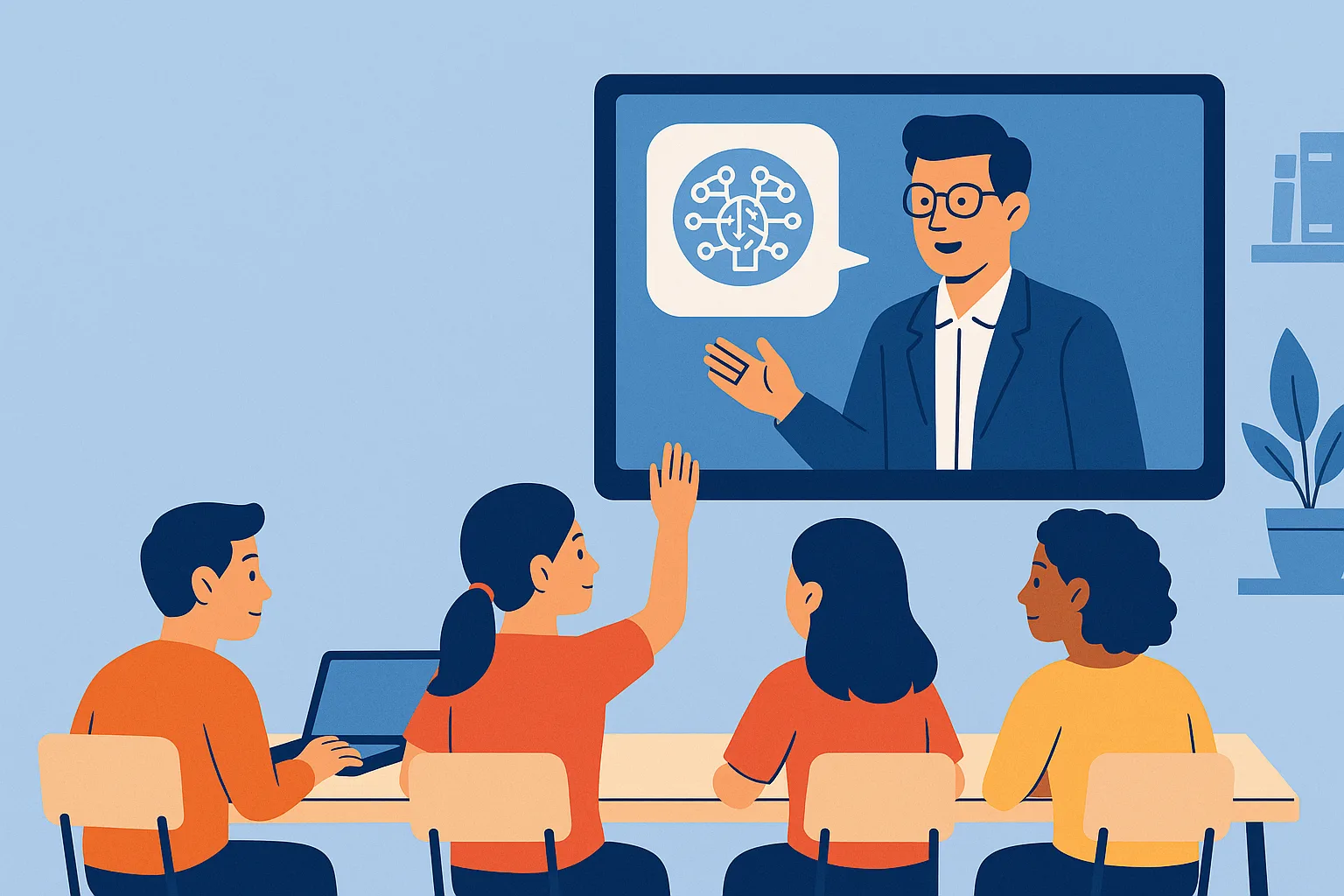
 

The recent Common Sense Media report on Generative AI in schools and homes found that Generative AI has rapidly become part of everyday life for teenagers, particularly in education. From helping with schoolwork to sparking interest in future careers, AI is shaping how young people learn and interact with the world.

A key concern raised in the report is that many parents are unaware of their children’s use of these tools, which creates a gap in support and guidance as teens explore AI. In addition, the report reveals that many schools lack clear guidelines for AI usage, leaving students to navigate these tools on their own, often without explicit teacher approval. This can lead to confusion about how AI should be used appropriately. It is therefore essential for educators to facilitate discussions about AI in the classroom. When students participate in these conversations, they gain a more nuanced understanding of both the advantages and challenges that AI presents.

But the future of AI in schools goes beyond teaching students how to use it appropriately. AI has the potential to transform education itself, moving away from the traditional model of hours spent sitting in classrooms and listening to lectures. I recently learned of a school that exemplifies this shift: the Alpha School in Austin, TX, which has fully integrated AI into its curriculum. Instead of being confined to traditional classroom methods, students learn core academic subjects using AI tailored to individual needs and learning styles, which leaves more time to explore life skills like financial literacy, public speaking, and problem-solving. These new opportunities allow education to be more dynamic, flexible, and suited to the diverse needs of students.

Generative AI is here to stay. Rather than sweeping it under the rug, parents and educators should embrace the technology, set clear rules, and teach teens how to use it responsibly. Schools need to develop clear AI policies and communicate them to families. Parents must educate themselves on the tools their children are using and have open conversations about how to leverage AI in positive ways.

More importantly, AI presents an opportunity to shift the traditional learning model itself. With AI, schools no longer need to rely on outdated methods of passive learning. Instead, they can create more dynamic, student-centered environments where personalized education and life skills are prioritized. By embracing AI, we can foster a new era of learning—one that not only teaches core subjects more efficiently but also equips students with the critical skills they’ll need to thrive in a rapidly changing world.

By Allison Caplovitz, Director of Content Research and Evaluation