

Education

May can feel like a sprint, a pileup, and an emotional goodbye all at once. I don’t know about you, but the stress levels in my house are pretty high, all due to my teens’ AP exams, end-of-year projects, and finals. They don’t call this month “Mayhem” and “Maycember” for nothing!

One week, a child may be studying for finals, rushing to a band concert, worrying about friendship shifts, and counting down to summer. A parent may be tracking permission slips, late assignments, sports banquets, graduation dates, and changes in mood that seem to come out of nowhere. It is a lot. And for many families like mine, the stress of May is not about one big event. It is about everything happening at the same time.

May is also Mental Health Awareness Month. That makes it a good time to remember something simple but important: mental health is part of health. Support, connection, rest, and recovery matter at every age.

For families, the goal is not to remove every stressor. Some end-of-year stress is normal. The goal is to lower unnecessary pressure, protect recovery time, and give kids support that fits where they are developmentally.

As we mark Fluent Research’s 20th anniversary, that idea feels especially meaningful. For two decades, we have studied how people navigate cultural and technological change. That work has included learning environments, safer digital experiences, youth culture, children’s and teens’ mental health, education, digital wellbeing, and human-centered innovation. Across all of it, one lesson keeps showing up: young people do better when adults understand where they are developmentally, listen closely, and create conditions that support connection, confidence, and wellbeing.

That is why an age-by-age approach matters. A fifth grader, a freshman, a graduating senior, and a college student may all be winding down the school year. But they are doing very different emotional, social, and developmental work. In May, exhaustion can also make kids seem younger, moodier, less organized, or more overwhelmed than they were earlier in the semester. That does not always mean something is wrong. Often, it means their systems are overloaded.

Here are age-by-age ways to help kids and young adults close the school year with less stress and more steadiness.

Why May Is So Stressful

The end of the school year often brings a heavy mix of demands:

  • Final projects and exams
  • Performances, tournaments, and banquets
  • Field days, spirit weeks, and graduation events
  • Friendship changes and social pressure
  • Summer planning and schedule shifts
  • The emotional weight of endings and transitions

Even positive events can add stress. A child may be excited about summer and still feel sad about leaving a teacher. A teen may be proud of graduating and still feel scared about what comes next. Mixed emotions are normal.

Mental Health Awareness Month: A Reminder

May is a natural time to talk about mental health because it asks young people to do two hard things at once: finish strong and let go.

Mental health support does not always mean a major intervention. Often, it looks like:

  • Clearer routines
  • Fewer unnecessary pressures
  • More sleep
  • Better boundaries around digital overload
  • Calm, respectful check-ins
  • Space for recovery

When we make room for those basics, we help kids manage stress before it grows bigger.

Tweens, Ages 10–12: Make the Month Feel Manageable

Tweens often live in the space between childhood and adolescence. They may want more independence, but they still need concrete structure, reminders, and help seeing the whole picture.

At this age, stress may show up as:

  • Tears
  • Irritability
  • Avoidance
  • Stomachaches
  • Forgotten assignments
  • Sudden overwhelm about something that seems small to adults

The most helpful thing adults can do is make the invisible visible.

Create a simple May calendar that shows tests, projects, field trips, performances, spirit days, celebrations, and family events. Then help your child sort what is required, what is optional, and what can be skipped. A visual plan lowers the mental load.

Use small, specific steps. Instead of saying, “You need to get ready for finals,” try: “Let’s put your science papers in one folder, review the study guide for 15 minutes, and pack your calculator tonight.” Tweens are still building planning skills. Clear next steps help them feel capable.

Protect bedtime and decompression. The end of the year often brings later nights, extra activities, and more screen time. A predictable evening routine can help their nervous system settle. Think snack, shower, backpack reset, quiet reading, music, or another calming activity.

Make room for mixed feelings. Some tweens are excited for summer. Others are sad to leave a teacher, nervous about middle school, or unsure where friendships stand. A walk, car ride, or casual errand may open the door better than a direct conversation.

Try saying: There’s a lot happening this month. Let’s look at the week together and make it feel smaller.

Early Teens, Ages 13–15: Offer Choices, Not Lectures

Early teens are often managing rapid changes in their bodies, emotions, friendships, identity, and independence. They may want adult-like freedom while still needing adult help to think through consequences, manage stress, and recover from emotional ups and downs.

In May, stress for early teens often comes from:

  • Grades
  • Social comparison
  • Friendship drama
  • Group chats
  • Performance pressure
  • The feeling that everyone else is handling things better than they are

Offer structure with choice. Instead of “You need to study now,” try: “Would you rather study before dinner or after dinner?” Choice supports autonomy while still providing boundaries.

Use “take a beat” language. Early teens can feel things intensely and react quickly. Help them pause without shaming them. You might say, “Let’s take a beat. What’s one other possible explanation?” or “What would you tell a friend who was feeling this way?”

Help them notice digital stress loops. A teen may be physically home but emotionally stuck in a group chat, a post, a streak of comparison, or fear of being left out. Rather than leading with “Get off your phone,” ask: “Is being on this app helping you feel connected, or is it making tonight harder?” Then talk through options like muting notifications, taking a timed break, leaving a chat, unfollowing, blocking, or asking for help.

Shift the focus from identity to strategy. Comments like “Why are you so disorganized?” can feel like character judgments. Try, “What part of this is still in your control?” or “What would make tomorrow morning easier?”

Keep the door open. Early teens may reject support and still need it. A calm “I’m around when you want help” often lands better than repeated questioning.

Try saying: I’m not here to take over. I’m here to help you make a plan that works.

Late Teens, Ages 16–17: Reduce Future Overload

Late teens are often trying to finish the school year while also thinking about what comes next. They may be juggling exams, AP tests, graduation requirements, prom, jobs, sports, college decisions, summer work, family expectations, and the emotional reality of leaving a familiar stage of life.

By this age, stress is not only about this week’s assignments. It may also be about:

  • College
  • Money
  • Career questions
  • Relationships
  • Independence
  • Current events
  • Whether they are “ready” for adulthood

Treat them like collaborators. Ask, “Do you want help making a plan, or do you mostly need me to listen?” That one question can lower defensiveness and clarify what kind of support they actually want.

Create a next 30 days map. Put school deadlines, work shifts, forms, applications, celebrations, rest days, and family commitments in one place. Older teens can think more abstractly, but seeing the month laid out still helps reduce pressure.

Separate urgent from important. Everything can feel urgent in May. Help your teen sort tasks into what is due now, due soon, emotionally important, optional, and not worth the energy. This helps them conserve effort for what matters most.

Watch the work-school balance. Part-time work can build confidence, responsibility, and real-world skills. But too many hours during the school year can crowd out sleep, schoolwork, family connection, and social life.

Make room for grief and pride. A teen may be excited to graduate and sad about leaving. They may be ready for college and scared of it. They may want independence and still need reassurance. Mixed emotions are part of transition.

Try saying: You don’t have to have your whole future figured out this month. Let’s focus on the next right steps.

Young Adults, Ages 18–24: Support Without Re-Managing

For college students and young adults, May can bring finals, moving out, internships, job searches, financial stress, changing relationships, and returning home after a year of independence. They may need support, but they usually do not want to feel managed like they are back in high school.

The best approach is to act more like a consultant than a director.

Ask before advising. “Would feedback help, or would encouragement help more?” is often more effective than launching into solutions.

Support basic routines without turning them into criticism. Sleep, food, movement, laundry, transportation, and money can all become stress multipliers during transitions. Practical support can help, especially when offered respectfully.

Normalize uncertainty. Young adults may be making decisions about majors, jobs, relationships, identity, values, and where they belong. They do not need to have everything figured out just because the semester is ending.

Encourage connection. When school ends, that built-in community can disappear quickly. Help young adults think about where they will find belonging during the summer:

  • Friends
  • Work
  • Volunteering
  • Creative projects
  • Exercise groups
  • Spiritual communities
  • Neighborhood activities
  • Family rituals

Respect recovery time. A student coming home from finals may need sleep, food, and quiet before they are ready to talk about grades, plans, or responsibilities.

Try saying: I trust you. I’m here as backup while you sort through what’s next.

Stress-Lowering Practices That Help at Every Age

Some supports work across every age group. They are simple, but they matter.

Protect Sleep

May tends to steal sleep first. But sleep is one of the most important supports for emotional regulation, learning, and resilience.

Lower the Comparison Temperature

Awards ceremonies, grades, college announcements, tryout results, and social media posts can make young people feel measured from every direction. Remind them that someone else’s milestone is not a verdict on their worth.

Create Small Rituals of Closure by Asking:

  • What do you want to remember from this year?
  • What are you proud of getting through?
  • Who helped you?
  • What do you want to leave behind?

Reflection can turn a stressful ending into a meaningful transition.

Use Connection Before Correction

Kids are more likely to problem solve when they feel safe, seen, and respected. This does not mean removing limits. It means leading with human connection so limits can be heard.

Celebrate Recovery, Not Just Achievement

The end of the year is not only about grades, trophies, awards, and admissions. It is also about persistence, friendship, courage, repair, growth, and rest.

When Stress Seems Bigger Than the Season

Some stress is expected at the end of the school year. But persistent sadness, hopelessness, withdrawal, panic, major changes in sleep or eating, self-harm, or talk of not wanting to live should be taken seriously.

Reach out to a school counselor, pediatrician, therapist, or local crisis support if needed. Early support matters.

A Brief Workplace Connection

There is also a useful lesson here for workplaces. Young people do better when expectations are clear, recovery time is protected, and support matches the moment. Adults do better under those same conditions. The way we support kids through periods of high demand can remind us what healthy culture looks like everywhere: clear communication, realistic expectations, empathy, and room to recover.

Closing the Year With More Steadiness

With the right support for the right age, families can help kids close the school year with less pressure, more connection, and a clearer sense that they are growing, not just performing.

Written by Stefanie Cousins, Vice President, Marketing & Communications, Fluent Research

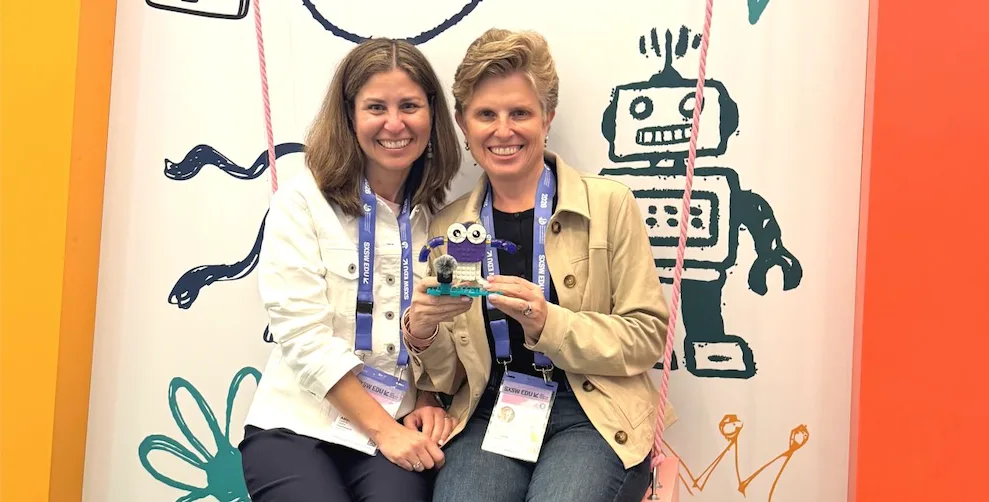
Earlier this month, Allison Caplovitz and Stefanie Cousins attended SXSW EDU in Austin, TX, where they explored the intersection of technology, early childhood education, human connection and wellbeing. The event offered a wealth of insights into how we can thoughtfully integrate AI and digital tools into the lives of young children while preserving the values that help them thrive.

Monica Sutton, a beloved educator and creator of the Ms. Monica YouTube channel, delivered a powerful message urging developers, policymakers, and families to rethink how technology is designed for young children. She emphasized the importance of bringing developmental specialists and child psychologists into the room during the creation process. Sutton also encouraged policymakers to slow down and carefully consider the long-term implications of digital tools, while reminding families to trust their instincts and wisdom when guiding their children. Her framework for evaluating technology for young learners is simple yet profound: Does it honor how young children learn? Does it support their growth and wellbeing? Does it help them thrive? And does it protect their curiosity and connection?

The role of AI in early childhood was another key theme at SXSW EDU. Interviewed by Michael Levine, Dr. Dana Suskind, a cochlear implant surgeon and co-director of the TMW Center for Early Learning & Public Health, highlighted the importance of nurturing connection, curiosity, and lifelong learning in an AI-driven world. She shared a striking observation about how quiet waiting rooms have become, as both parents and children are now glued to their devices. To help families and educators navigate the influx of AI tools, she introduced the DETECT framework, which encourages thoughtful evaluation of AI tools by asking questions like: Who is this designed for? Is there evidence it works? Do children have trouble with it? Does it promote ethical use? Does it protect children’s confidentiality? And does it teach in a way that is aligned with the values of the home or classroom?

The growing digital divide was another critical topic of discussion. While access to technology has expanded, the divide has shifted to who has access to opportunities for developing creativity and human-centered skills. Higher-income families are better positioned to prioritize these skills, while lower-income students often face more rigid, tech-mediated learning environments. This disparity raises concerns about equity and the long-term impact on children’s competence, agency, and resilience. Dr. Suskind also introduced another guiding acronym, HOPE, which underscores the irreplaceable value of human connection, the importance of owning AI’s imperfections, and the need to protect the foundational early years while using AI as a tool for enhancement, not replacement.

Several speakers likened the introduction of AI to the early days of social media, emphasizing the need to “get it right” this time. The stakes are high: relying too heavily on AI and removing opportunities for children to struggle and overcome obstacles could undermine their ability to build resilience and agency—qualities essential for wellbeing. Adeel Kahn, Founder and CEO of Magic School AI, shared an interesting lesson from his company’s journey. Initially, they anthropomorphized their AI bot for both teachers and students but quickly learned this approach wasn’t effective, underscoring the importance of thoughtful design in educational technology.

The conversations at SXSW EDU underscored a shared commitment to ensuring that technology serves as a tool for connection, creativity, growth, and wellbeing—not a replacement for the human touch. As Ms. Monica so eloquently put it, we must ask ourselves: Does this help children thrive? By keeping this question at the forefront, we can navigate the digital age with intention and care, ensuring a brighter future for the next generation.

By Stefanie Cousins, Vice President, Marketing & Communications, Fluent Research

For the past few years, conversations about AI in education have tended to swing between urgency and abstraction, framed as either a looming threat or a transformative solution. But for many students, educators, and families, AI isn’t theoretical — it’s already part of daily life.

By 2026, the most important questions about AI in education aren’t about whether it belongs in classrooms or campuses. They focus on how it’s being experienced, negotiated, and understood by the people living with it.

At Fluent, our work consistently shows that young people don’t encounter technology in isolation. They experience it through relationships, pressure, trust, and care. AI in education is no exception.

1. AI is Blending into the Digital Environment Students Already Know

For students, AI rarely arrives as a single, clearly defined educational tool. Instead, it blends into the broader digital landscape — embedded in platforms they already use to search, write, communicate, and organize their work.

In 2026, schools and universities are increasingly formalizing AI use through policies and platforms. At the same time, students are encountering AI informally through writing assistance, study tools, and features built into everyday apps.

This overlap matters. Young people bring existing beliefs about technology into educational settings — including skepticism, fatigue, and an awareness of how persuasive digital systems can be.

AI adoption doesn’t start in the classroom. It builds on years of lived experience with screens and systems that already shape how young people learn, communicate, and cope.

2. Assessment Pressure Meets AI Head On

Few areas of education have felt the impact of AI as quickly as assessment. Traditional assignments — especially take-home writing and problem sets — now raise new questions about effort, authorship, and fairness.

In response, educators across K-12 and higher education are experimenting with new approaches:

• Placing more emphasis on process and reflection
• Designing assignments that require explanation and judgment
• Creating space for discussion, collaboration, and iteration

From a youth wellbeing perspective, this moment is revealing. AI doesn’t just change how students complete work — it changes how they experience academic pressure.

Rather than framing AI use as misconduct alone, many institutions are beginning to see it as a signal — pointing to deeper tensions around workload, competition, and the definition of success.

3. AI Literacy is Becoming Part of Learning to Live with Technology

As outright bans soften, more schools and universities are turning toward AI literacy — not simply teaching students how to use AI, but how to question it.

In practice, this often means helping students:

• Understand how AI generates responses
• Recognize bias, gaps, and overconfidence
• Decide when AI is helpful and when it isn’t

This mirrors earlier conversations about digital citizenship and persuasive design. Young people are already navigating complex technological systems. They need a shared language and adult guidance to make sense of them.

In this way, AI literacy is less about efficiency and more about agency.

4. Teaching is Becoming More about Interpretation Than Delivery

As AI handles more routine tasks, educators’ roles are shifting in ways that echo lessons from remote learning and hybrid classrooms.

Across education, teachers increasingly focus on:

• Helping students interpret information
• Supporting ethical and contextual judgment
• Creating space for discussion, uncertainty, and meaning-making

These shifts align with what Fluent has observed across youth and family research: young people value adults who help them think, not just produce answers.

AI may change how information is accessed, but it has also made the relational aspects of education more visible.

5. Family Context Still Shapes How AI is Used and Understood

Students don’t encounter AI on equal footing. Family expectations, access to resources, and prior experiences with technology all shape how AI is used and interpreted.

Some families encourage exploration and dialogue. Others express concern about dependence, fairness, or long-term impact. These differences influence how students approach AI — especially during key transitions from K-12 into higher education.

As with earlier shifts like remote schooling, AI highlights how deeply educational experiences are intertwined with home life.

6. AI’s Quiet Expansion Beyond the Classroom

While classroom use by teachers receives the most attention, AI’s influence increasingly extends into advising, enrollment, and student support systems — particularly in higher education.

These tools are often designed to:

• Identify students who may need support
• Streamline communication and services
• Improve retention and engagement

But they also raise important questions about transparency, consent, and trust — especially when students are unaware of how data is being used.

From a wellbeing perspective, support systems work best when students feel helped, not watched.

7. Learning When Not to Use AI

By 2026, the most meaningful conversations about AI in education are no longer about if AI is going to be part of the academic toolkit — they’re about boundaries.

Educators, students, and families are increasingly asking:

• When does AI support learning?
• When does it interfere with reflection, struggle, or creativity?
• What kinds of thinking should remain intentionally human?

These questions echo Fluent’s long-standing focus on intentional technology use. Sometimes, the most thoughtful design choice is deciding what not to go digital.

8. What This Moment Reveals

By revealing long-standing tensions around pressure, equity, trust, and purpose, AI is reshaping education.

In 2026, the challenge for policy makers and practitioners is to listen closely to the authentic voices of how students, families, and educators are already experiencing it.

As with every major technological shift, the most important insights don’t come from the tools themselves — they come from the people living alongside them.

Stefanie Cousins is Vice President, Marketing & Communications at Fluent Research.

The next generation is ready, are we?

Artificial intelligence isn’t coming to classrooms; it’s already there. From adaptive tutoring tools to generative-AI writing assistants, students are encountering new technologies every day. But according to new global surveys, young people don’t just want more AI in education. They want it used responsibly, equitably, and creatively.

A 2025 UNESCO-UNEVOC study of students in 128 countries found that while most Gen Z learners are optimistic about AI’s potential to make learning more engaging and personalized, they also worry about bias, unequal access, and over-reliance on technology. These are questions that educators, families, and policymakers are only beginning to answer.

What young people say matters

At Fluent Research, our work consistently shows that youth are not passive participants in the digital world. They are active interpreters, testers, and critics of it. When asked about AI tools in classrooms, many teens express curiosity mixed with caution. They appreciate platforms that help them visualize complex concepts or learn at their own pace, but they also voice concern about losing the human connection that makes learning meaningful.

This aligns with our broader findings on digital citizenship: students thrive when they understand how technology works and how to use it responsibly. Embedding conversations about ethics, transparency, and data privacy into education is no longer optional. It is part of preparing young people for the world they are inheriting.

Bridging the digital divide

AI has the potential to reduce learning gaps, but only if every student can access it. The digital divide remains one of the most pressing equity issues in education. In many communities, limited connectivity or outdated devices prevent students from fully engaging with new learning tools.

For families and schools, this means advocacy at every level: ensuring infrastructure investments, equitable access to devices, and training educators to integrate AI thoughtfully. Research from UNICEF and the Pew Research Center highlights that students with reliable digital access are more confident not only in their tech skills but also in their overall academic performance.

How educators can make AI work for wellbeing

AI can be a powerful support for student wellbeing when it is used to enhance, not replace, the human aspects of learning. Tools that provide real-time feedback, automate repetitive tasks, or personalize study plans can reduce stress and boost motivation. But they must be paired with teacher guidance, media-literacy education, and opportunities for reflection.

Schools that combine digital-literacy training with mental-health awareness—teaching students how to navigate algorithms, manage screen time, and maintain balance—see measurable improvements in engagement and self-efficacy. 

Looking ahead

As we celebrate International Education Week, the conversation is not just about technology’s power to transform education. It is about the values that guide that transformation. Gen Z is asking educators and policymakers to listen, collaborate, and build a future where AI strengthens curiosity, empathy, and equity.

Fluent Research will continue exploring how young people learn, create, and connect in an age of intelligent machines, and what that means for families, schools, and the next generation of learners.

Stefanie Cousins is Vice President, Marketing & Communications at Fluent Research.

AI as an On-Demand Study Partner

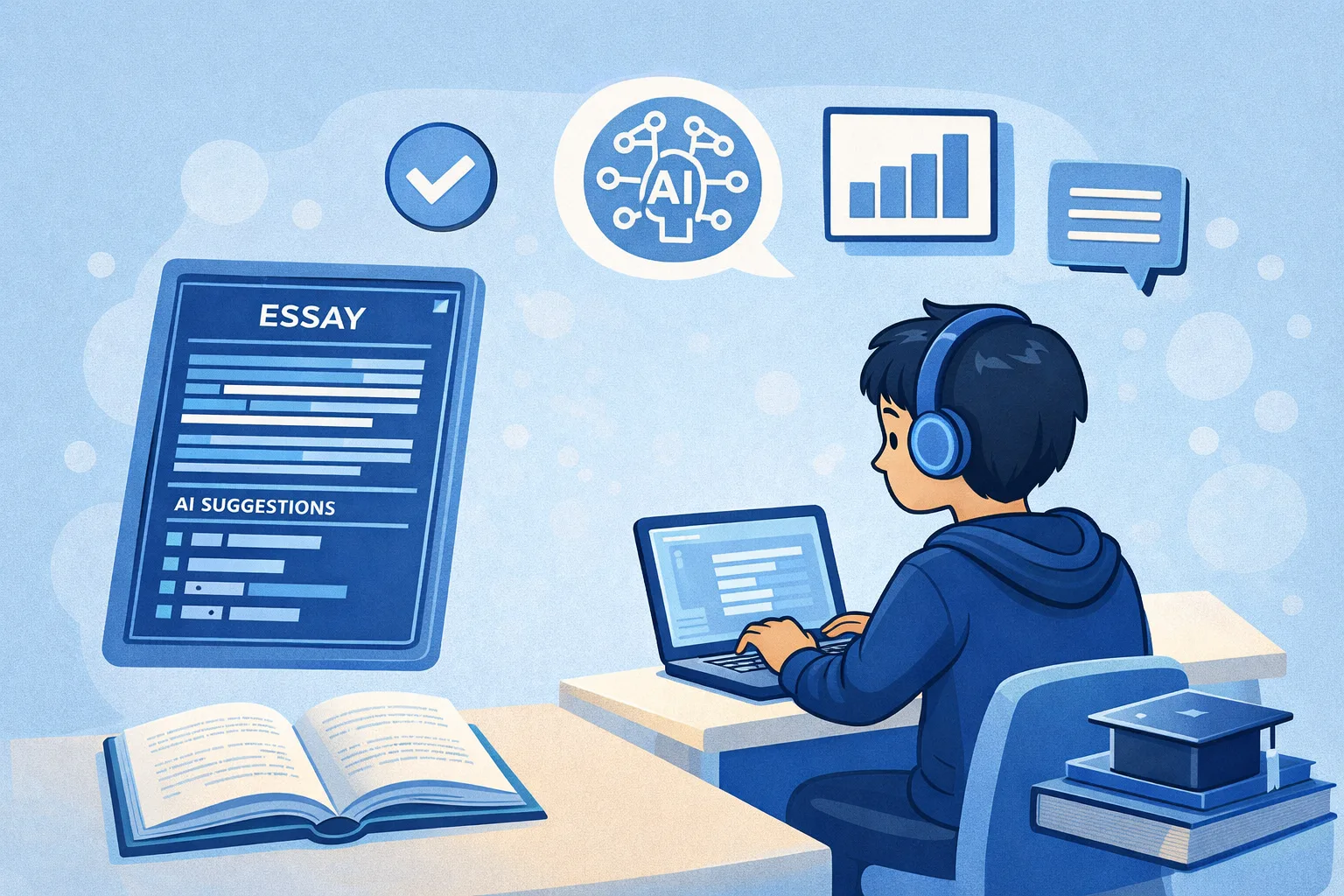
For most teens, AI isn’t some mystical oracle—it’s a utility. A helpful assistant. Students use it to generate essay outlines, clarify complex topics, fix grammar, or summarize dense readings. The goal isn’t to cheat or cut corners; it’s to get unstuck. Whether it’s breaking down a math problem, brainstorming ideas, or interpreting a historical text, AI often functions as a just-in-time tutor that helps them keep moving forward.

Some describe it as a kind of “academic sidekick”—always there, never judging, and happy to explain things twice (or 10 times).

Personalization Through Practice

What’s striking is how students make AI work for them in unique, personal ways. One teen might use an AI chatbot to rephrase science notes into simpler terms. Another might ask it to generate flashcards or quiz questions for Spanish class. Yet another might want to “romanticize” their Google Doc with better formatting or more engaging headings—because when the workspace feels good, the work often follows.

These small acts of personalization don’t just make schoolwork easier—they make it more meaningful.

Mobile-First, Multi-Device Workflows

Today’s teen is a multitasking master, and their tech setup reflects that. Most AI interactions begin on mobile phones—especially iPhones—because that’s where their lives happen. Whether it’s using AI to rewrite a sentence while waiting at practice or asking it to explain a homework question at 10 p.m., the phone is often the first point of contact.

But when it comes time to write, edit, or build something bigger, teens switch to laptops or tablets. This cross-device flow is entirely normal for them. AI is just one of several tools they bounce between.

Still Skeptical—and Thoughtfully So

Contrary to fears about over-reliance, many teens are cautious about how they use AI. They don’t blindly accept every output. In fact, students often fact-check, revise, or use AI responses only as a starting point. For them, AI is a draft buddy, not a final authority.

There’s also a cultural layer at play. Some teens are hesitant to use AI openly because they don’t know how their teachers feel about it. School policies on AI use are still evolving, and that uncertainty shapes how confidently students engage with these tools.

AI Helps Solve Teen-Sized Problems

Beyond academics, AI is helping teens manage common challenges: time management, procrastination, and lack of focus. Some students use AI-powered reminders, timers, or summaries to break big tasks into manageable chunks. Others describe how having an organized digital workspace—especially one that’s aesthetically pleasing—helps them feel calmer and more in control.

These aren’t just features; they’re emotional tools. For teens juggling school, sports, part-time jobs, and social lives, AI can offer structure, reduce stress, and create breathing room.

What AI Should—and Shouldn’t Do

As AI becomes more deeply embedded in student life, it’s important to recognize what teens want from it—and what they don’t.

They want:

• Tools that help them learn, not do the work for them.
• Outputs that are accurate, relevant, and easy to revise.
• Design and workflow features that feel modern, responsive, and respectful of their time.

They don’t want:

• AI that talks down to them.
• Overly complex interfaces.
• Black-box decisions or content they can’t trust.

Looking Ahead

The future of AI in education will depend on how well we listen to young users. Teens don’t need flashy gimmicks or false promises. They need smart, thoughtful tools that respect their autonomy, support their learning, and adapt to how they really work.

If AI is going to play a meaningful role in youth development, it has to do more than just give answers. It has to understand how teens think—and help them do that thinking more clearly, more creatively, and more confidently

By Dan Warren, PhD, Director of Youth Development & Education.

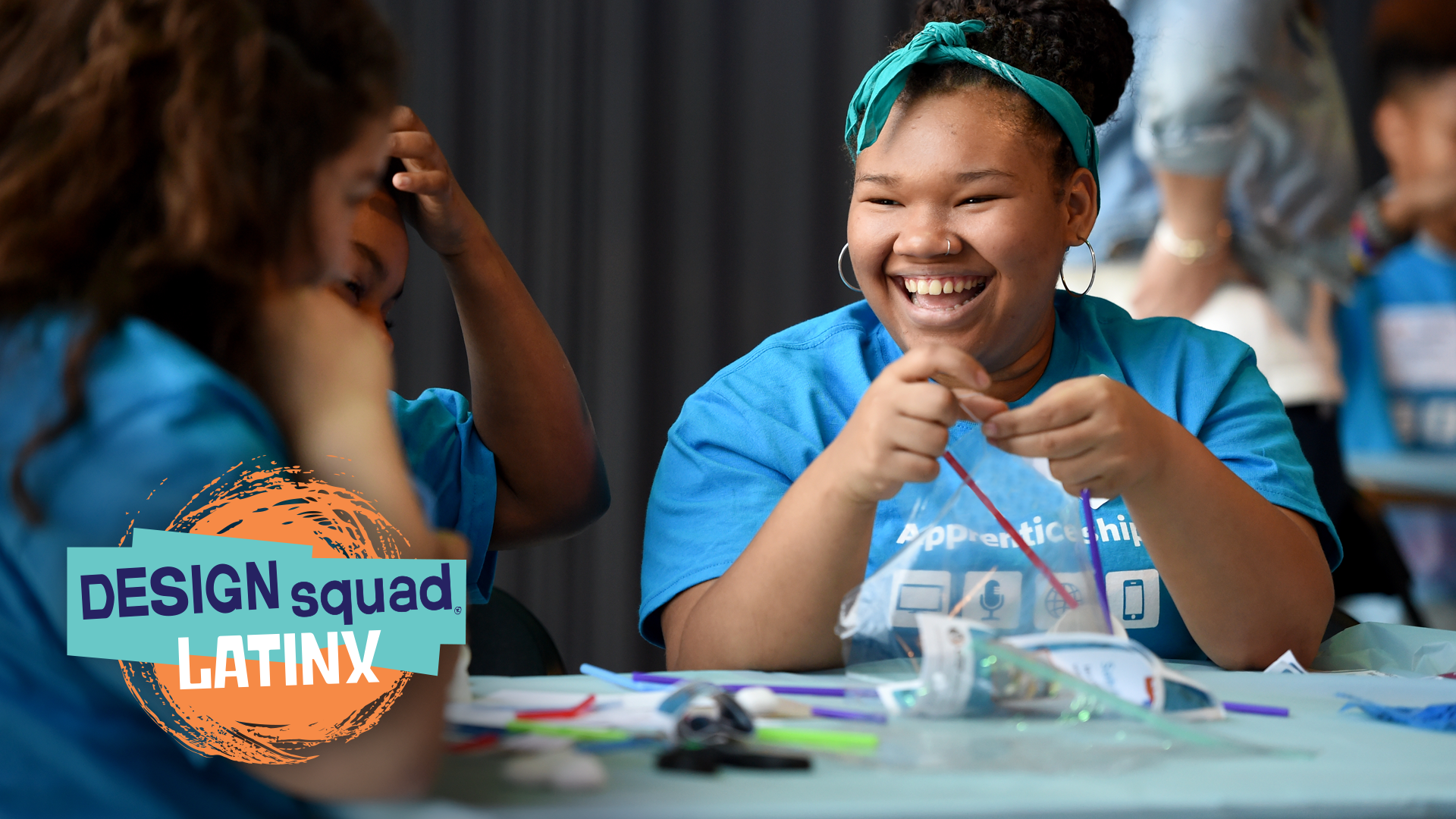
Fluent partnered with GBH to evaluate the impact of Design Squad Latinx (DSL), a hands-on engineering program that helps young Latinx learners see themselves as designers, problem-solvers, and future engineers. Our findings show just how powerful culturally relevant STEM education can be.

The Challenge:

GBH created Design Squad Latinx (DSL) to inspire 3rd–6th grade Latinx youth to explore engineering through hands-on, culturally relevant activities. To understand the program’s impact, GBH partnered with Fluent to evaluate whether DSL was effectively engaging students and supporting educators.

The Solution:

Fluent designed and implemented a comprehensive mixed-methods evaluation to understand how DSL was working on the ground. Our research team combined pre- and post-program surveys, focus groups with youth participants, interviews with program leaders, implementation logs, and club observations. We also collaborated with the DSL team during curriculum development. The result was a robust picture of how DSL was shaping experiences for both students and educators.

The Result:

Our research found that DSL inspires Latinx youth, fostering curiosity and confidence in STEM, and strongly prepares educators to guide students through engineering challenges. Encouraging hands-on exploration, DSL deeply engages students in collaborative and creative activities where they find joy in problem-solving and discovery. Our study also showed that by reinforcing a sense of pride and relevance in STEM education DSL highlights the importance of linking engineering concepts with students’ cultural backgrounds. Ultimately, we found that DSL is successful in transforming how Latinx youth perceive engineering, suggesting that when learning reflects their experiences, they thrive. As one participant shared: “I don’t want to be a YouTuber anymore—I want to be an engineer.”

Charlotte Beatty and I had the pleasure of attending the 2025 Games for Change (G4C) Festival, held on June 26–27 at Parsons School of Design in New York City. The event brought together innovators from the gaming, education, health, and social impact sectors, exploring how games and immersive media can foster collaboration across industries. We had the opportunity to listen to the latest social impact innovations from major gaming companies like Minecraft Education, Roblox, Ubisoft and changemakers in the space, such as Sesame Workshop, Ludic Mind Studios, and the Geena Davis Institute.

At Fluent Research, our work frequently intersects with gaming, EdTech, and media. The festival provided valuable insights into the future of these industries, inspiring us with new perspectives on how games can drive education, mental health, and social change. We’re eager to apply these learnings to our work.

Here are a few key takeaways we would like to share with you:

1. Dispelling Gaming Stereotypes

One of the key themes discussed at the festival was debunking conventional gaming stereotypes. Historically viewed as mere entertainment, gaming is now widely recognized as a powerful educational and therapeutic tool. The Geena Davis Institute, for example, detailed their methodology for identifying and addressing harmful stereotypes within games, particularly in fantasy storylines, through critical evaluation and revision of these harmful tropes.

Ludic Mind Studios also presented findings from a study analyzing the portrayal of mental illness across over 100 video games. This research revealed a prevalence of negative depictions, such as “asylums” being presented as sinister environments or individuals with mental health conditions being characterized as villainous or irredeemable. In response, Ludic Mind Studios developed a game, called “The Road Ahead”, that not only features positive mental health narratives but also equips players with practical strategies for managing their mental wellbeing through gameplay.

2. The Transformative Power of Gaming in EdTech

Gaming is fundamentally reshaping the EdTech landscape by delivering highly interactive learning experiences. Educational games effectively capture student engagement in ways that traditional classroom approaches often cannot, cultivating creativity, critical thinking, and collaborative skills while simultaneously enhancing learning enjoyment.

Consider Minecraft Education, which is now being integrated into school curricula to educate students on sustainability. Educators and librarians shared tremendous successes in leveraging Minecraft Education to engage students. In one example, students devised sustainable solutions within the game based on a real-world lab they conducted. Their work earned competition wins, media recognition, and ultimately led to a presentation at the United Nations. These students are now teaching younger learners how to use Minecraft Education to address real-world sustainability challenges.

Additionally, Roblox has introduced mini-games designed to teach young people about recycling, helping them understand the importance of sustainability in an interactive and fun way. These examples underscore gaming’s capacity to stimulate creativity and critical thinking while addressing critical global issues like environmental conservation.

3. Games as a Catalyst for Social Change

Games are rapidly emerging as powerful tools for addressing societal issues. During a panel discussion, the winners of the Unity 2025 Grant introduced their groundbreaking games and their impact on diverse communities. One developer created a game featuring a 3D animated avatar to teach American Sign Language (ASL) called the Small Talk app, offering an innovative communication learning tool for the hearing impaired. Another game immersed students in a large-scale ocean exploration, teaching them about environmental conservation and sustainability called World Ocean Explorer: A Virtual Immersion. Additionally, a robotics medical simulator was developed to assist disabled individuals with limited mobility in more effectively managing their medical care called RCareWorld was awarded the students grant. 

Ubisoft also presented their recent initiative for Just Dance, which incorporated a song and dance routine intended to represent what it’s like to have ADHD, helping to create a more positive and accurate representation of neurodiversity. This endeavor reflects EA’s broader commitment to inclusivity and raising awareness about mental health.

These projects are just a fraction of how the gaming industry is leveraging its influence to support underserved communities, enhance access to education, and provide improved care and learning opportunities. The potential for gaming to foster positive social change is truly inspiring.

4. Games for Emotional Regulation

Gaming can also serve as a valuable resource for emotional regulation, with some games specifically designed to assist players in managing stress and anxiety and practicing mindfulness techniques. Ludic Mind Studios has integrated therapeutic aspects into their games, emphasizing emotional awareness and resilience. These games not only entertain but also help players develop emotional intelligence and coping strategies, promoting overall mental wellbeing.

A particularly inspiring project highlighted at the festival came from a group of high school students in Los Angeles who developed a groundbreaking game within Roblox during a Hackathon. The game features an advanced AI system that proactively identifies and filters out negative language or speech directed at a player before reaching the recipient. The game also incorporates communal and restorative play principles. Players collaborate to cultivate a garden: positive remarks add to the greenery, while negative language results in reduced points. However, the player who used negative language is given the opportunity to retract their words and make amends. One of the students, who has been playing Roblox since he was 9 years old, shared a sentiment that resonated with the group: “As a young child, I didn’t understand what the words I was being told meant, I just knew it didn’t feel good, and I wanted to prevent that from happening to another child.” This project illustrates how games can foster a positive, supportive environment for emotional growth and empower players to develop healthier interactions both online and in real-world situations.

5. The Indispensability of Research in Game Design

The speakers at G4C underscored research in game design as an absolutely critical element for creating games that are not only enjoyable but also genuinely impactful. Particularly within the EdTech space, game developers often lack direct access to schools and educators, which complicates a full understanding of their unique needs and the optimal ways to tailor games for educational purposes. Research plays a pivotal role in bridging this gap, enabling developers to glean insights directly from educators and students to design more effective and engaging learning experiences. Collaborative efforts among researchers, educators, and game developers ensure that games are not merely entertaining but also fulfill educational objectives and address practical classroom challenges.

The 2025 Games for Change Festival showcased how far the gaming world has evolved and how much further it can go. From advancing inclusive storytelling and mental health support to transforming classrooms and empowering young creators, games are proving themselves to be powerful tools for learning, connection, and social impact. The ideas and projects we encountered reminded us that meaningful innovation happens at the intersection of creativity, empathy, and research. As games continue to push boundaries across industries, they offer exciting new pathways to solve real-world problems and build more connected, thoughtful, and equitable futures.

By User Experience Researcher Natalia Belchikov

On February 11, the world celebrates the International Day of Women and Girls in Science. This day is dedicated to recognizing the achievements of women in STEM (Science, Technology, Engineering, and Mathematics) fields. It is meant to inspire the next generation of girls to pursue scientific careers. Despite progress over the past few decades, women remain underrepresented in many STEM disciplines (i.e., engineering, physics, and computer science). 

For more than a decade, I’ve studied how exposure to STEM can shape the trajectory of a child’s aspirations. Early exposure to STEM and the representation of women in STEM are especially critical to helping girls seem themselves as scientists.

The Problem: Underrepresentation of Women in STEM

The underrepresentation of women in STEM is not just a question of current numbers. It is deeply tied to the ways in which girls perceive STEM fields from a young age. One well-known tool for measuring these perceptions is the “Draw-A-Scientist” test. This research method has been used for decades to analyze how children envision scientists. 

A meta-analysis of children’s drawings found that early elementary school children drew male and female scientists in nearly equal numbers. However, high school students depicted male scientists four times more frequently than female scientists. This trend was even more pronounced among girls. At age six, about 70% of girls drew female scientists, but by age 16, only 25% did (Miller et al., 2018).

When girls don’t see themselves reflected in STEM careers, they are less likely to believe they belong in those fields. This can affect their motivation to pursue advanced coursework in science and math, reducing the likelihood of a STEM career. But research also shows a solution. Early exposure to STEM learning opportunities and female role models can foster a lasting interest in STEM.

The Importance of Early STEM Exposure

Research has consistently demonstrated that early exposure to STEM concepts and experiences can shape children’s long-term academic success and career aspirations (Bustamante et al., 2023). So how can parents, teachers, and mentors help foster a love of STEM in girls? There are several evidence-based strategies that can make a real difference.

1. Build a Better STEM Foundation with Toys and Spatial Talk

Play is a powerful way for children to develop STEM-related skills without even realizing it. Everyday toys and games like blocks, puzzles, and Legos are powerful ways to promote spatial reasoning, critical thinking, and problem solving. Research shows that early spatial reasoning (the ability to mentally manipulate shapes and objects) is a strong predictor of later success in engineering and math.

Importantly, playing with kids rather than having them play alone helps to increase enjoyment and scaffold their learning. For example, adults and kids can try building a tower together and predicting when it will fall over. Then, they can problem solve together to figure out how to prevent it from falling over again. 

Using spatial language (e.g., words like “up” “small” and “flip”) can enhance children’s spatial reasoning skills during play. Studies have found that parents who use more spatial language with their children see improvements in their children’s spatial abilities, especially for girls (Pruden & Levine, 2017).

2. Choose High-quality STEM TV Shows and Games

Representation matters. Media that portrays women and girls as capable scientists can help normalize these roles and inspire young viewers. One notable example is PBS’s SciGirls, a show that follows real girls engaging in STEM, from designing technology to conducting environmental research. Similarly, PBS’s Odd Squad TV series and games introduce children to problem-solving concepts in a fun, detective-style format that spotlights female characters. 

Fluent Research has partnered with similar organizations to conduct research on the impact of exposure to math games on children’s math learning. We have found that such games had a positive impact on foundational math skills. TV shows and games focused on STEM not only promote these important skills, but can challenge stereotypes of girls in STEM fields.

3. Give Girls more Real-World STEM Experiences

Extracurricular STEM programs provide girls with opportunities to explore science and technology outside the classroom. Organizations like Girls Who Code offer free programs that teach girls how to code in supportive, collaborative environments. Similarly, STEM-focused exposure to programs like summer camps and science fairs provide hands-on experience to a variety of STEM concepts that can pique their interest.

Programs that bring scientists and engineers into classrooms can also have a significant impact. Schools and community organizations can invite female professionals to speak about their work as scientists, engineers, and data analysts. When girls meet women in STEM careers, they recognize that success in these fields is both attainable and important.

Supporting the Next Generation of Women in STEM

Supporting the next generation of women in STEM is crucial for expanding the roles women play in these fields. Promoting girls’ interest in STEM is not just about creating opportunities. It’s about challenging stereotypes, providing role models, and fostering environments where girls can build confidence in their abilities. At Fluent, we are dedicated to conducting research that supports children’s engagement with STEM. By supporting these initiatives, we help ensure that the next generation of scientists and leaders in STEM includes more girls.

Written by Kelly Sheehan, Senior User Experience Researcher at Fluent Research


Education shapes our work and how we view the world. In this blog, Fluent Research team members share some important lessons from their school experiences and offer advice for today’s students. Their reflections highlight the power of curiosity, resilience, and embracing new opportunities. Read below to discover how their academic journeys continue to inspire their professional lives.

Charlotte Beatty – User Experience Researcher 

Boston University – B.A. Social Anthropology

Johns Hopkins University – M.B.A. Business Administration

Maryland Institute College of Art – M.A. Design

What are some lessons or experiences from your time in school that have shaped who you are and how you work today?

Studying anthropology was one of the best decisions I ever made as an undergraduate student. The contemporary school of anthropology exists at the intersection of many other disciplines, namely environmentalism, history, psychology and sociology, and provides useful frameworks for understanding and interpreting the world and culture around us. One of my favorite things about the field is how it both honors and builds off of established theory and frameworks, and also embraces the importance of considering new perspectives, iterating, and creating new frameworks in the world of social science.

These days, I am most excited and inspired by the emerging school of ecological anthropology, led by legends like Anna Tsing, Marisol de la Cadena, and other grassroots environmental activists and researchers. Anthropology inherently questions how and why we build the structures that we build, and embraces critique, plurality, and empathetic investigation as essential tools. Anthropology also deeply centers humans and human experiences by using first person experiences, a wide array of narrative analysis, artistic expressions, design, and plural histories to holistically understand experiences and cultural phenomenon. The field’s ability to embrace the range of human experiences and employ multiple ways of looking at a phenomena are essential in my everyday work as a researcher, and remind m to stay open minded, flexible, and curious in my work.

If you could give one piece of advice to students today, what would it be?

Take as many social science classes as you can, and look for ways you can learn outside of the classroom, whether that is through podcasts, movies, activism, community involvement, or artistic practice. Everything is connected!

Allison Caplovitz – Director of Content Research and Evaluation  

Cornell UniversityB.S. in Human Development and Family Sciences

• A semester in Bath, England under the tutelage of Oxford University

The University of Texas at AustinM.A, Ph.D. in Human Development and Family Sciences

What are some lessons or experiences from your time in school that have shaped who you are and how you work today?

In order to gain the most out of work, be organized and strategic so that you don’t get overwhelmed and can retain the most out of the knowledge you are gaining,

If you could give one piece of advice to students today, what would it be?

Find something you are passionate about because when you like something it doesn’t feel like work!

Stefanie Cousins – Vice President of Marketing and Communications 

Middlebury College, Middlebury, VT – B.A. in English and Italian, minor in Art History

Middlebury College, Florence, Italy – Junior Year Abroad

UNC-Chapel Hill Gillings School of Global Public Health – MPH in Program Development and Leadership

What are some lessons or experiences from your time in school that have shaped who you are and how you work today?

In undergrad, I studied English literature, nonfiction creative writing, and Italian. Beyond my classroom experiences on campus, however, I took advantage of so many opportunities to augment the typical four-year college experience. To build upon my interest in writing and film,  I spent the month of January in my sophomore year working for a film company in New York City and I attended the Breadloaf Writers Conference for nonfiction writing the summer after my senior year. To  improve my proficiency in speaking and writing in Italian, I attended an intensive summer language program at Middlebury and studied in Florence, Italy through Middlebury’s program during my junior year.  These experiences expanded my world and transformed my perspective.   

If you could give one piece of advice to students today, what would it be?

Keep an open mind, try new things, and don’t worry so much about grades as much as what you get out of your courses and the relationships you have with professors mentors, and friends.

Mary Meyn – Research Director and Chief of Staff

Binghamton University – B.A. in Philosophy, Politics, and Law

Rutgers University, Bloustein School of Planning and Public Policy – M.A. in Public Affairs and Politics

What are some lessons or experiences from your time in school that have shaped who you are and how you work today?

We have so much to learn from one another. Students and professors in both my undergraduate and graduate programs had a wide range of perspectives. While I was in school, I loved discussing topics with my classmates and looked forward to hearing what they had to say. Now, my work provides me the opportunity to hear the voices and opinions of people around the world on a wide range of topics, whether it’s qualitative or quantitative insights, and I never lose sight of what a gift it is that people share their thoughts and ideas with me.

If you could give one piece of advice to students today, what would it be?

Take a variety of classes and look for the value in them even when they don’t seem directly relevant to your career.

Kelly Sheehan – Senior User Experience Researcher

Providence College – B.A. in Psychology

Northwestern University – M.S., Ph.D. in Cognitive Psychology

What are some lessons or experiences from your time in school that have shaped who you are and how you work today?

In undergrad, I was considering taking a year off before applying to grad school. My undergraduate advisor told me, “If you’re not going to apply this year because you don’t think you’ll get in, then you’re wrong.” She taught me to not doubt myself and to go after what I really want. In graduate school, my advisor would always share this quote with first-year PhD students, “A flower does not think of competing with the flower next to it, it just blooms.” It’s so easy to look at others and feel bad that you’re not doing as well or have not accomplished as much, but we’re all on our own journeys, and success now does not ensure success down the line (or vice versa). All you can do is do your best work and trust in the process!

If you could give one piece of advice to students today, what would it be?

When considering a career or learning area of focus, find something that you not only love but also feel motivated to get better at. You never stop learning, so finding something that you’re inherently interested in will allow continued growth and success down the line!

The recent Common Sense Media report on Generative AI in schools and homes found that Generative AI has rapidly become part of everyday life for teenagers, particularly in education. From helping with schoolwork to sparking interest in future careers, AI is shaping how young people learn and interact with the world.

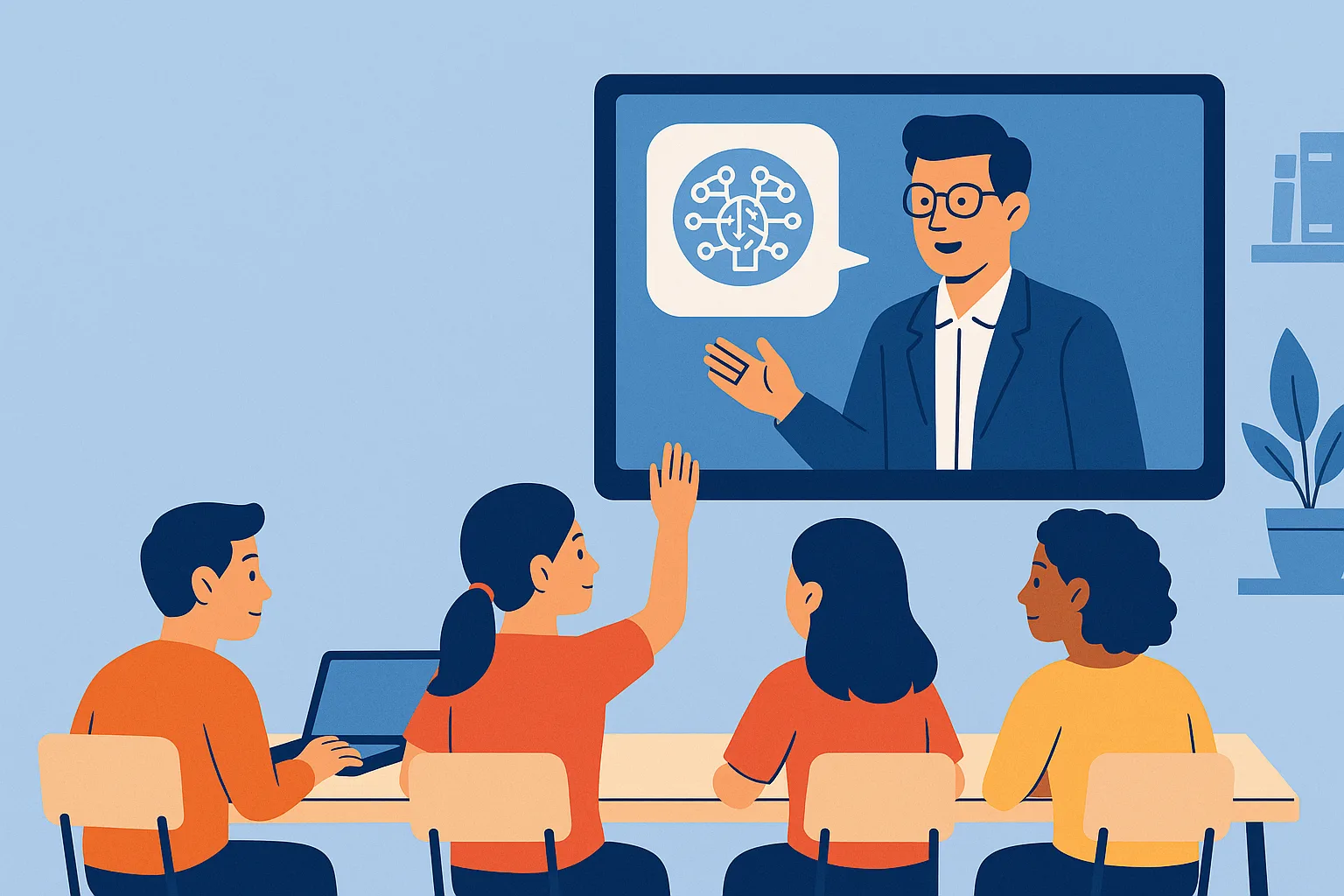
A key concern raised in the report is that many parents are unaware of their children’s use of these tools, which creates a gap in support and guidance as teens explore AI. In addition, the report reveals that many schools lack clear guidelines for AI usage, leaving students to navigate these tools on their own, often without explicit teacher approval. This can lead to confusion about how AI should be used appropriately. It is therefore essential for educators to facilitate discussions about AI in the classroom. When students participate in these conversations, they gain a more nuanced understanding of both the advantages and challenges that AI presents.

But the future of AI in schools goes beyond teaching students how to use it appropriately. AI has the potential to transform education itself, moving away from the traditional model of hours spent sitting in classrooms and listening to lectures. I recently learned of a school that exemplifies this shift: the Alpha School in Austin, TX, which has fully integrated AI into its curriculum. Instead of being confined to traditional classroom methods, students learn core academic subjects using AI tailored to individual needs and learning styles, which leaves more time to explore life skills like financial literacy, public speaking, and problem-solving. These new opportunities allow education to be more dynamic, flexible, and suited to the diverse needs of students.

Generative AI is here to stay. Rather than sweeping it under the rug, parents and educators should embrace the technology, set clear rules, and teach teens how to use it responsibly. Schools need to develop clear AI policies and communicate them to families. Parents must educate themselves on the tools their children are using and have open conversations about how to leverage AI in positive ways.

More importantly, AI presents an opportunity to shift the traditional learning model itself. With AI, schools no longer need to rely on outdated methods of passive learning. Instead, they can create more dynamic, student-centered environments where personalized education and life skills are prioritized. By embracing AI, we can foster a new era of learning—one that not only teaches core subjects more efficiently but also equips students with the critical skills they’ll need to thrive in a rapidly changing world.

By Allison Caplovitz, Director of Content Research and Evaluation