

Research

It’s Media Literacy Week, and this year’s themes are Access, Analyze, Evaluate, Create, and Act. As a researcher studying how children and families interact with media and technology, I see the need for media literacy in nearly every project we work on, so I thought I’d reflect on how each of these themes have shown up in our work.

Access:

How, when, where, and how often people have access to the tools, technology, and digital skills necessary to thrive.

Access to media literacy education is key to all of our work. Too often in the media and technology space people assume that everyone has equal access to the internet or to quality devices. On top of that is the assumption that having technology is the same as understanding and being skilled with technology. Engineers and researchers make this assumption, but parents often make it as well. Remembering that everyone has something to learn as they access and navigate technology and digital spaces—not just parents or technophobes, but kids and early adopters as well—helps to check these assumptions, be more inclusive, and ask good questions in our research.

Analyze:

The process of asking questions about a piece of media in order to identify authorship, credibility, purpose, technique, context, and economics.

Imagine taking everything you read at face value, trusting everything as true and right, and starting that process over again with each new piece of information without weighing it against the first. It sounds like an anxiety-inducing, exhausting existence, one bound to create confusion or a tendency to jump to conclusions as you try to make sense of the world. I’ve seen this firsthand when talking to parents who have teens and tweens with access to the internet. What threats are out there? What controls do you have to protect against them? How can you protect others when you feel helpless yourself? The parents who seem the least harried are the ones who know how to analyze information and who arm their children with the skills to analyze for themselves.

Evaluate:

Drawing one’s own meaning, judgment, and conclusions about media messages based on the information gathered during media access, thoughtful analysis, and self-reflective interpretation.

One key component of recent children’s media research has been the power of co-viewing. One of the benefits is being there to help young children evaluate what is happening and draw connections between what they are seeing and what happens or could happen in their own lives. These evaluation skills go beyond children’s media—the idea of taking those separate pieces of information and drawing one’s own conclusions seems basic but should actually be something everyone considers with each swipe, each article, and when interpreting data.

Create:

Media creation is a form of expression. It encompasses learning how to express ideas through media and communication tools and using that power to create media narratives beyond those that exist in mainstream media.

Creating media is actually at the heart of so much of Fluent’s work. Every time we ask a participant to submit a written response, we have to assume that they have all of the other media literacy tools at their disposal before considering our questions and developing their own unique responses. It’s a skill we often take for granted, but we benefit so much from those who have facility with media creation.

Act:

The culmination of accessing, analyzing, and evaluating media messages.

This one is my favorite because it’s the one we do as researchers and as human beings all the time. Taking in the information around us and making sense of it, to ourselves, to friends and family, to coworkers and vendors, and to participants, is something we do every day. It is a privilege to be able to act on the information we have at our disposal, one that we can do best when we are media literate. This is why it is so important that everyone can analyze, evaluate, and create their own ideas and their own story.

I hope everyone has a wonderful Media Literacy Week!

By Tiffany Salone, Senior Researcher.
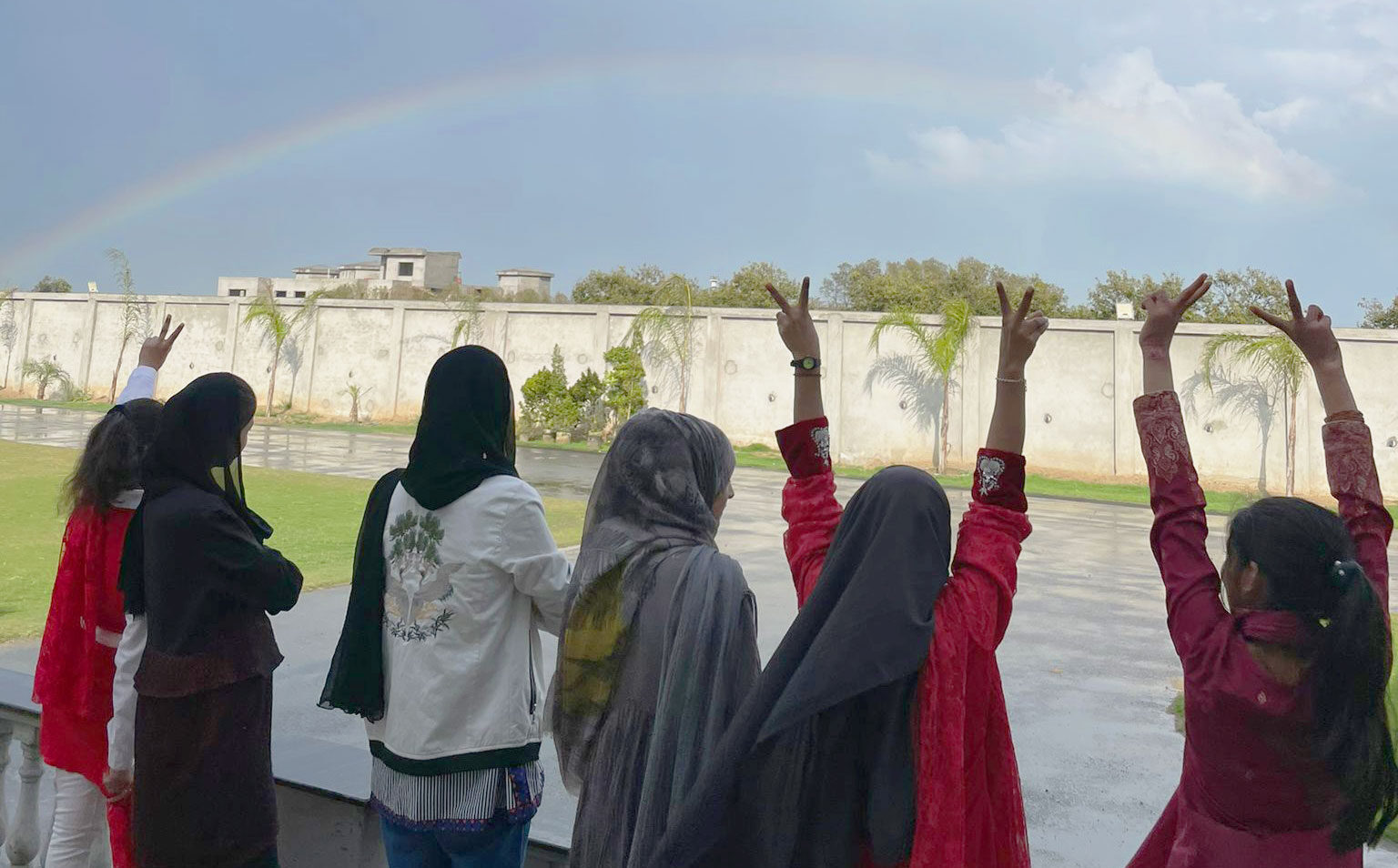
A child’s mind is a ball of curiosity, you may be able to engage them for a minute or an hour tops, but it gets tricky as soon as they find something more interesting. Such is the nature of researching with children. It allows you to gather the most raw information and opinion regarding anything at all. But it may also restrict the amount of depth and detail that can be obtained from their remarks. Similar dilemmas were experienced during my onsite research with pre- to early teenage girls residing in the red light district of Old Lahore, Pakistan as highlighted in my master’s thesis:

“It was the most challenging yet the most rewarding research experience, the most pushing yet the most raw experience. Sometimes they would be moody and low on energy and I would have to build up an extra fun environment. But the thing is I couldn’t be too fun because that would get too lame for them. I had to be the perfect amount of energetic yet sober, fun yet serious, approachable yet distant, and flexible yet organized” (Anwar 2024).

Amidst such circumstances, the question that naturally came to my mind was how to strike that perfect balance in my research that would allow me to gather all the data and create a valuable and fun experience for the participants.

The answer lay in the newly found tool called Research Camp, which I stumbled upon in my LinkedIn feed. Introduced by Dan Warren, PhD, Director, Education and Youth Development at Fluent Research, Research Camp provides an immersive research experience for children away from their regular setting. An opportunity to spend quality time together, talk, react, move, and relate with one another and their surroundings, all while participating in adventurous camp activities.

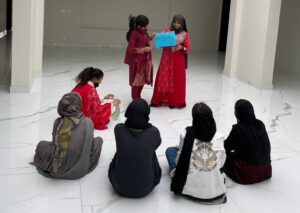
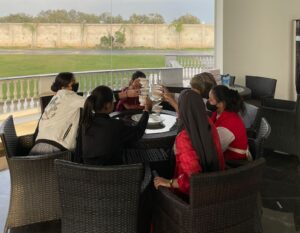
While that sounded amazing on paper, I was reminded of the constraints of my research. I didn’t have the means to book a campsite but did I let that stop me? No. Instead, I replicated the camp feeling at my friend’s farmhouse in Pakistan. The purpose was to take my participants away from their usual setting and provide them with a safe and open space to spend quality time with each other. Like a field trip, they got a chance to enjoy a little break from their routines and immerse themselves in the adventures of a new space. It was all about having fun together. In doing that I uncovered the multiple layers of being that shaped my research and gave me rich insights into their lived experiences, fears, and dreams.
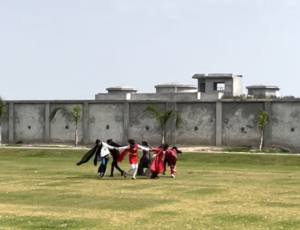
During the camp, I had discussion cues, focus groups, debates, and map-making activities that stimulated conversation about their experiences. In their words, “Everyone’s running here and there, this is how fun participating in research should be like.” Others commented, “Yeah it helps freshen up the mind and you get a fresh perspective on things that is easier to share.” Similarly, another participant reflected, “It’s so boring to sit in one place, instead going to new places makes the research more fun.” Such was the feedback that I got from the two research camps that I conducted.

Not only did the camps allow me to gather new insights into the relationship between one’s being and space, but they also allowed us to talk about feelings and experience vulnerability together. In the end, it was a win-win situation. Where I, as a researcher, gathered my data, and the girls as the participants created memories and moments of fun together.


(P.S.) Here’s some video I captured during the camp: Research Camp in Pakistan

By Tehreem Anwar.

In celebration of World Friendship Day, we asked members of our team to share their favorite collaborative projects. From content marketing campaigns to national surveys and in-depth ethnographies, these projects showcase the power of teamwork and the friendships that drive our success.

Stefanie Cousins – Vice President of Marketing and Communications

The public launch of Research Camp has been my favorite collaborative project at Fluent Research to date. Research Camp allows us and our clients to explore the world through the eyes of children. Using a range of qualitative research methodologies, we aim for deep insights into their thoughts, feelings, and experiences to answer our client’s research questions all in a classic camp environment.

The launch of Research Camp involved a content marketing campaign that distributed articles, images, GIFs, and videos as well as the development of a new page for our website, which serves as a one-stop shop for our stakeholders to learn more.

The development and execution of Research Camp’s public launch was a true team effort. I worked with Heath Cozens, Paige Frankovich, and Dan Warren, as well as our friends at Curious Media, who helped develop and design the webpage.

Mary Meyn– Research Director and Chief Staff

The Kids and Family Reading Report on behalf of Scholastic was my favorite collaborative project. Scholastic is a leader in children’s book publishing and strives to understand children’s preferences in what types of books they’re looking for and the type of content they enjoy.

Scholastic supports not just children in their reading but families as a whole. They want to understand how parents are utilizing books with their children, what support they need to encourage their children to read and enjoy reading, and what role reading plays in American families. Scholastic has tracked parents’ and children’s attitudes toward reading and their reading behavior with a biannual national survey since 2010. Scholastic engaged Fluent Research to continue this tracking study in 2023 with a survey of parents of children ages 0-17 and children ages 6-17.

Dana Markow and I worked closely on this project over the course of more than a year. While the study in and of itself is important and compelling, working with Dana on this project also provided us with opportunities to discuss our favorite childhood books, to reflect on what reading means to us as adults as well as its importance in our respective childhoods. In addition, Dana and I connected about the next generation of readers in our families, including their favorite books, and their reading struggles and triumphs.

Kelly Sheehan– Senior User Experience Researcher

I recently worked on a research project that involved interviewing coworker dyads about their work culture and meetings. It was super fun collaborating with my Fluent colleagues to brainstorm creative approaches to having the dyads interact and answer questions. We asked them to complete a brainstorming exercise together using a collaborative white-boarding tool called Miro. It was interesting to not only design this research but also observe coworkers’ relationships in real-time and hear how they describe their work rapport.

I worked with Farrah Brensinger and Sofia Polo on this project. Farrah and Sofia are excellent collaborative partners, bringing lots of attention to detail, creative ideas, and levity to our work. I felt like we all connected really well and respected each other’s ideas, which helped us land on a creative and well-thought-out approach. I’m so grateful to work with these two amazing researchers and to continue to learn from them!

Dan Warren– Director, Youth Development & Education

I worked on a week-long ethnography project where we tried to capture what it was like to be a kid in school these days. I collaborated with Heath Cozens, our Film Director. The project was special for two reasons. First, I love being in schools and immersing myself in the world of kids. Second, it was amazing to learn about the process of shooting films and how those techniques could improve my skills as a researcher.

When I think about what draws me most to research, I think about how it illuminates human nature. UX research brings a sense of humanity back into products and concepts that may have only existed as incubating ideas within a product development team. It can be a grounding force that adds a human sensibility to the conversation around how to design an app or build an online space. It reminds us of what everyday, lived experiences look like for people like you and I, and the importance of considering them in the design process.

In the fast-paced world of tech and UX, researchers and designers often need to find clear patterns of human identity development and behavior, quickly. But as much of our team at Fluent can tell you, sometimes the most interesting findings and data can emerge from bizarre, unique, outlier instances. When we approach data with curiosity and don’t impose patterns or internalized bias on our findings, we can discover new findings that take our work to a deeper level and usher in innovation.

Discovering novelty in the unique always makes me think of queer theory. In my anthropological studies, like many other young social scientists, I was enamored with theorists like Judith Butler, Eve Sedgwick, and Audre Lorde, who all offered up new ways of understanding identity. Queer theory and queer frameworks lend themselves to thinking about the world and identity-making in new ways, and remind us that we should push back on and think beyond reductive binaries. This is not to say that creating categories and labels is wholly bad. In fact, as UX researchers, it is often our job to create categories, personas, and labels out of raw data that our clients and partners can use to inform their work.

But as I reflect on queerness this June, I am once again thinking about having consideration for the outlier. Fluent often works with children and teens, and it is worthwhile to consider that Gen Z currently has the largest ratio of LGBTQ+ individuals in comparison to older generations, a trend that is expected to continue. What does this mean for our work as researchers?

It means that we need to pay extra close attention to the unique, the novel and the outliers. Beyond buzzwords and news clickbait, there is a significant shift occurring in how younger individuals consider their identity, especially when it comes to gender and sexuality. There have been discussions in research circles, for example, about Gen Z’s rejection of labels. We see this mirrored in Gen Z culture – public figures like Billie Eilish, Joshua Bassett, Ice Spice, and Phoebe Bridgers exist as queer individuals with little to no fanfare about waving a specific label or placing themselves in a certain category.  This differs from older generations of LGBTQ+ individuals, who grew up in an entirely different cultural landscape of labeling, self-disclosure, and the intentions and consequences tied to both.

It seems to me that every Pride month, the etymology of what’s in a label always comes up in community discussions. As a researcher and a queer person, it always feels like an ironic intersection of my personal and professional life.

In research circles, making research more inclusive is a topic that is being explored more and more every day. While this can include concrete steps, like changing the options for identity identification on a survey, I think it also needs to include ideological exploration. In other words: as a qualitative researcher, classically, I think we need to try and understand the WHY just as much as we are observing the WHAT. And as we look to emerging populations like Gen Z and Gen Alpha, I encourage the research community to table bias and prior knowledge, and pay extra close attention to what may exist outside of the categories, ideologies, and binaries we may be imposing on our participants, and on our findings.

By Charlotte Beatty, User Experience Researcher

Family wellbeing is a guiding pillar of our work at Fluent. It guided our work with Google on the Digital Wellbeing of Families, our research for the Jed Foundation on Mental Health, and our award-winning documentary series, “Family Strong”. Most recently, family wellbeing guided us to a new and exciting collaboration with a kindred spirit, Kinsome.

A member of AARP’s AgeTech Collaborative™, Kinsome has the audacious but, we believe, achievable goal of leveraging technology to strengthen family relationships across generations. Their heart-centered technology is a creative and concrete response to the U.S. Surgeon General’s 2023 alarm bell, signaling an epidemic of social isolation and loneliness. Isolation and loneliness fundamentally affect mental and physical health, which have been deteriorating in the U.S. and abroad for some time, even prior to the Covid-19 pandemic. An increasing number of young people report feelings of persistent sadness and hopelessness, and anxiety and depression are widespread for all age groups.

Well families are the wellspring of human health and optimal development. And at the heart of family wellbeing are strong and vibrant relationships, from the beginning of life through the end of life. Those relationships are not a “nice to have”. Human health and optimal development across the lifespan are completely dependent on them. Early in life, development is so rapid that our species evolved a “village of stable care” to meet the abundant needs of infants and children for comfort, affection, and play. Multiple responsive caregivers, such as grandparents, were readily on-hand for guidance and mentoring. While our village of care obviously benefited young life, it was just as vital to the wellbeing of older life. For humans of all ages need strong—welcoming, responsive, and supportive—relationships.

Human connection—the essential mechanism for strengthening family wellbeing—is the focus of Kinsome’s mission and AI-powered app. Today families are spread out across time and space. They have competing demands and call different places and time zones home, making strong and vibrant family relationships immensely difficult to maintain. Kinsome envisioned a technology with the power to help families transcend time and space, reduce the challenges of distance in the grandparent-grandchild bond, and strengthen human connection across generations.

All of us at Fluent are thrilled to be partnering with Kinsome and their deeply creative and caring founders, Eben Pingree and Mike Gerbush. We launched our collaboration in earnest this past February with a couple fun and productive sessions at Research Camp. Campers took a break from the woods to form design teams and create ways for kids and grandparents to stay close when they are not together. Through the lens of children, we got to examine intergenerational bonds and how best to strengthen them. The sessions were as much affirming of Kinsome’s vision as they were informative about how to dial-in the child’s experience so that every shared story and laugh brings them closer to their grandparents. We are grateful and excited to be on this journey with Kinsome, strengthening human connection and family wellbeing through heart-centered tech.

By Amy Warren, Senior Child Development Researcher

References:

U.S. Department of Health and Human Services (2023). New Surgeon General Advisory Raises Alarm about the Devastating Impact of the Epidemic of Loneliness and Isolation in the United States.

National Research Council (2013). U.S. Health in International Perspective: Shorter Lives, Poorer Health. Washington, DC: The National Academies Press.

Organization for Economic Cooperation and Development (2009). Doing better for children. Paris: OECD Publishing.

UNICEF (2007). Child poverty in perspective: An overview of child well-being in rich countries, a comprehensive assessment of the lives and well-being of children and adolescents in the economically advanced nations, Report Card 7. Florence, Italy: United Nations Children’s Fund Innocenti Research Centre.

See Global Wellness Institute for an array of Happiness and Wellbeing Indices.

Centers for Disease Control and Prevention (2023). Youth Risk Behavior Survey: Data Summary and Trends Report, 2011-2021.

U.S. Department of Health and Human Services Substance Abuse and Mental Health Services Administration (1999). Mental health: A report of the Surgeon General. Rockville, MD: Center for Mental Health Services, National Institutes of Health, National Institute of Mental Health.

See Narvaez, D., & Bradshaw, G.A. (2023). The Evolved nest: Nature’s Way Of Raising Children And Creating Connected Communities. North Atlantic Books.

Narvaez, D., Valentino, K., Fuentes, A., McKenna, J. J., & Gray, P. (Eds.). (2014). Ancestral landscapes in human evolution: Culture, childrearing and social wellbeing. Oxford University Press.

Hrdy, S. B. (2001). Mothers and others. Natural History, 110(4), 50-62.

Hrdy, S. B. (2015). Allomothers across species, across cultures, and through time.

Narvaez, D. (2014). Neurobiology and the Development of Human Morality: Evolution, Culture and Wisdom. Norton Professional Books.

Narvaez, D. (2022). Allomothers: We were never meant to mother alone. Kindred Media.

Narvaez, D. (2019). What Wise Elders Know. Psychology Today.

Meehan, C.L. (2014). Allomothers and Child Well-Being. In A. Ben-Arieh, F. Casas, I. Frønes, & J. Korbin (Eds.), Handbook of Child Well-Being. Springer, Dordrecht.


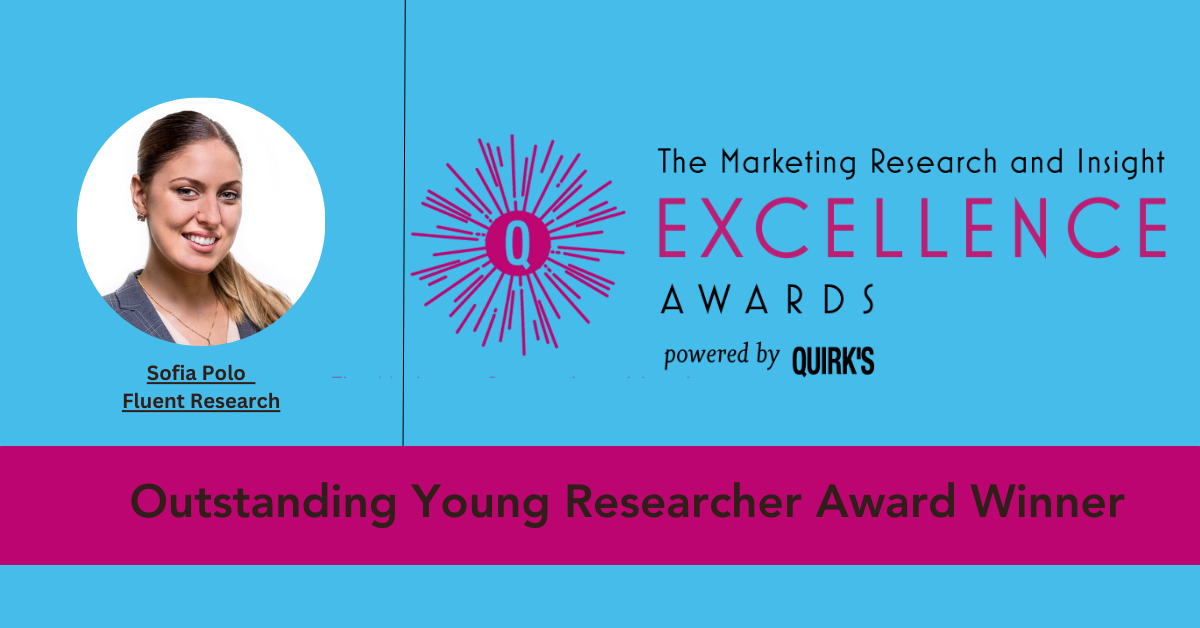
Fluent Research is proud to announce that Sofia Polo, our Director of Research Strategy, has been honored with the Outstanding Young Researcher Award at the 2023 Marketing Research and Insight Excellence Awards. This prestigious award, powered by Quirk’s Media, is presented to an individual 30 years of age or younger who has made significant contributions to the marketing research and insight industry.

At Fluent Research, we have always known that Sofia Polo is a force to be reckoned with in the field of marketing research. Her attentiveness to clients, skill in fostering a comfortable and open interview environment, dedication to excellence, and insightful analyses have propelled our projects to new heights.

Sofia oversees a wide range of global research studies, informing the development of products and programs that benefit children, youth, and families. Sofia has a strong interest in leveraging research to promote education, health and mental health of children, youth and families. A native Spanish speaker, she has worked tirelessly in engaging to engage Latino communities in health research initiatives.

The Marketing Research and Insight Excellence Awards, celebrated this year on November 14 in a virtual ceremony, recognize the outstanding achievements of individuals and teams in the industry​​. These awards shine a spotlight on those adding value and impact to marketing research, and we are thrilled that Sofia has been recognized among her peers for her exceptional work.

Upon receiving the award, Sofia expressed her gratitude: “I am deeply honored to receive this recognition and deeply appreciate the support and collaboration of the entire Fluent team. This award fuels my commitment to continue pushing the boundaries of what we can achieve in market research.”

Fluent is committed to fostering up-and-coming talent and innovation in marketing research. We extend our heartfelt congratulations to Sofia and look forward to her continued contributions to our industry and beyond.

It’s Boston, January 2021, and I am standing in the middle of an empty schoolyard, with an audio recorder strapped to my belly. I’m holding a long boom pole with a big fluffy microphone, and my face just lost the ability to convey expression. It is, as we locals say, “wicked cold”.

My colleague, Fluent’s Director of Productions Heath Cozens, is pointing his camera at a focus mark on the ground, messing around with various buttons, knobs, and attachments. What we both know is that a slew of kids are about to come outside and, since they can’t stay out long due to the dangerous cold, and we have limited time to film them, there’s no room for mistakes with this shot.

Snow starts to fall, the wind picks up, and I raise my pole and call out to the gymnasium door for our first kid. Without hesitation, a seven-year-old girl runs up to her mark, displays her painting to the camera, says her name and age, and bolts back inside to comfort.

Personally, I love the cold, and I’m always happy to step out of my comfort zone. In this case, I’m working with a seasoned professional director, capturing some closing visuals for a documentary film, kicking off a professional collaboration and friendship that’s not only expanded my skillset but also given me an entirely new perspective on the world of data gathering, analysis, and reporting.

One of the truly unique aspects of Fluent and the vision of the President and founder, Nellie Gregorian, has been the way that video is used as a storytelling device to bring research to life and create the opportunity for deep connection with the people that we study. Initially, I regarded this approach as creative embellishment. Really cool stuff, but it was an add-on to the “real” research that it was being connected to. As I delved deeper and had the privilege of collaborating with our Director of Productions, Heath Cozens, I came to understand that it was far more than mere aesthetic flourish.

What struck me was the uncanny parallel between Heath’s documentary creation process and the research work I was familiar with. He meticulously compiled questions and goals, collected data, analyzed those data, and then wove a compelling narrative grounded in the data. This process felt very familiar, connecting easily to my training as a researcher.

What was new to me, or at least underdeveloped in me, was the artistry of his process. At each stage of production, Heath was unwavering in his pursuit of aesthetic excellence and in ensuring that the stakeholder’s experience was nothing short of exquisite. He would patiently wait for the perfect conditions, fine-tune lighting incessantly, and bear the physical strain of holding a camera up for what seemed like an eternity, all in the name of capturing an enlightening conversation between two eight-year-olds on a chilly January day. In the realm of academia, where I trained to be a researcher, scientific rigor was the sole beacon.

But Heath taught me that we need not sacrifice the artistry of our work for the sake of scientific rigor. This shift in perspective has breathed new life into my work and offers valuable insights for all researchers:

1) Always stand poised to seize a moment and be prepared to immerse yourself in it, however long it may take.

2) Ensure you do not overshadow the voice of the participant; their narrative should shine unhindered.

3) Recognize that every facet of the process holds significance, and each step should be executed with meticulous care and artistic flair.

4) And, at the very least, stay out of the shot!

As I continue to work with Heath, I look for new ways to learn from him and think not only about how we can incorporate more video into our reporting but also about how his methods can help our whole Fluent team see things through a different lens.

By Dan Warren, Director of Youth Development & Education. 

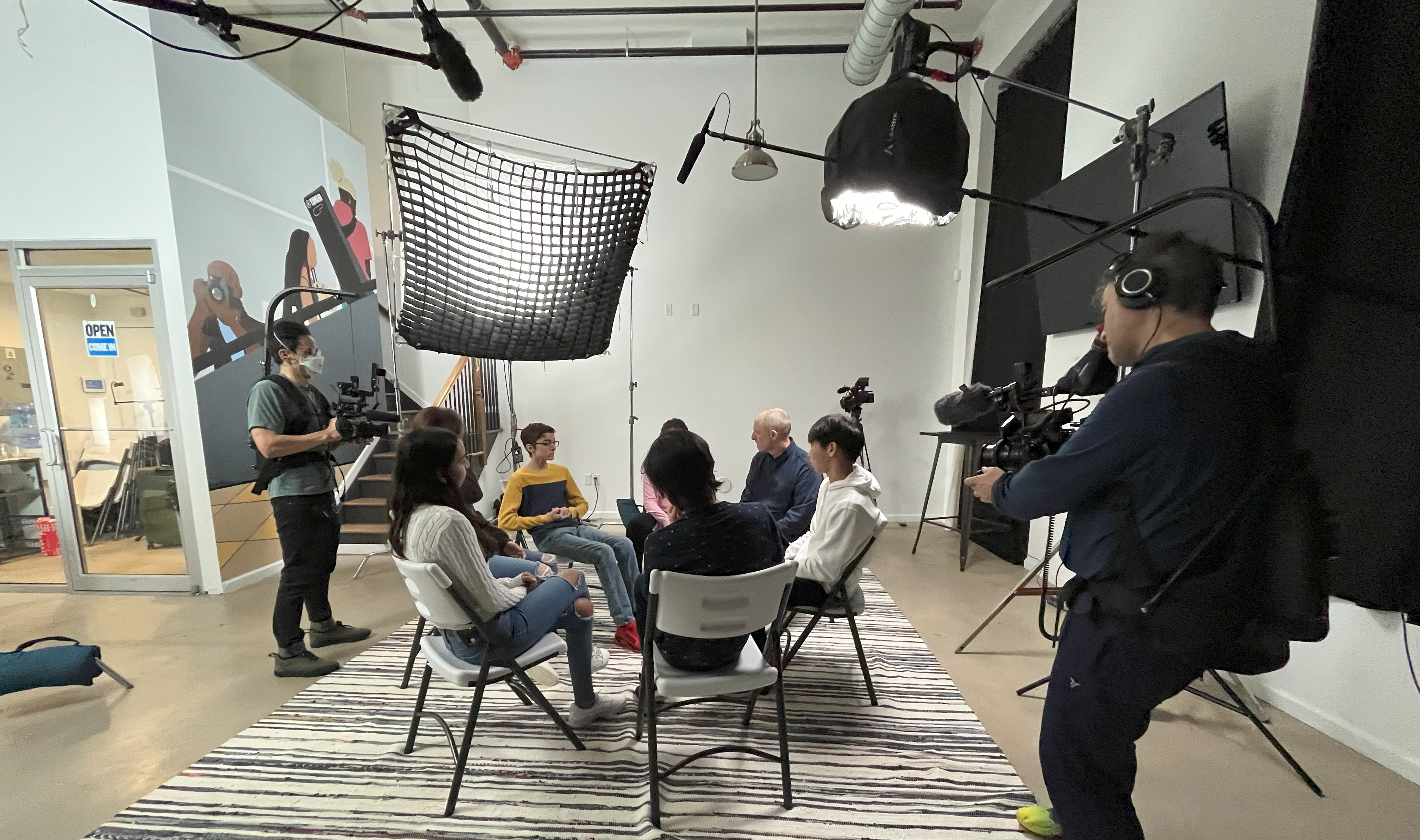
Image: Cinematographer Michael Werner (left) and director Heath Cozens (right) film a discussion led by Dan Warren (center).

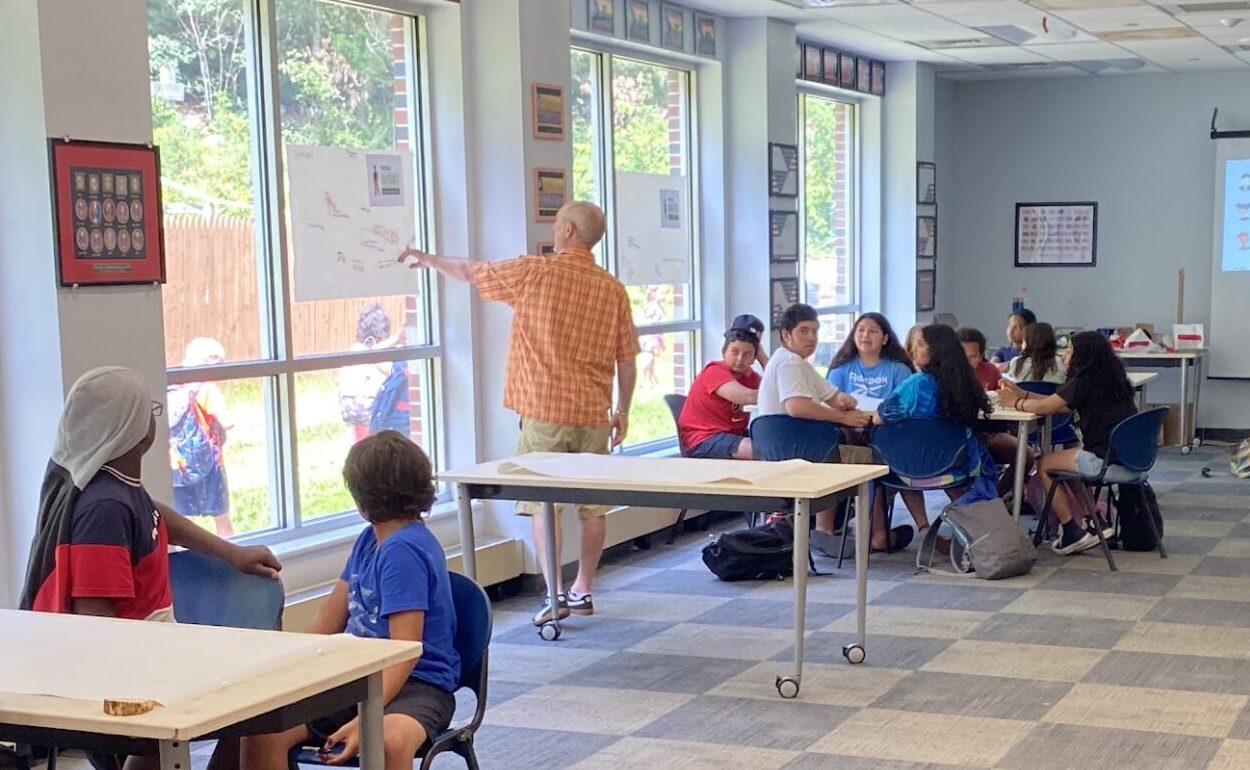
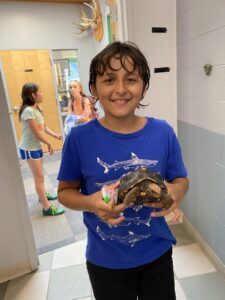
Research Camp is an immersive experience for both youth and clients. For the kids, it involves engaging in a full schedule of camp activities and participating in research for a brief period each day. Clients have the opportunity to witness children grapple with their research or design questions in real life while also interacting with them informally. What makes this experience unique is that we conduct the research in a fun and engaging environment: Camp. Research Camps take place in cities across the US at established camps that hold sessions during school vacations and in the summer. The incentive for youth participation is a week of the camp’s tuition at a significantly reduced price.

At Research Camp, we explore the world through the eyes of children. Using a range of qualitative research methodologies, we aim for deep insights into their thoughts, feelings, and experiences to answer our client’s research questions. Over the past few weeks, we’ve published articles about how Research Camp came about and how we found our first participants. In this article, we’ll focus on how we leverage a convenience sample and five qualitative research methodologies to understand and enhance the lives of children.

Convenience Sampling – A Quick Entry Point

Research Camp relies heavily on a convenience sampling. A convenience sample is just that, convenient, because participants are selected based on ease of recruitment over randomness. It is particularly helpful when conducting exploratory or formative research because it allows us to gather data quickly from children who are either attending the camp or already interested in going. Convenience sampling tends to be time efficient and cost effective compared to other sampling methodologies, making it a great choice when appropriate.
Convenience sampling, however, comes with its limitations. Since participants aren’t randomly selected, the sample may not accurately represent the broader population, thus limiting the external validity of the research. Additionally, the absence of randomness in the selection process makes reliable estimation of sampling error problematic and, therefore, precise statistical inferences and hypothesis testing doesn’t really work. For our purposes, the convenience sample is perfect, but researchers must be aware of the drawbacks when designing and interpreting convenience sample-based studies.

Qualitative Research Methodologies We Use with Kids at Camp

Because children have unique perspectives and experiences that may not always be adequately captured by utilizing one research solution, we use five different qualitative research methodologies at Research Camp. These methodologies were chosen to generate rich data to help us explore nuanced responses, emotions, and stories that go beyond data from surveys or questionnaires to provide a more holistic view of children’s experiences and opinions.

1. Focus Groups – Exploring Children’s Perspectives

One of the primary qualitative methodologies we use is focus groups. In a focus group a skilled moderator guides a small group of children through discussions on specific topics. This methodology offers several advantages:

        • Careful Participant Selection: We ensure that the children in our focus groups are uniquely positioned to provide valuable insights into the topic under investigation.
        • Experienced Moderation: Our moderators have backgrounds in child psychology or education, creating a safe environment for children to express themselves.
        • Age-Appropriate Sessions: Recognizing children’s shorter attention spans, our focus group sessions typically last 45 minutes to an hour and may involve engaging activities like games or storytelling.


2. In-Depth Interviews – A Personal Connection
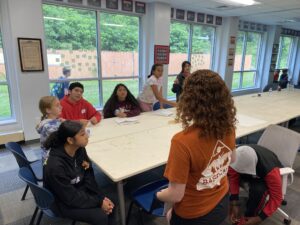
In-depth interviews (IDIs) with children are another valuable qualitative methodology we use during Research Camp. These semi-structured interviews facilitate detailed discussions with children on a wide range of topics. Conducting in-depth interviews with kids provides two benefits to the research process:

        • A Child-Centric Approach: In-depth interviews allow us to adapt questions to the child’s developmental stage and cognitive abilities, ensuring age-appropriate interactions.
        • Building Trust: Conducted in a one-on-one, non-threatening environment, these interviews often lead to stronger connections between children and researchers, fostering more honest and open responses compared to focus groups.


3. Child Ethnography – Immersed in Their World

Child ethnography, a specialized form of ethnographic research, plays a crucial role in Research Camp. This qualitative methodology involves immersive, long-term fieldwork to study the lives of children within their cultural and social contexts. We do this both on-site at the camp as well as in the homes of some of the campers outside of the camp hours. Child ethnography is invaluable because it provides:

        • Deep Insights: Child ethnography provides a holistic understanding of children’s daily lives, experiences, and perspectives by allowing the researchers to see things play out over a longer period in a more natural environment.
        • Cultural Context: Ethnographies can help researchers explore how cultural norms, values, and practices shape children’s experiences and development, offering insights into their socialization.


4. Observations – Becoming part of the scene

Nothing has been more effective than getting into the thick of it with kids. By interacting with youth through observations and immersion during Research Camp, researchers spend time with children, observe their interactions, and engage in informal conversations. Observations have some specific benefits:

        • Immersive Insights: Observations and immersion provide authentic insights into children’s lives by creating the opportunity to see kids over a longer and less contrived period of time.
        • “Quantity” time: By creating a wider timeframe to observe kids, we increase the possibility of kids becoming more comfortable and, therefore, authentic. It also makes the space for other unintended insights that can provide some of the most profound breakthroughs.


5. Co-Creation Sessions – Collaborating with Children
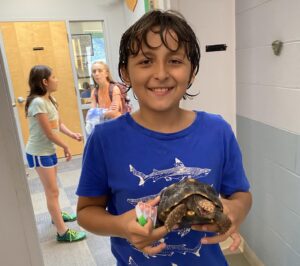
Co-creation sessions, when children are invited into the process of the design, development, or improvement of products or services, are an amazing and inspiring experience. Often, researchers and designers get stuck in a certain adult-centric way of thinking and need to enlist the help of kids to create alongside them. Co-creation is great because it provides:

        • Fresh Perspectives: Children offer fresh, imaginative, and innovative viewpoints that can lead to creative solutions.
        • User-Centric Solutions: Co-creation ensures that products or services are tailored to children’s needs and preferences, enhancing customer satisfaction.


Research Camp employs a range of qualitative research methodologies to unlock the unique perspectives and experiences of children. From focus groups and in-depth interviews to child ethnography, observations, and co-creation sessions, these methodologies help us understand, empower, and advocate for children in a world that often, intentionally or not, misinterprets or tunes out their critical voices.

By Dan Warren, Director, Youth Development & Education

Picture this: a charming summer camp tucked away in the woods on the outskirts of Boston. Hundreds of children are splashing in the pool, hiking through the trees, and playing on the ropes course. A select group will not only partake in typical camp activities over the next two weeks, but they will also share their thoughts and feelings with researchers on a wide range of topics, including mobile devices, media content, and wearable tech.
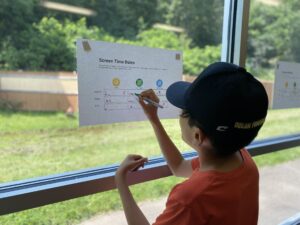
Our Fluent Research team recently took an unexpected path to this magical place. Fueled by the need to find Latinx children to test out a new curriculum for GBH, the Boston-based PBS affiliate, we scouted for and recruited 10-13-year old children in their communities. As our team began building relationships with them and their families, a novel idea soon transformed our methodology. In lieu of a typical monetary incentive, we would offer each child a scholarship for a two-week immersive day camp experience filled with adventure. Amidst the laughter, splashes, and camaraderie of swimming, hiking, archery, and crafts, our young participants would share their insights and reflections on the GBH curriculum and beyond. This is how Research Camp was born.
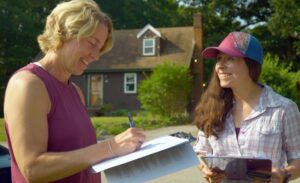
In partnership with New England Base Camp, we had arranged for the children we recruited to attend the day camp for two weeks. When they were not participating in camp activities, they would take part in research-related activities, including activity sessions, dyads, and focus groups. During these sessions, representatives from GBH and other companies had the opportunity to interact one-on-one with the children, ask probing questions, observe focus groups and interviews, and even spend time participating in camp activities themselves. Simultaneously, Director of Productions Heath Cozens and Associate Producer Paige Frankovich of Fluent Productions were filming campers’ day-to-day activities, interviewing them, teaching them how to interview each other, and gaining real-time insights during spontaneous debrief sessions. Heath connected with one camper’s family and arranged a “deep dive” interview with the child and family in their home – a documentary style he recently described in his blog.
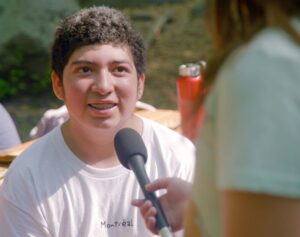
Research Camp fostered an immersive research environment for our clients that provided them with a front row seat for focus groups, activity sessions, and in-depth interviews. But what’s more—our clients could engage in the kid world of summer camp! They had the opportunity to spend time with kids during research activities, ask them questions, get a feel for how kids talk with one another, how they move and relate, and what they are interested in. A far cry from the one-way mirror, our clients had the opportunity to “hop in” and ask questions, set up impromptu interviews, sit down with insightful participants, debrief with us in person, and open themselves to breakthrough insights—all things best supported by a live, dynamic, open-ended, and immersive research environment.

What started as a pragmatic choice has blossomed into an enriching research model, poised to reshape how we think about client and participant engagement. With the addition of Research Camp to our toolbox, Fluent can now offer clients a new kind of research methodology, one that blends innovation and exploration for meaningful insights and endless opportunities. Stay tuned for announcements about specific dates and locations for future Research Camps during school breaks in Boston, MA and Los Angeles, CA. See you there!

By Stefanie Cousins

As a quantitative researcher and a current joint major in economics and math, we have been encouraged to see the increased emphasis on motivating girls and women to pursue STEM activities and educational opportunities in recent years. We were inspired to spotlight STEM opportunities for women in college in light of a Forbes article we read by the CEO of Vector Laboratories Dr. Lisa Sellers that focuses on what companies can do to motivate women to pursue STEM careers.

Dr. Sellers offers insightful strategies for out-of-school organizations, companies, and secondary schools to encourage young women to pursue STEM and how to make it more inclusive of all genders. Since women who are entering college or already matriculating may not have had these opportunities, we wondered how colleges and universities might inspire women to pursue STEM majors and careers.

From Fluent’s perspective there is one obvious first step, and that is to conduct research to better understand women’s experiences, needs, opinions, and perceptions of STEM. Below we suggest ideas for research as well as steps that institutions might take to welcome more women into STEM majors and related careers:

Ask women what they need

Qualitative, quantitative, or a mix of both research methods can help uncover insights into women’s attitudes and perceptions of STEM majors. Focus groups of women in college who have chosen STEM majors would provide an understanding of why they chose that major, what has helped them succeed, and what else would support them in pursuit of their degree and opportunities after graduation. Focus groups with students who have not yet declared a major may provide insight into the barriers that exist for women pursuing a STEM major or career. Additionally, colleges and universities may want to survey current and prospective students to understand how they perceive STEM majors and the barriers in pursuing them. With this understanding, institutions of higher education can make adjustments to help encourage more women to pursue STEM.

Invite women to join

Sometimes all someone needs is an invitation to join. It’s a lot easier to join a group when you’re invited – that signals to someone that they are welcome! Colleges and universities can offer information sessions about various majors, including STEM majors, and invite women to attend or host women-only events specific to STEM.  

Encourage women to try something new

Colleges and universities should remind students that college is a great opportunity to try something new. Yes, some students in Intro to Computer Science may have already taken AP Computer Science in high school or attended coding camp. However introductory classes are designed to teach everything you need to be successful in that class. Emphasizing that no prior knowledge is needed to take an introductory class in course descriptions, syllabi, and professor communications can help encourage those students who have less experience with STEM subject matter to feel comfortable taking a chance on a class that is outside of their comfort zone.

Provide women with mentorship

Female role models are essential for other women to hear stories of personal experiences that help them envision a path forward for themselves. There are many opportunities to provide role models in a higher education setting: 1) Encourage women to be teaching assistants in STEM classes. 2) Provide opportunities for recent graduates in STEM majors to speak about their college and first job experiences. 3) Invite women in management and leadership positions to speak openly about their own paths and provide guidance for those just starting out.

At Fluent, our experience with colleges and universities, clients in the education sector, and young adult populations has shown us time and again the value of research. Clients have the opportunity to directly impact students’ educational experiences and outcomes by testing and improving materials and offerings with their target audience. Similarly, research also provides them with an understanding of their brand equity, what drives it, and benchmarks that help to improve their standing. On a more personal note, we have both benefited from some of the ideas suggested above. We are particularly grateful for the strong mentorship we’ve received from professors, managers, and co-workers. Moreover, the invitations to join a group or try something new have opened doors for us. We believe these opportunities have been instrumental in our education and growth, and look forward to hearing new ideas to encourage  women to choose STEM education and careers.


By Mary Meyn and Halley Robbins