
16 Apr Beyond the Focus Group: The Origins of Research Camp
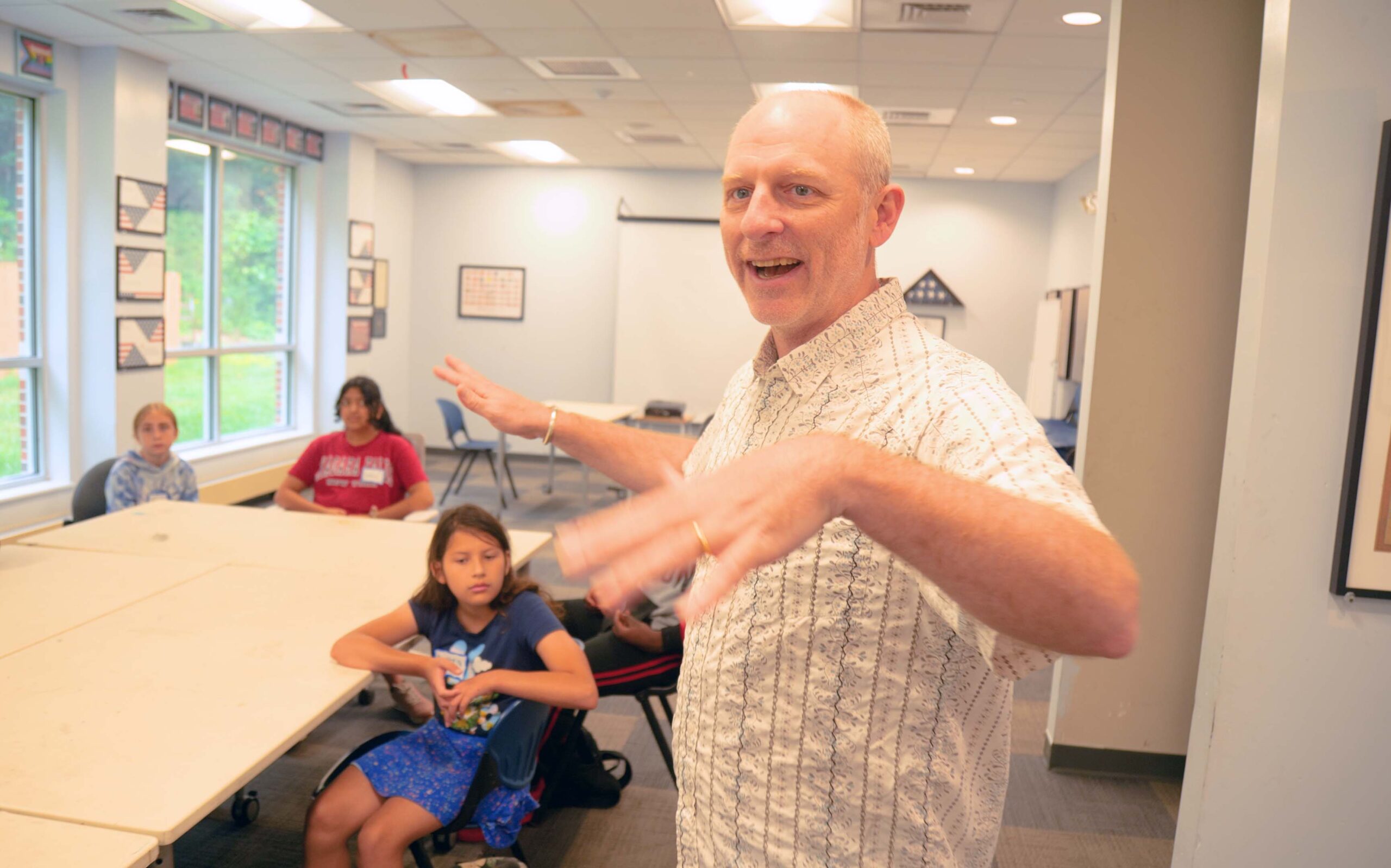
What happens when you combine summer camp energy with cutting-edge research? You get Research Camp —a fresh, participatory approach that brings kids into the heart of the research process. We sat down for a quick Q&A with Dan Warren, Fluent’s Director of Youth Development & Education, to explore how this idea came to life, what participatory research really means, and why kids aren’t just participants—they’re co-creators.
FR: Let’s start at the beginning—what sparked the idea for Research Camp?
DW: It started with a pretty practical challenge. We were working with a client who needed to test a curriculum—something hands-on, engineering-related—and we needed a group of kids who could commit to doing something every day for 10 days. The most reliable way I could think to make that happen was to partner with a day camp.
I reached out to a local camp in Boston and asked if we could sponsor a group of kids to attend. In exchange, we’d get an hour of their time each day to run our sessions.
What we realized was that the cost of recruiting those kids and paying incentives wasn’t that different from just sending them to camp for two weeks. And this way, they got a full camp experience—and we got consistent attendance, energy, and engagement. It turned out to be such a win-win that it sparked the idea of building a whole model around that experience.
FR: How would you describe Research Camp to someone who’s never heard of participatory research?
DW: Participatory research is all about bringing the people you’re studying into the process. Instead of asking questions from a distance, you’re inviting them to help shape the questions, explore the answers, and understand the meaning behind the insights.
Research Camp is a way to bring that approach to life with kids. Over multiple days, you build real rapport. They get comfortable, they open up, and they start to think more critically and creatively. They challenge ideas, build on each other’s thoughts, and begin to see themselves as co-creators in the process—not just subjects. That’s where the magic happens.
FR: Why is it so important to involve kids directly in the research process?
DW: Too often, their voices are filtered or left out entirely. In market research, we’ve traditionally asked parents what their kids think or only engaged kids when we’re testing products. But when it comes to big topics—education, health, policy—we haven’t given youth a real seat at the table.
What I’ve seen is that when kids are involved meaningfully, when their actual words and experiences are represented, it changes the research. It makes it richer, more grounded. And when they’re part of presenting that research too, it shifts how people listen. Their voices deserve to be central—not peripheral.
FR: What kinds of activities do you use during a Research Camp session?
DW: We use a wide range of methods—co-creation sessions, focus groups, one-on-one interviews, kid-led interviews, and roundtables. Sometimes it’s a traditional focus group—but in the woods. That changes the whole vibe.
Because the kids are on-site for longer periods, we can go deeper. We can follow up on something someone said in a group and pull them aside for a one-on-one the next day. We’ve had kids interview other kids as ‘camp reporters.’ We build sessions that match the environment—collaborative, exploratory, and fun.
FR: What are clients able to see at Research Camp that they might miss in a traditional research setting?
DW: First, there’s flexibility. You’re not locked into a strict schedule or format. If something interesting comes up, we can pivot. We can go back to a kid or reconfigure a group. That’s rare in research.
Second—and maybe more importantly—it immerses clients in the world of kids. A lot of our clients design for youth, but they haven’t spent much time with them outside their own families. At camp, they see how kids talk, how they move, how different ages interact. That exposure changes how they think about their work. They leave with a better feel for the people they’re designing for.
FR: Have there been any surprises or challenges in running Research Camp?
DW: A few surprises, for sure. One was how excited the kids were to come back. Many had never been to day camp before, so this was a big opportunity. They didn’t just enjoy it—they felt proud to be part of something important.
Another surprise: I wrote an article about Research Camp, and someone in Pakistan saw it and decided to create their own version there. She reached out to tell me how being outside in nature helped kids open up. That was powerful—it showed that this model can travel and adapt. Check out the article she wrote for us about her Research Camp with a group of girls in Lahore.
And then there’s just the joy of it. Being outside, having real conversations, watching kids light up when they realize their voice matters—it’s meaningful for everyone involved.
FR: What do you hope kids take away from participating in Research Camp?
DW:Two things. First, that they have fun—real fun. That they get to play, explore, be outside, and connect with other kids. That’s meaningful on its own.
But second, and maybe more importantly, I hope they leave feeling heard. Not just like someone listened, but like their ideas mattered. We’ve had kids say things like, “Wait… are they really going to use what I said?” That moment—that realization that their words could shape something bigger—is powerful. It plants a seed of agency, of self-worth. That’s the heart of what we’re doing.
FR: If a potential client is curious but unsure about participatory research, what would you say to them?
DW: I’d say: come visit. Spend some time with us at camp. Once you see the energy, the honesty, and the depth of insight that comes from these sessions, you’ll get it. You don’t have to take our word for it. Just be there. Watch how the conversations unfold when kids feel safe, seen, and engaged. There’s a kind of clarity that’s hard to unsee once you experience it firsthand.
FR: What’s next for Research Camp? Any ideas you’re excited to try in future sessions?
DW: We’re launching camps this summer at Colorado Adventure Point in Denver, which is a fantastic facility. We’re really excited about that.
But I’m also thinking bigger—beyond just kids. I want to explore something I’m calling Family Fest. Not just parents. Not just kids. But families as a system—a whole unit of insight. I imagine bringing diverse families together for a few days in a retreat-like setting, where they can participate in meaningful, fun activities and research sessions.
Designers, engineers, and policymakers could attend—not to observe from the sidelines, but to engage. To spend real time getting to know the families they’re designing for.
Eventually, I could see Family Fest growing into something even larger—part retreat, part research lab, part conference. A place where researchers, funders, designers, and families all gather. Where findings are shared, ideas are built, and families are at the center of it all. Like a world’s fair for participatory research.
And I think there’s a real appetite for that. I’d love to collaborate with conference organizers like Common Sense Media, TMRE, Quirks, and the Society for Research in Child Development (SRCD); companies like Google, Sesame Workshop, Meta, LEGO, or PBS; and youth-serving organizations like 4-H, the Boys & Girls Clubs, YMCA, Campfire, and Scouting. There’s so much potential to bring more people into this work—and to center it around the voices that matter most.

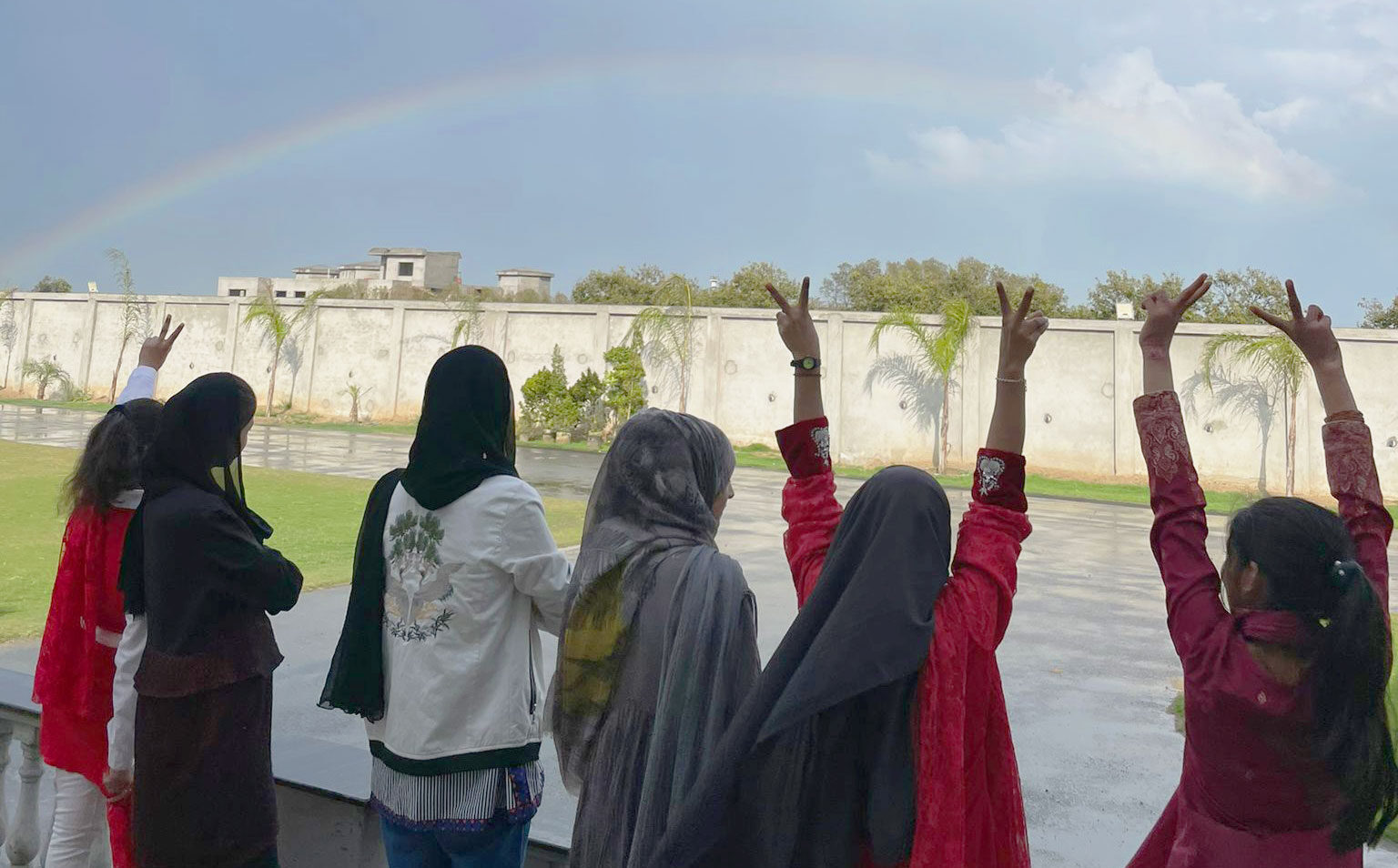
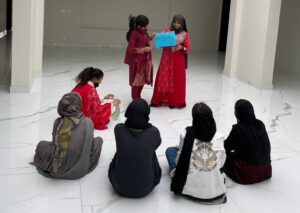
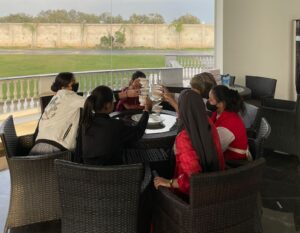 While that sounded amazing on paper, I was reminded of the constraints of my research. I didn’t have the means to book a campsite but did I let that stop me? No. Instead, I replicated the camp feeling at my friend’s farmhouse in Pakistan. The purpose was to take my participants away from their usual setting and provide them with a safe and open space to spend quality time with each other. Like a field trip, they got a chance to enjoy a little break from their routines and immerse themselves in the adventures of a new space. It was all about having fun together. In doing that I uncovered the multiple layers of being that shaped my research and gave me rich insights into their lived experiences, fears, and dreams.
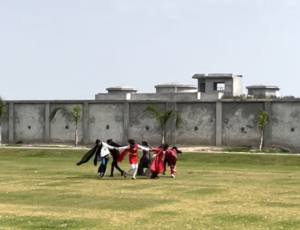 Not only did the camps allow me to gather new insights into the relationship between one’s being and space, but they also allowed us to talk about feelings and experience vulnerability together. In the end, it was a win-win situation. Where I, as a researcher, gathered my data, and the girls as the participants created memories and moments of fun together.
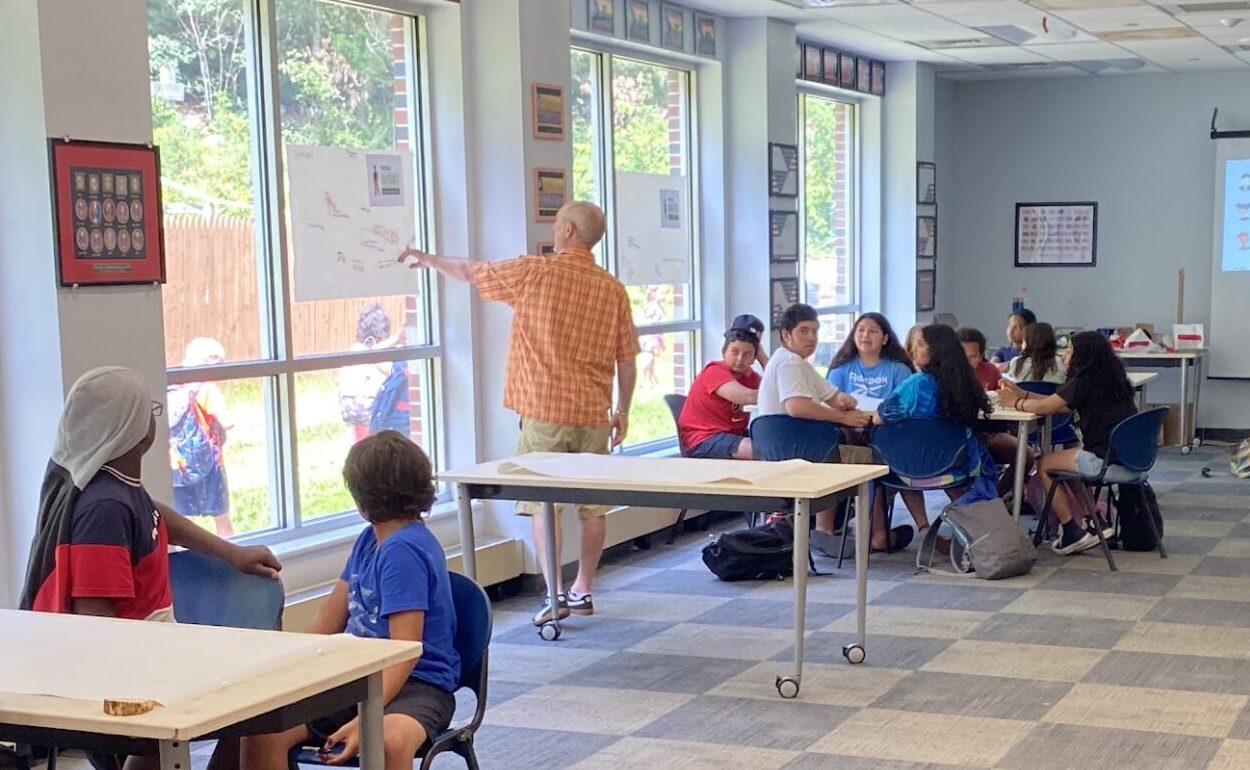
 Research Camp relies heavily on a convenience sampling. A convenience sample is just that, convenient, because participants are selected based on ease of recruitment over randomness. It is particularly helpful when conducting exploratory or formative research because it allows us to gather data quickly from children who are either attending the camp or already interested in going. Convenience sampling tends to be time efficient and cost effective compared to other sampling methodologies, making it a great choice when appropriate.
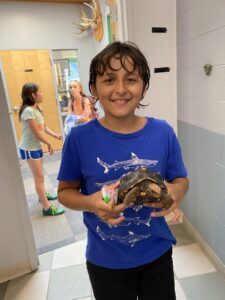 2. In-Depth Interviews – A Personal Connection
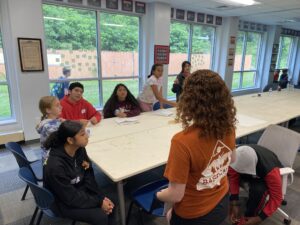 5. Co-Creation Sessions – Collaborating with Children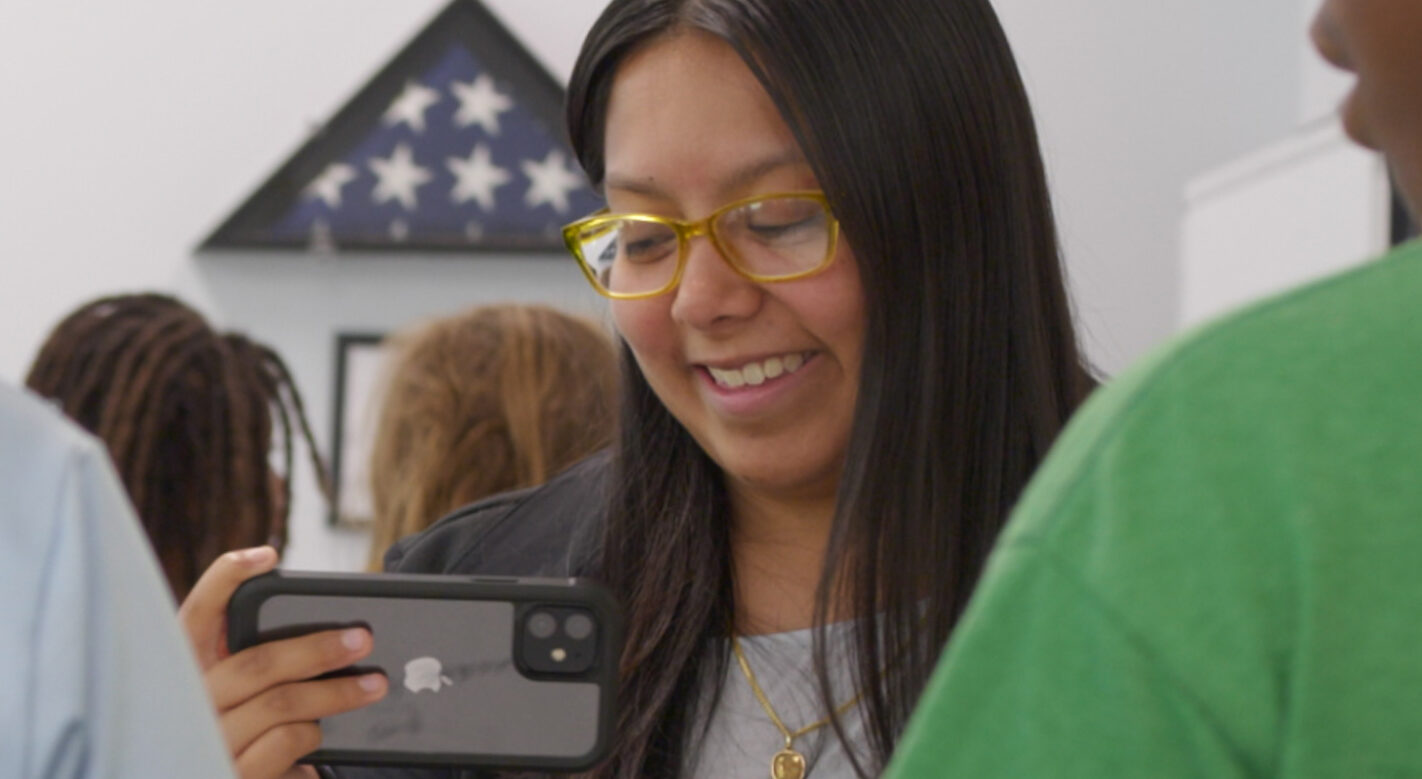
 Along with the movie The Parent Trap, the book Sleepaway Girls by Jen Calonita sparked my interest in going to summer camp and the possibility of forming lifelong friendships while experiencing all that nature had to offer. Inspired by this book and the movie, I immediately began researching different summer camps in my area hoping to recreate the adventures I had read about. Having been to summer camp, my neighbor recommended
  This summer, when Fluent announced plans for a research camp, I found myself in a position to pay forward the life-changing experience I had gained all those years ago. In partnership with
  The stories of three tween girls who had recently arrived from El Salvador especially resonated with me. To attend this camp each day, they needed to travel roundtrip from East Boston to Milton, MA, yet their mothers worked 10-hour days and had no way of picking up or dropping them off at camp. Because the mothers had wanted to provide opportunities for their girls to practice their English, assimilate into their new home, and make new friends, they found a friend for the girls to stay with so they could be closer to the camp. I appreciated that the moms were trying so hard to have their daughters attend summer camp. Their experience touched me and reminded me of all the advocating I had to do for myself to attend camp all those years ago.
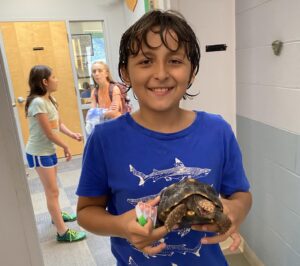 Picture this: a charming summer camp tucked away in the woods on the outskirts of Boston. Hundreds of children are splashing in the pool, hiking through the trees, and playing on the ropes course. A select group will not only partake in typical camp activities over the next two weeks, but they will also share their thoughts and feelings with researchers on a wide range of topics, including mobile devices, media content, and wearable tech.
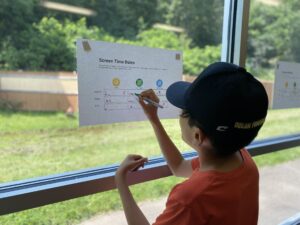 Our Fluent Research team recently took an unexpected path to this magical place. Fueled by the need to find Latinx children to test out a new curriculum for GBH, the Boston-based PBS affiliate, we scouted for and
 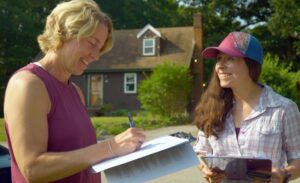 In partnership with New England Base Camp, we had arranged for the children we recruited to attend the day camp for two weeks. When they were not participating in camp activities, they would take part in research-related activities, including activity sessions, dyads, and focus groups. During these sessions, representatives from GBH and other companies had the opportunity to interact one-on-one with the children, ask probing questions, observe focus groups and interviews, and even spend time participating in camp activities themselves. Simultaneously, Director of Productions
 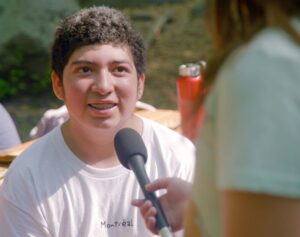 Research Camp fostered an immersive research environment for our clients that provided them with a front row seat for focus groups, activity sessions, and in-depth interviews. But what’s more—our clients could engage in the kid world of summer camp! They had the opportunity to spend time with kids during research activities, ask them questions, get a feel for how kids talk with one another, how they move and relate, and what they are interested in. A far cry from the one-way mirror, our clients had the opportunity to “hop in” and ask questions, set up impromptu interviews, sit down with insightful participants, debrief with us in person, and open themselves to breakthrough insights—all things best supported by a live, dynamic, open-ended, and immersive research environment.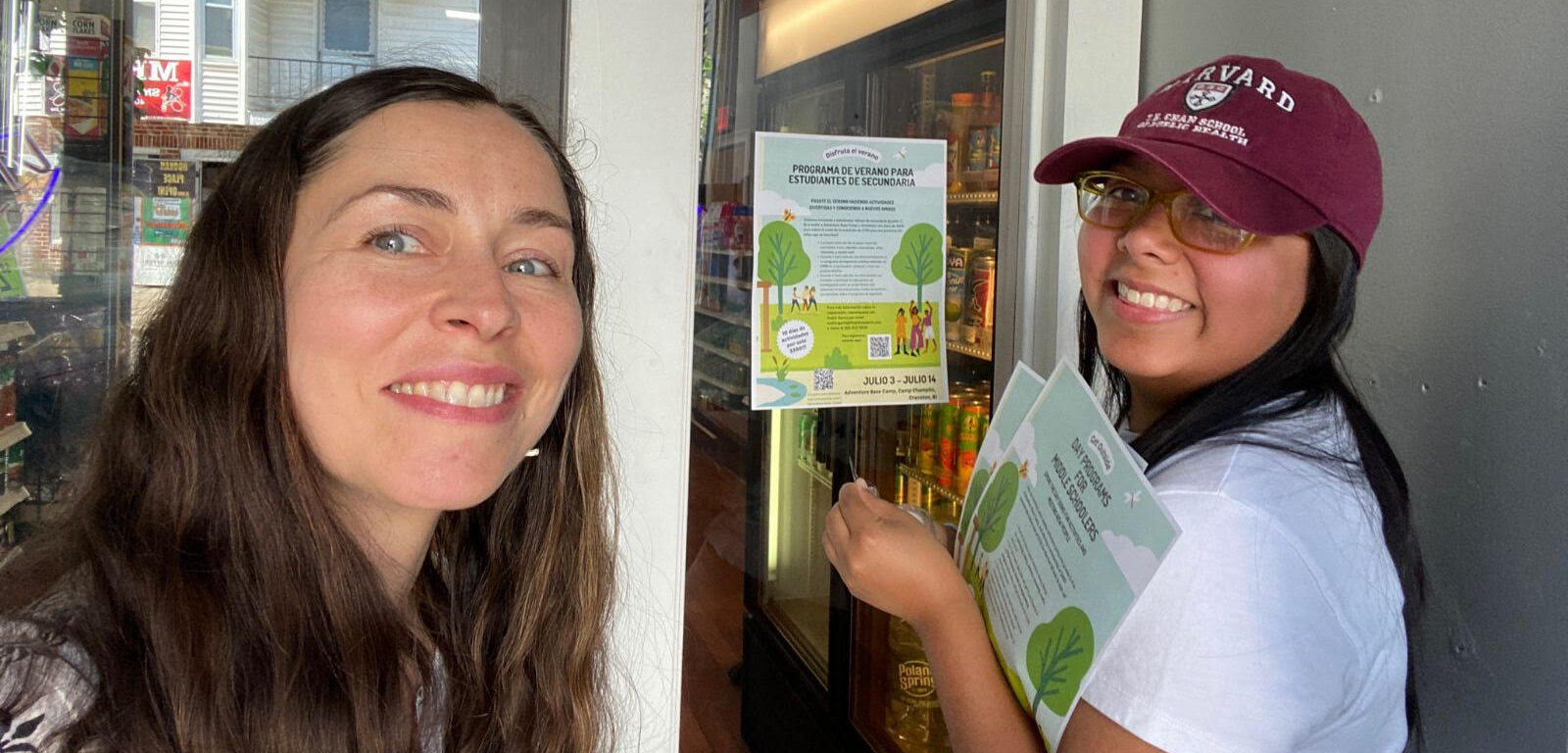
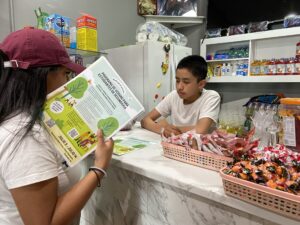 Interestingly, our journey turned into an immersive cultural experience. At each stop, we heard fascinating stories from really interesting people that reminded us of the resilience and diligence of the Latinx immigrant community. For instance, we met a business owner from El Salvador, who had recently written a book about the first Central American migrants who arrived in the US in the 1800’s, a story not many people know about.
  Another notable encounter occurred with two young boys who were spending their summer helping out at the cash register of their family’s store. One of them expressed interest in going to summer camp because it was something he had always wanted to do. Towards the end of the day, we visited a tortilleria, a shop that makes and sells hand-made tortillas. There, I chatted with a worker about how tortillas connect our two cultures, hers Guatemalan and mine Mexican.
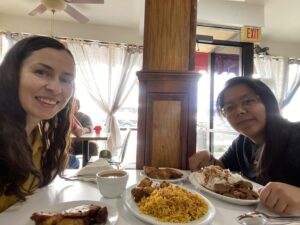 One major highlight was the opportunity to indulge in what felt like a culinary tour of Latin America. Amy and I tried dishes from a variety of cultures like Brazilian coxinhas, Colombian empanadas, Mexican agua fresca, and Dominican guisado de res, which made us feel more connected to the people we met.