

Market Research

The COVID-19 pandemic reshaped countless aspects of daily life, and its ripple effects have continued to influence how we engage with work, education, and extracurricular activities. The impact of these societal shifts presented unique challenges for researchers when recruiting participants for studies during the pandemic. Having started and completed a project that spanned the last five years and was wholly impacted by the pandemic, I believe that we need to reconsider the predominant recruitment model that non-profits and academics have relied on in the past. 

The Challenge

In early 2020, I started working on an NSF-funded research project for a client that involved iterative phases of curriculum development and a program evaluation. In the beginning, the study included multiple countries, involving collaborations among developers, subject matter experts, academics, schools, and several youth-serving organizations. Having deep experience with this type of research,  all of the stakeholders felt quite equipped to tackle this project and let the learning begin. By mid-March, we were forced to reimagine our plans.

Of course, there were lots of challenges: the aforementioned pandemic, hurricanes in Puerto Rico, staff turnover, and other struggles within organizations. All of that would have been manageable IF we could recruit the number of youth that we needed for the study. It wasn’t a problem that was unique to us. I was also hearing from other colleagues that recruitment wasn’t nearly as easy as it used to be.

As I see it, the problem was this: traditional recruitment models—which have often relied on partnerships with large youth-serving organizations—are no longer as effective in a post-pandemic society. In the past, securing buy-in from an institution (like a school, community center, or other youth-serving program) would naturally lead to robust participation numbers. Institutions had both the authority and the influence to encourage enrollment, and families were generally receptive. It was never easy, but it was possible if you knew what you were doing. What we came to realize is that we could no longer work from our old recruiter playbooks.

As I reflected on it, I feel that post-pandemic dynamics have disrupted this model. The core issue lies in the shift from institutional incentives to individual choice. Families are now exercising greater autonomy in deciding how their children spend their time, and institutional endorsements carry less weight than they once did. Even when organizations receive substantial funding to support participation, they struggle to meet recruitment targets because they can no longer assume that families will automatically opt-in.

My working hypothesis is that the pandemic invited families into a new reality where the traditional boundaries between work, school, and home life blurred. As parents adapted to working remotely and children engaged in virtual schooling, many families discovered (with a fair amount of challenge) a newfound sense of autonomy and flexibility. This period of adjustment highlighted an essential question for both adults and children: “What do I really need to show up for?”

This question has had lasting effects on out-of-school-time (OST) programs. Before the pandemic, these programs served as critical spaces for enrichment, socialization, and supervision, particularly for working parents. However, the pandemic decoupled the previously inseparable functions of childcare and education. Parents realized that they could manage their children’s schedules differently—whether through remote supervision, flexible work arrangements, or a greater reliance on informal networks. As a result, the perceived necessity of OST programs diminished for many families.

Institutional vs. Individual Incentives

This shift requires a fundamental change in recruitment strategies. Rather than focusing solely on institutional partnerships, researchers would be best served by engaging directly with families and emphasizing the personal value of participation. This means crafting messages that resonate on an individual level, highlighting not just the benefits of the program or study, but also how it aligns with a family’s unique priorities. It also means that the majority of incentivizing should be directed toward the participant. This approach, more typical for marketing research, is highly motivating at the individual level but requires a lot more effort to connect with each of the participants.

A middle ground, which seemed appropriate for this study, was to incentivize the leaders who would be delivering the program. We placed stipulations on the incentive: we would give X amount if they could help with recruitment and provide us with a set number of complete post-surveys. This was a complete game-changer. We still experienced some attrition, but we saw a significant difference in the engagement of the leaders.

Recommendations for Thoughtful Incentivization

Based on these experiences, here are some recommendations for researchers looking to navigate recruitment in this new landscape:

1: Assess the Recruitment Ecosystem: Before launching a recruitment campaign, take time to understand the landscape. Identify where the decision-making power lies. Is it with institutions, leaders, or individual families? Tailor your approach accordingly.

2: Diversify Incentive Structures: One-size-fits-all incentives are less effective in today’s environment. Consider layered incentive models that target both institutional leaders and individual participants. This could mean offering performance-based bonuses for program leaders while providing direct benefits to participants.

3: Align Incentives with Participant Values: Monetary incentives are effective, but they’re not the only motivator. Consider what matters most to your target population—recognition, skill development, community involvement—and design incentives that align with these values.

4: Create Clear, Achievable Goals: When incentivizing program leaders, be specific about expectations. Set measurable goals (e.g., a certain number of completed post-surveys) and ensure that leaders understand how they can meet these targets.

5: Invest in Relationship Building: Incentives are important, but relationships are foundational. Build trust with both institutional partners and individual participants through consistent communication, transparency about study goals, and genuine engagement with their feedback.

6: Monitor and Adapt: Recruitment isn’t static. Continuously monitor what’s working and be prepared to adjust strategies mid-course. Flexibility can be the key to overcoming unexpected challenges.

Moving Forward

The post-pandemic world requires researchers to rethink long-held assumptions about recruitment. Understanding the shift from institutional to individual incentives and adopting a thoughtful, flexible approach to engagement are crucial. By doing so, we can build more resilient research methodologies that are responsive to the changing dynamics of families, communities, and educational ecosystems.

At Fluent, one innovation that came out of this learning is Research Camp, an experience that trades high-value outdoor experiences for participation in short research studies. Research Camp was designed to blend immersive adventure-based activities with data collection in a way that is engaging for participants while still meeting rigorous research standards. Instead of relying on institutional recruitment, Research Camp meets youth and families where they are—offering exciting experiences that make participation feel worthwhile. Learn more about Research Camp and how your company can get involved.

By integrating adventure, community, and research, we’ve found that participants are more likely to engage meaningfully and provide higher-quality responses. This model has also allowed us to test new approaches to incentivization—ensuring that both program leaders and individual participants see clear benefits to their involvement. 

Ultimately, successful recruitment isn’t just about numbers—it’s about fostering meaningful connections that support both research goals and participant needs. By meeting people where they are, both literally and figuratively, we can create research environments that reflect the realities of the communities we aim to serve.

By Dan Warren, Ph.D, Director, Youth Development & Education
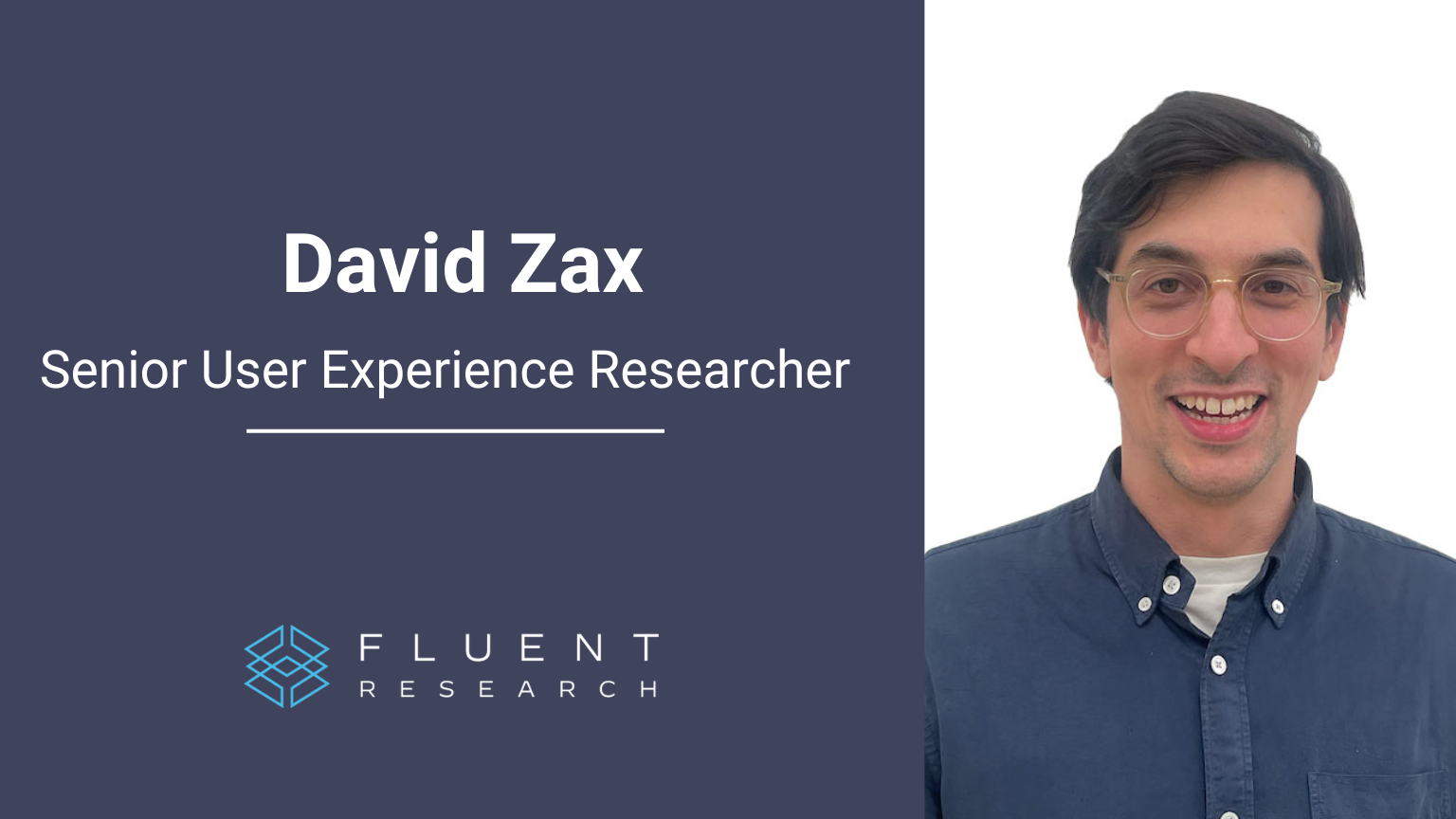
September 10, 2024 (New York, NY) –– Fluent Research, a data and insights-driven strategic consulting firm, announced today that David Zax has joined the company in the role of Senior User Experience Researcher. In his new position, David will conduct research for some of the world’s best-known brands and organizations; he will also help Fluent tell stories about the most successful of these research engagements.

“David joins Fluent after a distinguished career in both journalism and strategy consulting,” said Nellie Gregorian, Founder and President of Fluent Research. “His deep expertise in conducting empathic interviews and communicating his insights will delight both our existing clients and those we have yet to meet. We are excited to see all David can do to help Fluent Research in its mission of leveraging data and insights in order to make a positive impact on the lives of children, youth, and families.”

David has spent the last seven years working at other research agencies, conducting studies as varied as in-person ethnographic research with internet trolls (on behalf of Google) and large-scale user testing of AI chatbots (for Meta). Specializing in tech, and working on projects both strategic and tactical, his previous clients have included Airbnb, Dropbox, Intel, LinkedIn, Netflix, Twitch, and Twitter.

Before his years in research, David spent a decade as a journalist. His story on mattress marketing was named one of the best in Fast Company’s 25-year history. He has additionally contributed to The New York Times, This American Life, and other outlets. Holding a Master of Fine Arts degree from NYU in playwriting, David continues to write creatively. His plays have been produced and developed towards feature film production.

David is a graduate of Yale University and has a master’s degree in Science Journalism from Columbia University.

About Fluent Research
Fluent Research is a data and insights-driven strategic consulting firm. Since 2006 Fluent has leveraged understanding of human behavior to help the world’s best-known brands and organizations advance worthy causes, innovate transformational products, and successfully navigate change. Fluent’s work centers around three practice areas: thought leadership research, formative research and evaluation, and social impact assessment. Fluent has applied rigorous and innovative research solutions in service of promoting children’s access to and quality of education, and gender equality in the U.S. and in over 70 countries around the world.

Contact: Stefanie Cousins
[email protected]


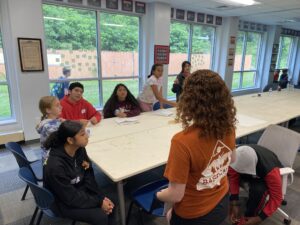
Research Camp is an immersive experience for both youth and clients. For the kids, it involves engaging in a full schedule of camp activities and participating in research for a brief period each day. Clients have the opportunity to witness children grapple with their research or design questions in real life while also interacting with them informally. What makes this experience unique is that we conduct the research in a fun and engaging environment: Camp. Research Camps take place in cities across the US at established camps that hold sessions during school vacations and in the summer. The incentive for youth participation is a week of the camp’s tuition at a significantly reduced price.

At Research Camp, we explore the world through the eyes of children. Using a range of qualitative research methodologies, we aim for deep insights into their thoughts, feelings, and experiences to answer our client’s research questions. Over the past few weeks, we’ve published articles about how Research Camp came about and how we found our first participants. In this article, we’ll focus on how we leverage a convenience sample and five qualitative research methodologies to understand and enhance the lives of children.

Convenience Sampling – A Quick Entry Point

Research Camp relies heavily on a convenience sampling. A convenience sample is just that, convenient, because participants are selected based on ease of recruitment over randomness. It is particularly helpful when conducting exploratory or formative research because it allows us to gather data quickly from children who are either attending the camp or already interested in going. Convenience sampling tends to be time efficient and cost effective compared to other sampling methodologies, making it a great choice when appropriate.

Convenience sampling, however, comes with its limitations. Since participants aren’t randomly selected, the sample may not accurately represent the broader population, thus limiting the external validity of the research. Additionally, the absence of randomness in the selection process makes reliable estimation of sampling error problematic and, therefore, precise statistical inferences and hypothesis testing doesn’t really work. For our purposes, the convenience sample is perfect, but researchers must be aware of the drawbacks when designing and interpreting convenience sample-based studies.

Qualitative Research Methodologies We Use with Kids at Camp

Because children have unique perspectives and experiences that may not always be adequately captured by utilizing one research solution, we use five different qualitative research methodologies at Research Camp. These methodologies were chosen to generate rich data to help us explore nuanced responses, emotions, and stories that go beyond data from surveys or questionnaires to provide a more holistic view of children’s experiences and opinions.

1. Focus Groups – Exploring Children’s Perspectives

One of the primary qualitative methodologies we use is focus groups. In a focus group a skilled moderator guides a small group of children through discussions on specific topics. This methodology offers several advantages:

        • Careful Participant Selection: We ensure that the children in our focus groups are uniquely positioned to provide valuable insights into the topic under investigation.
        • Experienced Moderation: Our moderators have backgrounds in child psychology or education, creating a safe environment for children to express themselves.
        • Age-Appropriate Sessions: Recognizing children’s shorter attention spans, our focus group sessions typically last 45 minutes to an hour and may involve engaging activities like games or storytelling.


2. In-Depth Interviews – A Personal Connection

In-depth interviews (IDIs) with children are another valuable qualitative methodology we use during Research Camp. These semi-structured interviews facilitate detailed discussions with children on a wide range of topics. Conducting in-depth interviews with kids provides two benefits to the research process:

        • A Child-Centric Approach: In-depth interviews allow us to adapt questions to the child’s developmental stage and cognitive abilities, ensuring age-appropriate interactions.
        • Building Trust: Conducted in a one-on-one, non-threatening environment, these interviews often lead to stronger connections between children and researchers, fostering more honest and open responses compared to focus groups.


3. Child Ethnography – Immersed in Their World

Child ethnography, a specialized form of ethnographic research, plays a crucial role in Research Camp. This qualitative methodology involves immersive, long-term fieldwork to study the lives of children within their cultural and social contexts. We do this both on-site at the camp as well as in the homes of some of the campers outside of the camp hours. Child ethnography is invaluable because it provides:

        • Deep Insights: Child ethnography provides a holistic understanding of children’s daily lives, experiences, and perspectives by allowing the researchers to see things play out over a longer period in a more natural environment.
        • Cultural Context: Ethnographies can help researchers explore how cultural norms, values, and practices shape children’s experiences and development, offering insights into their socialization.


4. Observations – Becoming part of the scene

Nothing has been more effective than getting into the thick of it with kids. By interacting with youth through observations and immersion during Research Camp, researchers spend time with children, observe their interactions, and engage in informal conversations. Observations have some specific benefits:

        • Immersive Insights: Observations and immersion provide authentic insights into children’s lives by creating the opportunity to see kids over a longer and less contrived period of time.
        • “Quantity” time: By creating a wider timeframe to observe kids, we increase the possibility of kids becoming more comfortable and, therefore, authentic. It also makes the space for other unintended insights that can provide some of the most profound breakthroughs.


5. Co-Creation Sessions – Collaborating with Children

Co-creation sessions, when children are invited into the process of the design, development, or improvement of products or services, are an amazing and inspiring experience. Often, researchers and designers get stuck in a certain adult-centric way of thinking and need to enlist the help of kids to create alongside them. Co-creation is great because it provides:

        • Fresh Perspectives: Children offer fresh, imaginative, and innovative viewpoints that can lead to creative solutions.
        • User-Centric Solutions: Co-creation ensures that products or services are tailored to children’s needs and preferences, enhancing customer satisfaction.


Research Camp employs a range of qualitative research methodologies to unlock the unique perspectives and experiences of children. From focus groups and in-depth interviews to child ethnography, observations, and co-creation sessions, these methodologies help us understand, empower, and advocate for children in a world that often, intentionally or not, misinterprets or tunes out their critical voices.

By Dan Warren, Director, Youth Development & Education
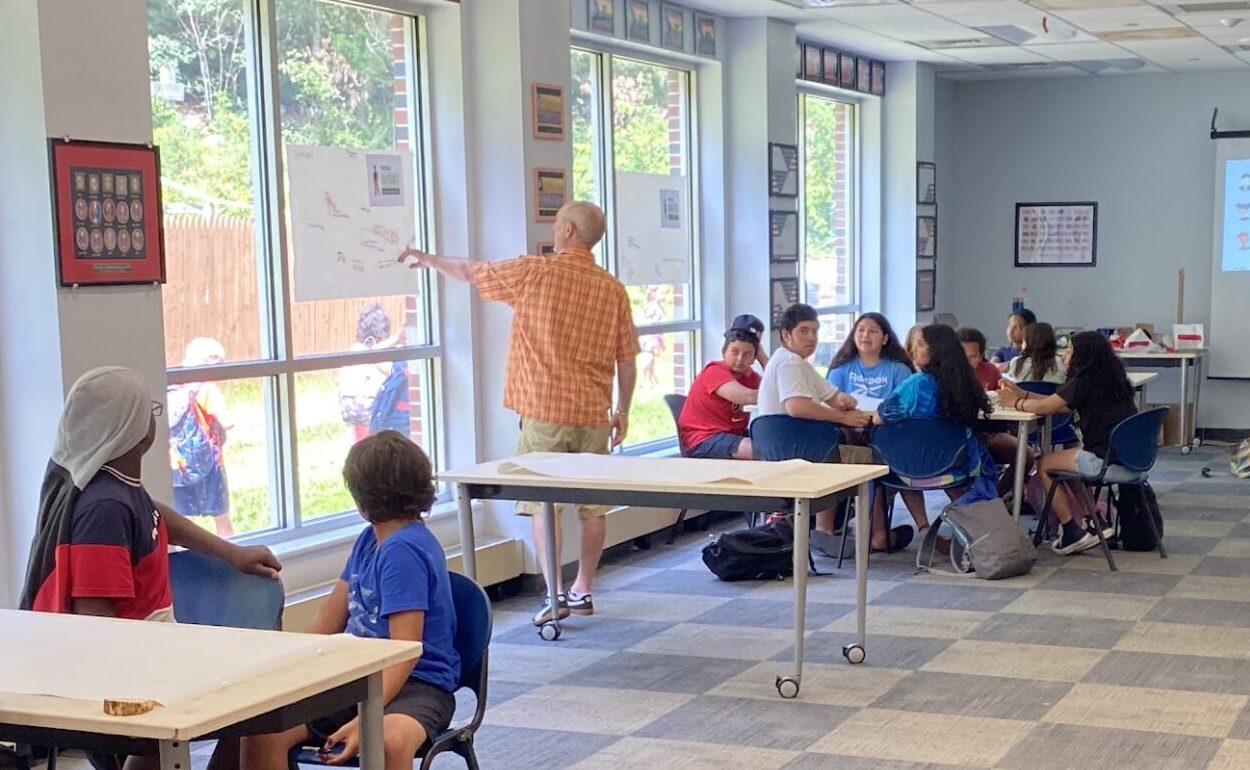
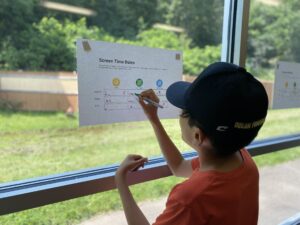
Picture this: a charming summer camp tucked away in the woods on the outskirts of Boston. Hundreds of children are splashing in the pool, hiking through the trees, and playing on the ropes course. A select group will not only partake in typical camp activities over the next two weeks, but they will also share their thoughts and feelings with researchers on a wide range of topics, including mobile devices, media content, and wearable tech.
Our Fluent Research team recently took an unexpected path to this magical place. Fueled by the need to find Latinx children to test out a new curriculum for GBH, the Boston-based PBS affiliate, we scouted for and recruited 10-13-year old children in their communities. As our team began building relationships with them and their families, a novel idea soon transformed our methodology. In lieu of a typical monetary incentive, we would offer each child a scholarship for a two-week immersive day camp experience filled with adventure. Amidst the laughter, splashes, and camaraderie of swimming, hiking, archery, and crafts, our young participants would share their insights and reflections on the GBH curriculum and beyond. This is how Research Camp was born.

In partnership with New England Base Camp, we had arranged for the children we recruited to attend the day camp for two weeks. When they were not participating in camp activities, they would take part in research-related activities, including activity sessions, dyads, and focus groups. During these sessions, representatives from GBH and other companies had the opportunity to interact one-on-one with the children, ask probing questions, observe focus groups and interviews, and even spend time participating in camp activities themselves. Simultaneously, Director of Productions Heath Cozens and Associate Producer Paige Frankovich of Fluent Productions were filming campers’ day-to-day activities, interviewing them, teaching them how to interview each other, and gaining real-time insights during spontaneous debrief sessions. Heath connected with one camper’s family and arranged a “deep dive” interview with the child and family in their home – a documentary style he recently described in his blog.

Research Camp fostered an immersive research environment for our clients that provided them with a front row seat for focus groups, activity sessions, and in-depth interviews. But what’s more—our clients could engage in the kid world of summer camp! They had the opportunity to spend time with kids during research activities, ask them questions, get a feel for how kids talk with one another, how they move and relate, and what they are interested in. A far cry from the one-way mirror, our clients had the opportunity to “hop in” and ask questions, set up impromptu interviews, sit down with insightful participants, debrief with us in person, and open themselves to breakthrough insights—all things best supported by a live, dynamic, open-ended, and immersive research environment.

What started as a pragmatic choice has blossomed into an enriching research model, poised to reshape how we think about client and participant engagement. With the addition of Research Camp to our toolbox, Fluent can now offer clients a new kind of research methodology, one that blends innovation and exploration for meaningful insights and endless opportunities. Stay tuned for announcements about specific dates and locations for future Research Camps during school breaks in Boston, MA and Los Angeles, CA. See you there!

By Stefanie Cousins

Last month, I attended the Critical UX: Challenging the Dogma of UX event hosted by HmntyCntrd. At this virtual symposium, academics, researchers and designers from around the world gathered to examine some of the prevailing credos that have emerged in the UX field. What ensued were rich discussions that went beyond buzzwords and unpacked inclusivity, universality, and individualism in UX research and design. At the end, I walked away with a deeper understanding of how to better honor my research participants’ lived experiences.

Three points especially resonated:

The value of wholesale inclusion

It is possible for those involved in research to take a narrow view of inclusion; making it primarily about whether someone from a historically underrepresented group is included in a sample. While representation in a sample is a good step forward, what if inclusion was more than just ensuring that those from underrepresented groups were included in a research?

Panelists at Critical UX asked the audience to scrutinize whether the entirety of their research processes considers the many facets of inclusion. Particularly, they asked those in attendance to think about recruitment processes, research methodologies, and whether built solutions are serving the needs of marginalized groups included in research. Panelist Alex Haargaard mentioned how recruiting people in wheelchairs, for example, could be one part of the inclusion process, but to be more comprehensively inclusive requires more thought into different elements of participation for people in wheelchairs. In practice, this could mean examining a research facility for accessibility or ensuring that tables in a testing room are at a wheelchair friendly height. Comprehensive inclusivity may also mean consistently engaging with wheelchair users through the many different stages of the product design process, so that early prototypes, built solutions, launched products, etc. can be tested with them.

The UX researcher is positioned to advance inclusion by creating research processes that are accessible. And though it may require more effort to sustain their involvement due to systemic barriers, a UX researcher can advocate for underrepresented participants to have a consistent presence in the design process, from product inception through continuous iteration cycles. I am freshly challenged to consider how my research process, from start to finish, can better include marginalized groups.

The importance of making space for different perspectives

In data collection, it’s possible to inadvertently shut out insights from people who have idiosyncratic ways of perceiving the world. This can affect the quality of data and the way it is ultimately used. It can therefore be helpful to proactively invite participants to volunteer their unfiltered perspectives about what matters to them in their daily lives. To illustrate this, panelist Dr. Madhuri Karak recounted a community mapping project with Asian villagers. The research participants insisted on faithful delineations of their places of interest. What resulted was a multi-sensory map that tracked orangutan breeding grounds, riverside resting places, trees with springtime songbirds, and other landmarks that may have been otherwise foregone.

Thinking on Dr. Karak’s example, I could see myself having expected the Asian villagers to map street names, schools, meeting halls, and other similar places when community mapping. Such expectations would reflect my own ideas of what is noteworthy in a community, but would have been an incomplete reflection of the research participants’ ideas of what is noteworthy.

At Fluent, our exploratory research spans the globe and we regularly visit participants’ homes, schools, workplaces, and communities to see their lives in action. Within UX research, it is essential to explore how participants actually perceive the world around them and understand how technological products integrate with their daily lives. For this reason, it’s important to make sufficient space for participants to offer their own perspectives. For me, this may require loosening my expectations for how participants “should” define aspects of their own lives in favor of how they actually define their lives. This may take on even greater importance in cross-cultural settings where research participants may have different worldviews.

The necessity of UX informing decisions about scale

As engineers and designers create technologies for education, healthcare, and other institutional spaces, many of them think about getting their products into as many hands as possible. Panelists had the audience consider the upsides and downsides to scaling up a product’s distribution, and the role that UX research can play in helping make decisions about scale. While some problems can be solved by blanket solutions that serve a broad array of people, other problems may require solutions that are more tailored. Moreover, as automation and AI become a larger part of technological design, questions of human-computer interaction enter the forefront in new ways. To illustrate this, panelist Andrea Ngan raised the question of “scaling health care” with automation, and how for patients, figuring out health care needs through machine interactions may be less appealing than working with other human beings. In cases where users have strong sentiments about a product, the success of a product, no matter how good it is, can hang in the balance.

Ngan’s example sheds light on instances where UX research can contribute to organizational decisions around scale and user adoption. User research can help identify whether a more universal solution can actually meet the differentiated needs of users, or whether a more customized, small-scale approach is more appropriate. UX research can also help understand user needs and sentiments, helping to determine the appeal of a product or service and whether there might be resistance to it. This line of conversation pushes me to think about the myriad of ways user-centric research can impact product design conversations, including some of the bigger questions along the product design roadmap.

Overall, the Critical UX: The Dogmas of UX strengthened who I am as a researcher by inviting me to take a closer look at my own research processes. I am grateful to have spent an afternoon listening to UX leaders who are entertaining the big questions in earnest. Furthermore, I’m eager to put what I’ve learned into practice to better elevate the voices and stories of participants I work with at Fluent.

By Senior User Experience Researcher Farrah Brensinger

If you have had any interactions with a teen or young adult recently, I am sure you have heard the word “cringy” uttered more than once. Consider Chicken Shop Date interviews with Amelia Dimoldenberg and Taylor Swift’s infamous 2022 NYU graduation speech when she says “… learn to live alongside cringe,” as examples of the current cultural relevance of cringe. But how about “meta-cringe”? Trend forecasters predict that 2023 is the year of meta-cringe for Gen Z. While cringe is generally defined as embarrassment, awkwardness or discomfort about something or someone being out of touch, meta-cringe is defined as having an awareness that something is cringey and enjoying it anyway. A hallmark of meta-cringe is that it’s unclear whether the act is sincere or ironic, and because of that, the question about intent loses importance all together.

It makes sense that meta-cringe is having its moment. In the current political and social climate, Gen Z are inundated with news and trends that move at a speed far too fast to keep up with. Young people are understandably anxious about the state of the world and disillusioned with emerging adulthood for many reasons, including the war in Ukraine, mass shootings, climate change, and economic uncertainty. These feelings of distress, combined with Gen Z’s value of authenticity, leads young people to deliberately engage in absurd, awkward, and idiosyncratic cringe humor. Gen Z are no longer interested in projecting a perfect online image. Instead, they are rejecting the societal pressures of a flawless feed and the shame associated with cringeworthy moments, and in lieu of this, opting for curated cringe. This kind of humor is often an expression of nostalgia for the media and cultural trends of Gen Z’s adolescence from the 2000s to 2010s (i.e., Shrek raves, viral memes about 2000s emo singing impressions).

In our work at Fluent, where we often conduct research with Gen Z teens and young adults, we consider the cultural shifts and values that embody meta-cringe when trying to connect with and design for young people. Here are some ideas to keep in mind when working with Gen Z:

– Be Nostalgic: Find unique and easy ways for Gen Z to connect with the beloved digital and media world they grew up with (2000s to 2010s).

– Embrace Absurdity: Don’t be afraid to be cringy. Intentional or not, this peaks interest.

– Play with “when the curtain drops” moments: Focus on content that feels unstaged and genuine. Consider the trope of “when the curtain drops” or “the camera stops rolling” humor where the viewer gets a glimpse into the inner world of a character, or behind the scenes.

– Be Authentic: Be cringey, be real, as long as you are being truthful to you. A curated and manicured public image is not in style anymore.

– Cultivate personal and meaningful connection: Ensure that connection feels vulnerable, intimate and simple, perhaps with smaller groups of peers.

– Share the unfiltered self: Encourage sharing in a way that feels like unedited, first takes. Consider BeReal and Poparazzi as examples of apps popular among Gen Z that are designed for unedited and in-the-moment photo sharing.

– Be Relatable: One aspect of meta-cringe is the relatability of those moments of embarrassment, awkwardness or discomfort. It may be painful to watch, but the humor connects with Gen Z who are disillusioned with the perfect, filtered digital image.

Meta-cringe will influence Gen Z’s expectations and behaviors in the digital world. Young people are embracing their guilty pleasures and giving themselves permission to be themselves, IRL and online. We can view this carefree attitude as a way for Gen Z to express more vulnerability when they connect with others online.

Sources:
https://i-d.vice.com/en/article/qjkywp/meta-cringe
https://www.russh.com/tiktok-meta-cringe/
https://zeefeed.com.au/meta-cringe/
https://www.tiktok.com/t/ZTRWYP36o/

By Natalia Belchikov, User Experience Researcher, Fluent Research

As I reflect on my first year working at Fluent Research, I am grateful for the valuable lessons I have learned from my colleagues who work in market research. Their expertise and experience have given me a new perspective on the industry and helped me grow as a marketer. Here are some of the key things I have learned from my market research colleagues in my first year in marketing.

1. Understanding the customer

My colleagues in market research have taught me that the key to successful marketing is understanding the customer. They have shown me that the customer is not just a demographic, but a unique individual with unique needs, wants, and motivations. To truly understand the customer, it is essential to go beyond simple data analysis and dive into their experiences, emotions, and behaviors.

2. The power of data

Data is the backbone of market research, and my colleagues have taught me the importance of using data to inform marketing decisions. They have shown me that the key to unlocking the power of data is to approach it with a critical eye, asking questions and looking for patterns and relationships that can inform decision-making.

3. The importance of collaboration

Day in and day out, I see my colleagues working together as if marketing research were a team sport. They have shown me that the best insights and recommendations come from working with others and combining different perspectives and skill sets. Whether it’s working with designers, product managers, or other researchers, collaboration is essential for producing high-quality research that leads to actionable insights.

4. The need for creativity

Market research is not just about gathering data, but also about interpreting it in a meaningful and compelling way. My colleagues have taught me the importance of presenting findings and recommendations in a way that resonates with stakeholders, using creative and visually engaging methods.

5. The importance of staying current

The market research industry is constantly changing, and staying current with new techniques and technologies is essential for success. My market research colleagues have taught me the importance of attending conferences, reading industry publications, and engaging with other researchers to stay up-to-date and continuously improve my skills.

My first year as a marketer in the market research industry has been a journey of learning and growth, thanks in part to the valuable lessons I have learned from my colleagues. Their expertise and experience have given me a new perspective on the industry and helped me grow as a marketer. I am eager to continue learning and collaborating with my colleagues in market research, and I am confident that the next year will bring even more exciting opportunities and insights.

By Stefanie Cousins.

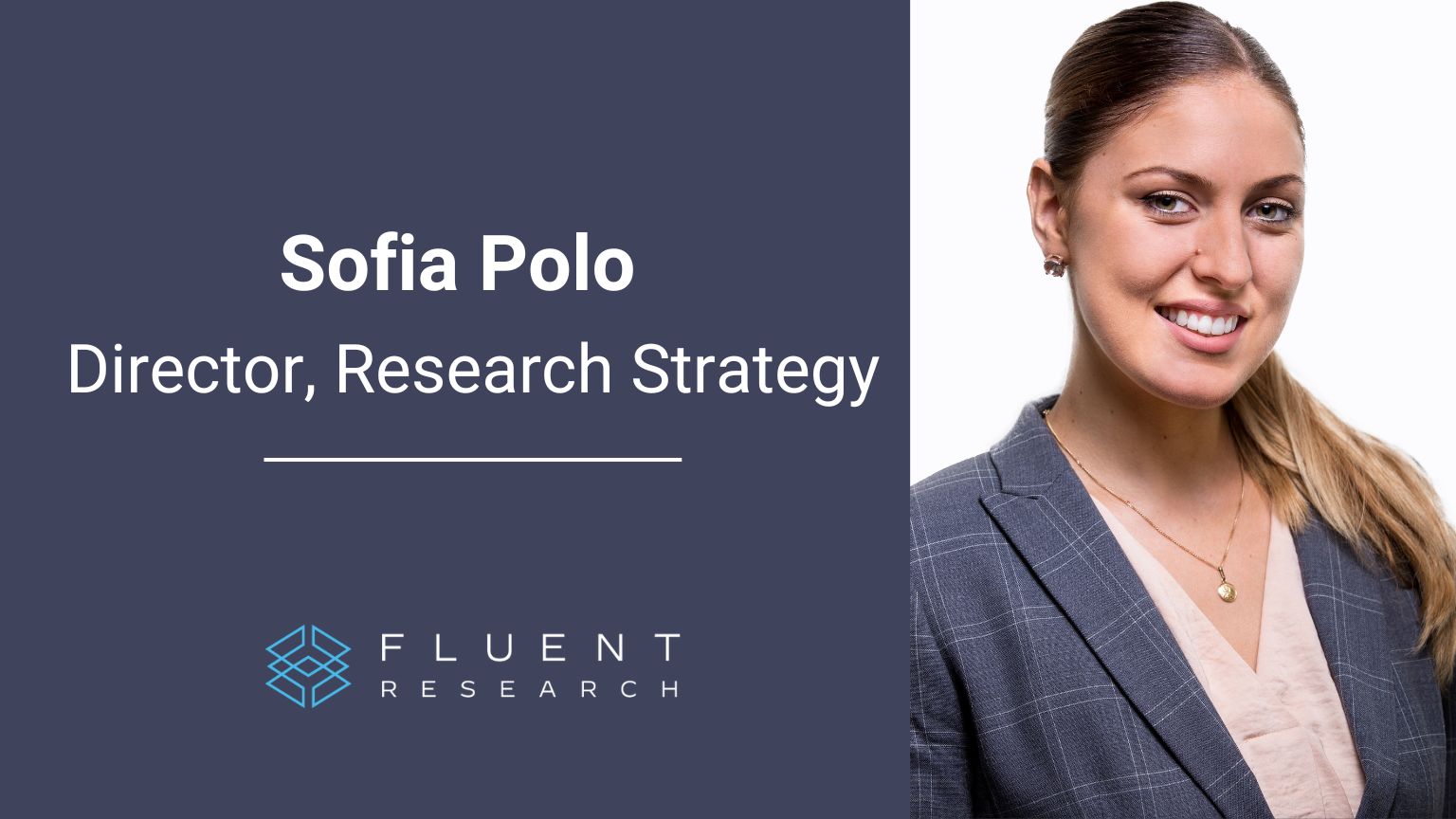
January 11, 2023 (New York, NY) – Fluent Research, a data and insights-driven strategic consulting firm, announced today that Sofia Polo has been promoted to Director, Research Strategy. In this role, Sofia will work with the senior executive team on advancing the company’s mission and strategic direction.

“Sofia has been a valuable member of our team and a mentor to many of our colleagues. I am thrilled that in her new role she will take on more management and leadership responsibilities,” said Nellie Gregorian, Founder and President of Fluent Research.

Sofia has a strong interest in leveraging research to promote education, health and mental health of children, youth, and families. A native Spanish speaker, Sofia is committed to amplifying the voices of the Latinx communities and advocating an equitable approach to research practices.

Prior to joining Fluent, Sofia worked as a health research training consultant at the New York City Department of Health and Mental Hygiene.

About Fluent Research
Fluent Research is a data and insights-driven strategic consulting firm. Since 2006 Fluent has leveraged understanding of human behavior to help the world’s best-known brands and organizations advance worthy causes, innovate transformational products, and successfully navigate change. Fluent’s work centers around three practice areas: thought leadership research, formative research and evaluation, and social impact assessment. Fluent has applied rigorous and innovative research solutions in service of promoting children’s access to and quality of education, and gender equality in the U.S. and in over 70 countries around the world. Fluent’s creative arm, Fluent Productions, is an award-winning producer of original documentary content that harnesses the power of visual storytelling to bring attention to important issues facing our society, to build empathy and inspire action.

Contact: Stefanie Cousins
[email protected]

When I joined Fluent as a User Experience Researcher I was most looking forward to acquiring interview moderation skills. It was crucial to me that I be well prepared to speak to participants in a way that elicited relevant insights and encouraged them to share their experiences openly. I felt nervous, of course, as I questioned my ability to conduct a successful interview that would produce informative insights.

That’s when it hit me. Moderating an interview has a lot of similarities with conducting a therapy session.

Back in my undergraduate days at Washington University in St. Louis, I was a part of a peer-counseling club. There, I took part in 100 hours of training on how to be a good listener and create an open environment for someone to share their emotions and personal experiences. As I prepared to moderate my very first interview at Fluent, I called upon the following skills that I learned as a peer counselor.

1) Keep It Simple: Whether it’s talking to a client in therapy or moderating a market research interview, it’s important that the interviewer keep their talking time to a minimum. Oftentimes, when we ask a question, we feel the need to add on or explain what we’re trying to ask to create less confusion for the interviewee. However, I have found through these conversations that adding on to a question in an attempt to create clarity, can actually lead to more confusion. Keep your questions concise. If the participant doesn’t answer your question fully, you can always follow up with a probe. This will give the participant more space to speak, with a clearer understanding of what is being asked.

2) Mirror Language and Summarize: In a therapy session, you wouldn’t want to refer to your client’s intrusive and spiraling thoughts as “anxiety” unless they used that term themselves. The same rule applies to research. When moderating an interview, it’s important that you take your participant’s lead. Using their words instead of your own allows them to tell their own story and, even more importantly, it lets them know that you’re listening.  Whenever you can, summarize the points that participants make. This type of active listening helps ensure that you are both on the same page and gives them a space to reflect on what they have just shared.

3) Leave Room for Silence: Oh, the dreaded awkward silence. We are so accustomed to filling the space when no one is talking. However, in both therapy and research, silence can be extremely valuable. In therapy, silence allows clients to sit with emotions that they may not have allowed themselves to ever feel before. In research, silence gives the participant a chance to sit with their thoughts and formulate an idea. If you as the moderator cut off the silence before the participant’s thought is fully formed, you might miss out on an informative insight. Instead of words, fill the silence with non-verbal communication such as head nodding or eye contact. This way, the participant knows you are listening and eager to hear their next thought whenever they are ready.

4) Create an Open and Judgment Free Zone: The most valuable tool for a therapist or moderator is the ability to make someone feel comfortable. In a research interview, creating an open and safe space will increase the likelihood that a participant shares their thoughts in depth, thereby producing fruitful insights. Build rapport with participants the way that a therapist would with their client. It will greatly impact both the quality of conversation and the quality of research.

The past three months at Fluent have given me the opportunity to conduct both remote and in-person interviews with parents, children, teens, and adults. Over time I have learned that no two moderators are the same. What sets Fluent apart is our willingness to leverage different moderation styles. My colleagues have encouraged me to find my own style of speaking with participants: one that feels true to myself. I have been so impressed with my colleagues’ skills at creating connections with participants in the first few minutes of an interview. At the end of the day, Fluent’s number one priority is creating open spaces for participants to feel safe and comfortable sharing their candid opinions. I know that I am in good hands here to continue improving my interviewing skills.

By Lia Abrams

As August ends and autumn approaches, companies, and schools across the country are preparing for a return to business as usual.

Now two years out from the initial disruption of the pandemic, many workplaces are seeing a return to “pre-pandemic” routines like mandated in-person work and school programs. With a slow return to life as we used to know it, combined with a significant drop in national unemployment and an employee-friendly hiring market, it seems like a promising time to be a young professional beginning a career in research.

Equally promising is the wave of recent interest and growth in UX research. Life in quarantine spurred innovation in tech and media design that opened new possibilities of inquiry and investigation for UX research. With the research market evolving rapidly, it is worth considering – what makes a good researcher? And how can young researchers pursue a career in UX research?

Each research team may be looking for something a little different, and there are countless different ways to pursue a career in research. But whether you are interested in statistical analytics or immersive ethnography, these four tips may help you hone your targets in the job hunt.

1. Identify your skills

Whether a researcher has a background in humanities, social sciences, or STEM, all researchers possess a unique set of skills and a wealth of knowledge that they will contribute to a research team. Consider what sets of knowledge you have acquired throughout your academic and professional career. Everything you have experienced, whether it was an intensive graduate program, unpaid internship, part-time job, or one-off volunteer opportunity, has given you a unique perspective that you can leverage and apply to your research process. Do not sell yourself short for having a resume that may not match those around you – all experience is good experience, even those that may seem like they aren’t directly relevant to your field.

The emotional intelligence and consumer familiarity acquired from working years in customer service can be just as useful in a research setting as academic expertise acquired in a Ph.D. program. The best researchers know how to recognize value and insight from the everyday life experiences of not just others, but themselves as well.

2. Identify your passions.

Pursuing a career in research means you are pursuing a career in endless exploration. Every economic sector, nonprofit, and government branch needs research to function and grow. When considering a career in research, remember that the opportunities for research are endless – so you should make sure you apply for jobs in an area that truly speaks to you and your passion. Identify what social issues, industry sectors, or creative interests are most important to you. Chances are, there’s a company within that sector that needs research.

3. Identify your potential for growth.

Career building is an ongoing, dynamic process with many small decisions along the way that contribute to what will become your overall lived experience. When looking for a career in research, ask yourself in what ways you would like to grow. Do you want to work alongside designers to create and perfect ideas at one particular company? Or do you want to be on the research vendor side, leading many different projects across a variety of industries? The research positions you seek out should not just reflect your interests, but also offer an opportunity for your growth as a researcher. The types of routines, co-workers, and topics that stimulate you the most may be indicative of what industries and work settings would be the best fit. Be curious, and reach out to industry professionals who could offer insight. Considering how you think you may contribute to a team and the ways in which you could grow within it is essential.

4. Market yourself!

You may have noticed the last three steps were all about reflection. While you may not need to know exactly what you want to do in research, you do need to have a deep understanding of yourself and who you are. Hiring is a two-way experience – employees and employers need to have a significant understanding of who they are and their potential contribution to the other. In pushing yourself to identify who you are and what you bring to the table, you are practicing articulating those qualities. Self-expression is half the battle in job hunting, so be vocal! Share what makes you unique as a researcher, what research philosophies speak to you the most, and why you see value in gathering and sharing knowledge.

As the research industry blossoms alongside a recovering economy, know that the possibilities for growth as a researcher have never been more expansive and exciting. In using these tips to reflect and grow, we hope that your journey in research remains expansive and exciting as well.

By Charlotte Beatty.

Charlotte Beatty is a User Experience Researcher at Fluent, where she specializes in qualitative research design, implementation, and analysis.