Qualitative Research


We’re beyond excited to announce that Research Camp is growing! In addition to our beloved Boston location at New England Base Camp, we’re launching a second site at Colorado Adventure Point in Denver.

Why Denver? Colorado Adventure Point is an incredible 20,000-square-foot Scouting and adventure education facility featuring:

• A two-story rock-climbing wall
• Archery & air rifle ranges
• Technology & culinary labs
• An outdoor adventure park

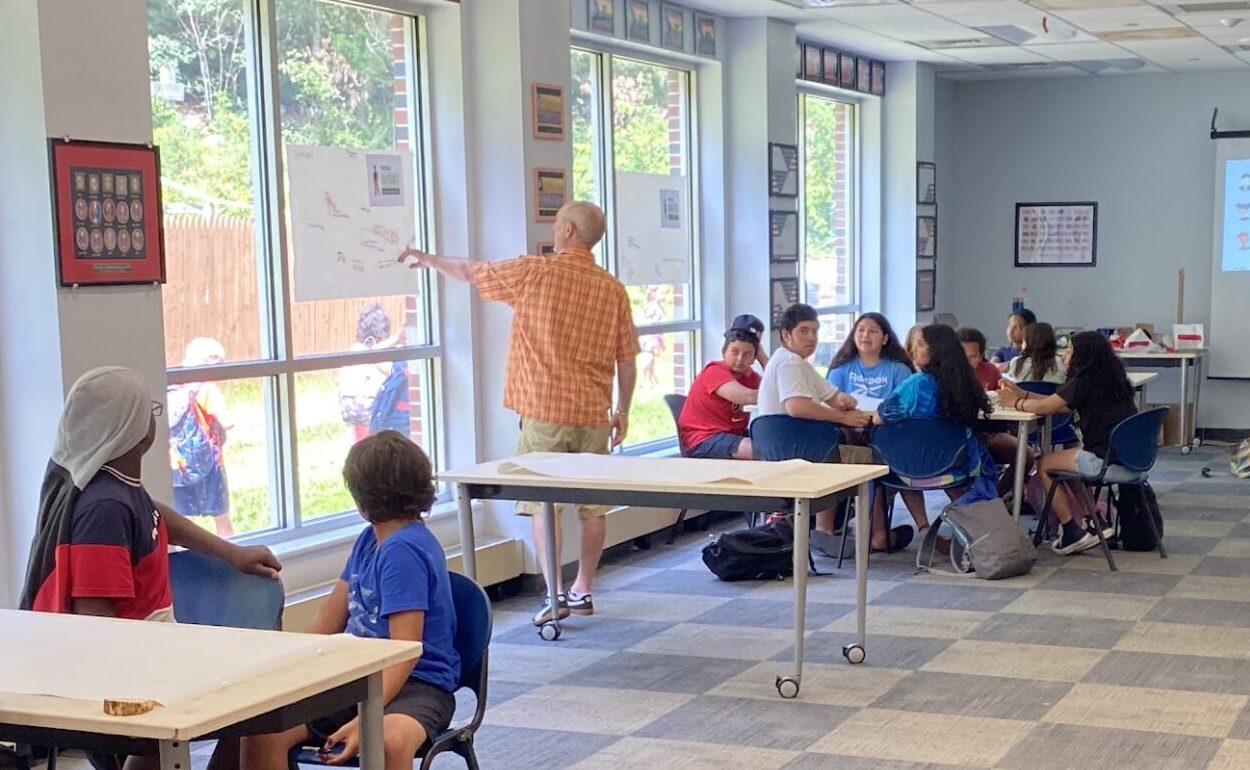
At Research Camp, kids take on real-world research and design challenges while experiencing the best of summer camp. By using participatory research methods, we uncover kids’ ideas, emotions, and experiences—helping our clients gain deep, meaningful insights.

Want a sneak peek at our new Denver camp? Check it out here.

Curious about Research Camp and how to get involved? Learn more: here!

We can’t wait to see how our Denver campers bring fresh perspectives to our research.

Exciting news! We’re hiring for two new positions, a Senior UX Researcher and Quantitative Research Analyst!

Both positions are full-time roles located in the New York City Metropolitan Area, with some flexibility for remote work. They also offer valuable experience and exposure to the world’s best-known brands and organizations, and a competitive salary and benefits.

This is your opportunity to join our award-winning and innovative team, so if these positions sound like something you’re interested in, please explore the detailed descriptions below. Applications may be submitted via LinkedIn. We’re looking forward to receiving yours!


Senior UX Researcher:

Role Description

This is a full-time role for a Senior UX Researcher located in the New York City Metropolitan Area, with some flexibility for remote work. The Senior UX Researcher will be responsible for conducting user research, applying design thinking methodologies, and utilizing human computer interaction principles to help create innovative user experiences. We’re looking for excellent communicators who are knowledgeable about research devoted to understanding people, and curious about the relationship between technology and society. They will also need to be comfortable in a fast-moving organization, open-minded about learning new research methods, committed to high-quality and rigorous research, and focused on contributing to the growth and success of Fluent Research.

Key Responsibilities

The Senior User Experience Researcher will work with internal and external stakeholders across functions and levels to help them understand user needs at all stages of product development. The Senior User Experience Researcher will be responsible for conducting primary research such as field studies, interviews, diary studies, participatory workshops, ethnography, surveys, usability testing, and data analysis.

∙ Work with clients to define and set project specifications/objectives

∙ Design and execute end-to-end custom primary research using a wide variety of methods

∙ Prepare project proposals, including securing estimates from all parties and managing costs with suppliers

∙ Develop research instruments, including screeners and interview protocols

∙ Perform or monitor online programming and testing of research instruments

∙ Moderate focus groups, interviews, diaries, and ethnographies

∙ Conduct qualitative data analysis, generating insights that both fuel ideation and evaluate designs

∙ Write written reports and presentations of research findings, including data visualizations

∙ Communicate results and illustrate suggestions in compelling and creative ways

∙ Present research findings to clients

∙ Contribute to Fluent’s proprietary studies and thought leadership research

Qualifications

∙ Experience conducting user research and using UX research methods

∙ Strong analytical skills

∙ Experience with design thinking methodologies

∙ Knowledge of human computer interaction principles

∙ Excellent communication, collaboration, and interpersonal skills

∙ Master’s or PhD degree in Human-Computer Interaction, Cognitive Science, Statistics, Psychology, Anthropology, related field, or equivalent practical experience

∙ 4 years of experience in an applied research setting, or similar

∙ 2 years of experience conducting UX research on products, managing projects, and working either in a technology or media company or an agency specializing in UX research


Quantitative Research Analyst:

Role Description

This is a full-time role for a Quantitative Research Analyst located in the New York City Metropolitan Area, with some flexibility for remote work. The Quantitative Research Analyst will be responsible for conducting research, analyzing data, and generating quantitative insights for our clients. The role involves working closely with the research team, project managers, and clients to design and execute research studies and provide actionable recommendations based on data and insights.

Key Responsibilities

The Quantitative Research Analyst is responsible for designing and conducting public opinion and market research studies, including designing methodology and sampling plans, developing survey questionnaires, monitoring data collection and conducting quality controls, conducting statistical analysis of data, and writing reports of research findings.

∙ Work with clients to define and set project specifications/objectives

∙ Design quantitative research studies, including methodology and sampling plans

∙ Prepare project proposals, including securing estimates from all parties and managing costs with suppliers

∙ Develop survey questionnaires

∙ Perform or monitor survey programming and testing

∙ Monitor data collection, including quality controls

∙ Create cross-tabulation and data analysis plans

∙ Conduct data analysis, utilizing sophisticated statistical techniques, including factor analysis, multivariate analysis, conjoint, max/diff analysis, segmentation analysis and other methods

∙ Write written reports and presentations of research findings, including data visualizations

∙ Present research findings to clients.

Qualifications

∙ Graduate degree in statistics or social sciences (psychology, sociology, or other related field)

∙ 3-5 years of work experience at a market research firm

∙ Proven experience managing multiple responsibilities

∙ Customer service orientation

∙ Strong written and oral communication skills

∙ Ability to derive meaning from data and translate data findings into actionable recommendations for clients

∙ Proficient in statistical software (e.g., SPSS, STATA, S+) and MS Office

∙ Exhibits creativity and critical thinking

∙ Is a team player and has the ability to work in a fast-paced environment

∙ Experience in Media, Technology, or Education is a plus


It’s Boston, January 2021, and I am standing in the middle of an empty schoolyard, with an audio recorder strapped to my belly. I’m holding a long boom pole with a big fluffy microphone, and my face just lost the ability to convey expression. It is, as we locals say, “wicked cold”.

My colleague, Fluent’s Director of Productions Heath Cozens, is pointing his camera at a focus mark on the ground, messing around with various buttons, knobs, and attachments. What we both know is that a slew of kids are about to come outside and, since they can’t stay out long due to the dangerous cold, and we have limited time to film them, there’s no room for mistakes with this shot.

Snow starts to fall, the wind picks up, and I raise my pole and call out to the gymnasium door for our first kid. Without hesitation, a seven-year-old girl runs up to her mark, displays her painting to the camera, says her name and age, and bolts back inside to comfort.

Personally, I love the cold, and I’m always happy to step out of my comfort zone. In this case, I’m working with a seasoned professional director, capturing some closing visuals for a documentary film, kicking off a professional collaboration and friendship that’s not only expanded my skillset but also given me an entirely new perspective on the world of data gathering, analysis, and reporting.

One of the truly unique aspects of Fluent and the vision of the President and founder, Nellie Gregorian, has been the way that video is used as a storytelling device to bring research to life and create the opportunity for deep connection with the people that we study. Initially, I regarded this approach as creative embellishment. Really cool stuff, but it was an add-on to the “real” research that it was being connected to. As I delved deeper and had the privilege of collaborating with our Director of Productions, Heath Cozens, I came to understand that it was far more than mere aesthetic flourish.

What struck me was the uncanny parallel between Heath’s documentary creation process and the research work I was familiar with. He meticulously compiled questions and goals, collected data, analyzed those data, and then wove a compelling narrative grounded in the data. This process felt very familiar, connecting easily to my training as a researcher.

What was new to me, or at least underdeveloped in me, was the artistry of his process. At each stage of production, Heath was unwavering in his pursuit of aesthetic excellence and in ensuring that the stakeholder’s experience was nothing short of exquisite. He would patiently wait for the perfect conditions, fine-tune lighting incessantly, and bear the physical strain of holding a camera up for what seemed like an eternity, all in the name of capturing an enlightening conversation between two eight-year-olds on a chilly January day. In the realm of academia, where I trained to be a researcher, scientific rigor was the sole beacon.

But Heath taught me that we need not sacrifice the artistry of our work for the sake of scientific rigor. This shift in perspective has breathed new life into my work and offers valuable insights for all researchers:

1) Always stand poised to seize a moment and be prepared to immerse yourself in it, however long it may take.

2) Ensure you do not overshadow the voice of the participant; their narrative should shine unhindered.

3) Recognize that every facet of the process holds significance, and each step should be executed with meticulous care and artistic flair.

4) And, at the very least, stay out of the shot!

As I continue to work with Heath, I look for new ways to learn from him and think not only about how we can incorporate more video into our reporting but also about how his methods can help our whole Fluent team see things through a different lens.

By Dan Warren, Director of Youth Development & Education. 

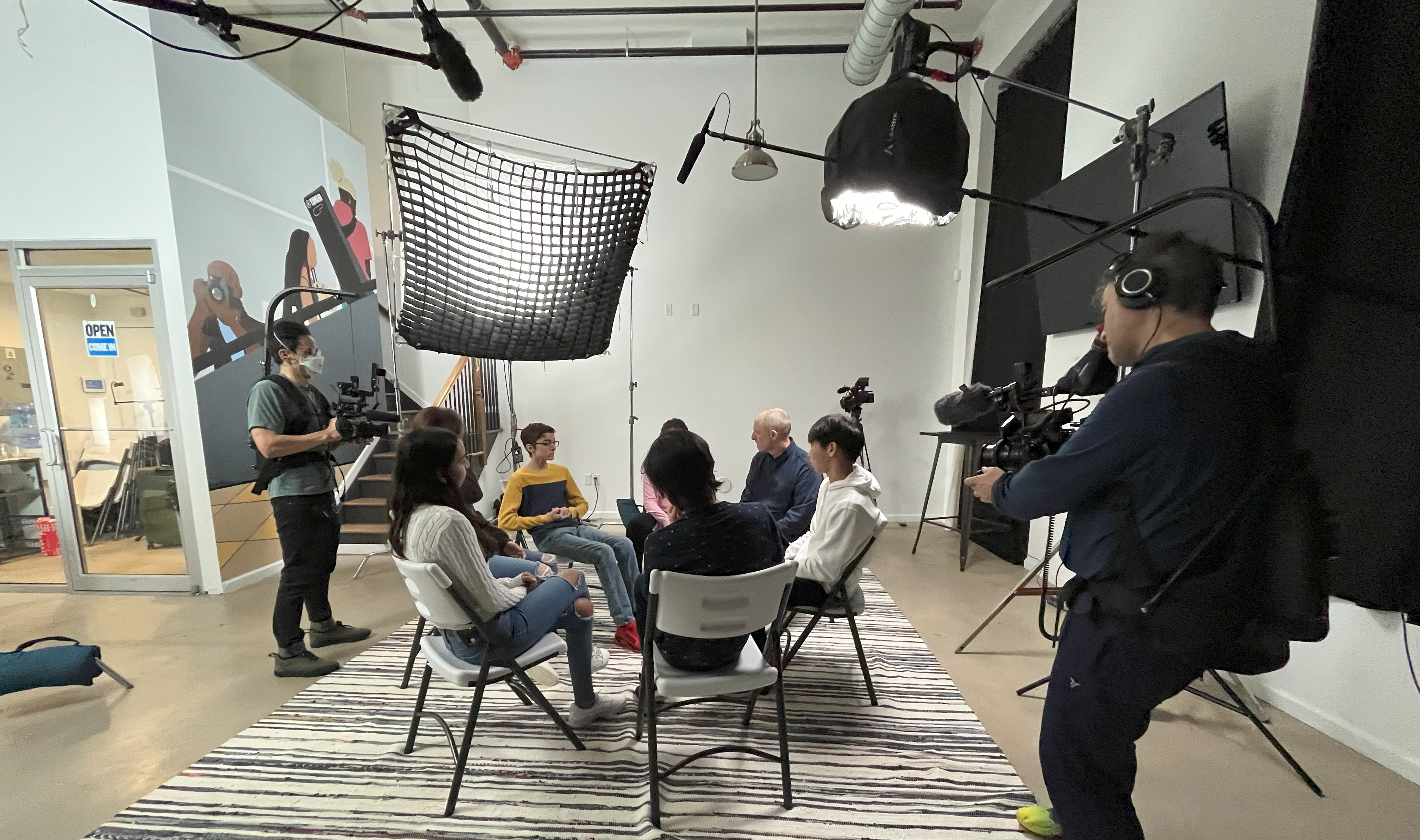
Image: Cinematographer Michael Werner (left) and director Heath Cozens (right) film a discussion led by Dan Warren (center).

Recently, we attended the Digital Media and Developing Minds International Scientific Congress in Washington, DC, which was organized by the Children and Screens Institute of Digital Media and Child Development. This unique event brought together clinicians, advocacy leaders, teachers, and researchers. Expertise among attendees included medicine, developmental psychology, and experimental psychology. The conference aimed to foster collaboration and exchange of ideas concerning children’s health and safety in relation to digital media use.

Key Themes

During the three-day event, which featured more than 15 talks and panels, several key themes emerged:

The Impact of Screen Media on Minoritized Youth

Discussions revolved around both the positive and negative effects of screen media on LGBTQ youth and youth of color.

Challenges of Under-Connected Youth

There was a focus on the limitations faced by under-connected youth and the need for equitable access to digital resources in the global south.

Data Deficiency on Young Children

Participants noted the lack of comprehensive data on young children’s digital media usage.

Privacy and Security Concerns

Topics included discussions on data ownership (parents vs. children) and the need for improved privacy and security measures for children online.

Updated Policies

There was a consensus that the Children’s Online Privacy Protection Act (COPPA) is outdated and that age gates alone are insufficient to safeguard children in today’s digital landscape.

Mental Health Implications

Speakers addressed the impact of digital media on the mental health of youth, including externalizing behaviors and bidirectional effects.

Youth Advisory Panels

Experts highlighted the value of involving youth in decision-making processes and participatory design research.

Parental Support and Contextual Influence

Panelists discussed how the context of home environments has impacts on children’s media use and potential dependence on screen time.

We found the conference  thought provoking and inspiring. It was a great opportunity to listen to interesting figures in the field and gain new perspectives that will inform our future work. This event served as a reminder that stepping away from daily tasks to attend conferences may lead to new ideas.


By Allison Caplovitz & Tiffany Salone

Research Camp is an immersive experience for both youth and clients. For the kids, it involves engaging in a full schedule of camp activities and participating in research for a brief period each day. Clients have the opportunity to witness children grapple with their research or design questions in real life while also interacting with them informally. What makes this experience unique is that we conduct the research in a fun and engaging environment: Camp. Research Camps take place in cities across the US at established camps that hold sessions during school vacations and in the summer. The incentive for youth participation is a week of the camp’s tuition at a significantly reduced price.

At Research Camp, we explore the world through the eyes of children. Using a range of qualitative research methodologies, we aim for deep insights into their thoughts, feelings, and experiences to answer our client’s research questions. Over the past few weeks, we’ve published articles about how Research Camp came about and how we found our first participants. In this article, we’ll focus on how we leverage a convenience sample and five qualitative research methodologies to understand and enhance the lives of children.

Convenience Sampling – A Quick Entry Point

Research Camp relies heavily on a convenience sampling. A convenience sample is just that, convenient, because participants are selected based on ease of recruitment over randomness. It is particularly helpful when conducting exploratory or formative research because it allows us to gather data quickly from children who are either attending the camp or already interested in going. Convenience sampling tends to be time efficient and cost effective compared to other sampling methodologies, making it a great choice when appropriate.
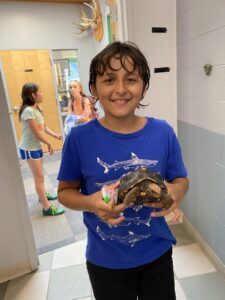
Convenience sampling, however, comes with its limitations. Since participants aren’t randomly selected, the sample may not accurately represent the broader population, thus limiting the external validity of the research. Additionally, the absence of randomness in the selection process makes reliable estimation of sampling error problematic and, therefore, precise statistical inferences and hypothesis testing doesn’t really work. For our purposes, the convenience sample is perfect, but researchers must be aware of the drawbacks when designing and interpreting convenience sample-based studies.

Qualitative Research Methodologies We Use with Kids at Camp

Because children have unique perspectives and experiences that may not always be adequately captured by utilizing one research solution, we use five different qualitative research methodologies at Research Camp. These methodologies were chosen to generate rich data to help us explore nuanced responses, emotions, and stories that go beyond data from surveys or questionnaires to provide a more holistic view of children’s experiences and opinions.

1. Focus Groups – Exploring Children’s Perspectives

One of the primary qualitative methodologies we use is focus groups. In a focus group a skilled moderator guides a small group of children through discussions on specific topics. This methodology offers several advantages:

        • Careful Participant Selection: We ensure that the children in our focus groups are uniquely positioned to provide valuable insights into the topic under investigation.
        • Experienced Moderation: Our moderators have backgrounds in child psychology or education, creating a safe environment for children to express themselves.
        • Age-Appropriate Sessions: Recognizing children’s shorter attention spans, our focus group sessions typically last 45 minutes to an hour and may involve engaging activities like games or storytelling.


2. In-Depth Interviews – A Personal Connection
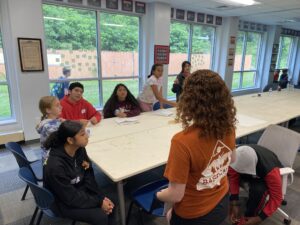
In-depth interviews (IDIs) with children are another valuable qualitative methodology we use during Research Camp. These semi-structured interviews facilitate detailed discussions with children on a wide range of topics. Conducting in-depth interviews with kids provides two benefits to the research process:

        • A Child-Centric Approach: In-depth interviews allow us to adapt questions to the child’s developmental stage and cognitive abilities, ensuring age-appropriate interactions.
        • Building Trust: Conducted in a one-on-one, non-threatening environment, these interviews often lead to stronger connections between children and researchers, fostering more honest and open responses compared to focus groups.


3. Child Ethnography – Immersed in Their World

Child ethnography, a specialized form of ethnographic research, plays a crucial role in Research Camp. This qualitative methodology involves immersive, long-term fieldwork to study the lives of children within their cultural and social contexts. We do this both on-site at the camp as well as in the homes of some of the campers outside of the camp hours. Child ethnography is invaluable because it provides:

        • Deep Insights: Child ethnography provides a holistic understanding of children’s daily lives, experiences, and perspectives by allowing the researchers to see things play out over a longer period in a more natural environment.
        • Cultural Context: Ethnographies can help researchers explore how cultural norms, values, and practices shape children’s experiences and development, offering insights into their socialization.


4. Observations – Becoming part of the scene

Nothing has been more effective than getting into the thick of it with kids. By interacting with youth through observations and immersion during Research Camp, researchers spend time with children, observe their interactions, and engage in informal conversations. Observations have some specific benefits:

        • Immersive Insights: Observations and immersion provide authentic insights into children’s lives by creating the opportunity to see kids over a longer and less contrived period of time.
        • “Quantity” time: By creating a wider timeframe to observe kids, we increase the possibility of kids becoming more comfortable and, therefore, authentic. It also makes the space for other unintended insights that can provide some of the most profound breakthroughs.


5. Co-Creation Sessions – Collaborating with Children
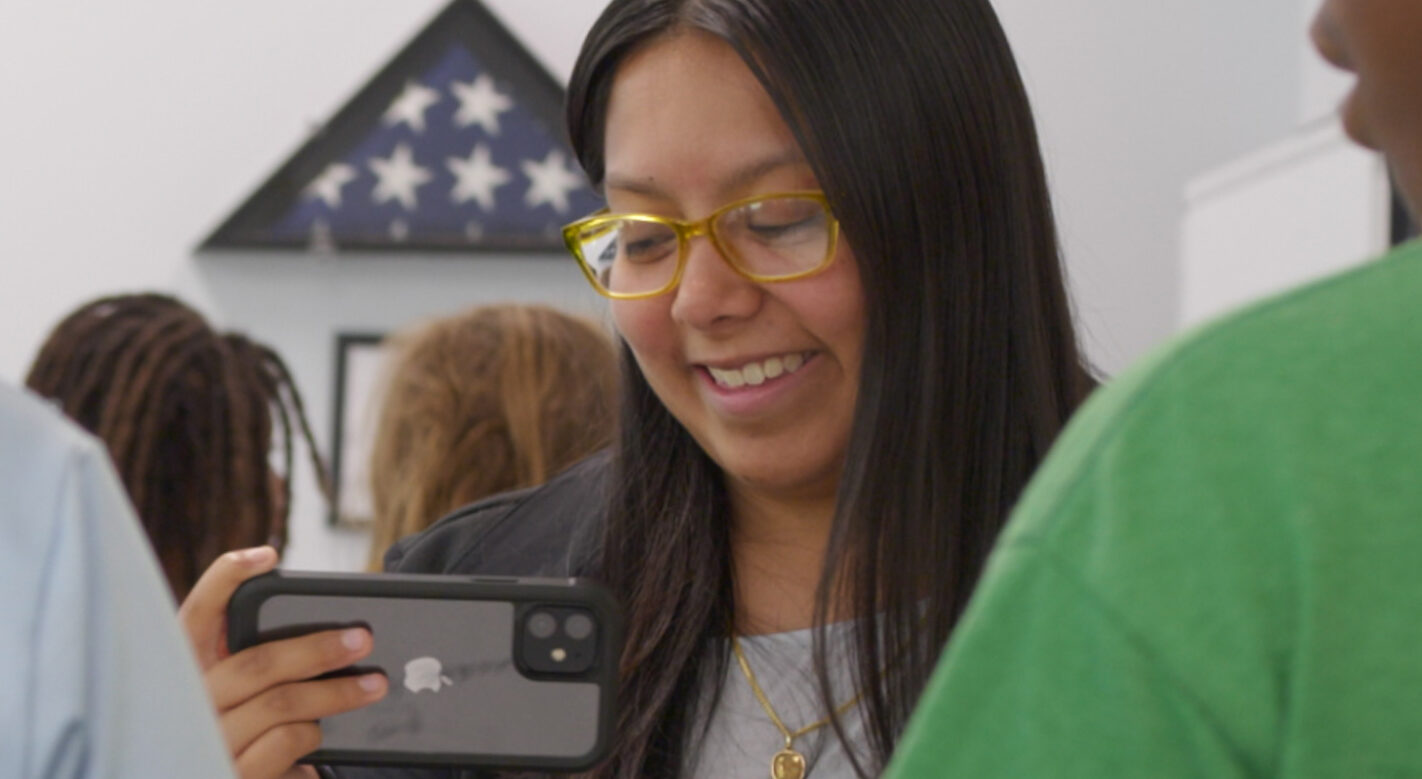
Co-creation sessions, when children are invited into the process of the design, development, or improvement of products or services, are an amazing and inspiring experience. Often, researchers and designers get stuck in a certain adult-centric way of thinking and need to enlist the help of kids to create alongside them. Co-creation is great because it provides:

        • Fresh Perspectives: Children offer fresh, imaginative, and innovative viewpoints that can lead to creative solutions.
        • User-Centric Solutions: Co-creation ensures that products or services are tailored to children’s needs and preferences, enhancing customer satisfaction.


Research Camp employs a range of qualitative research methodologies to unlock the unique perspectives and experiences of children. From focus groups and in-depth interviews to child ethnography, observations, and co-creation sessions, these methodologies help us understand, empower, and advocate for children in a world that often, intentionally or not, misinterprets or tunes out their critical voices.

By Dan Warren, Director, Youth Development & Education

When I was younger, I used to read a lot! Books were my gateway to exploring the world. Due to my family’s financial constraints, vacations and other summer activities were not available to me. Instead, books became my window to new cultures, places, and experiences.

Along with the movie The Parent Trap, the book Sleepaway Girls by Jen Calonita sparked my interest in going to summer camp and the possibility of forming lifelong friendships while experiencing all that nature had to offer. Inspired by this book and the movie, I immediately began researching different summer camps in my area hoping to recreate the adventures I had read about. Having been to summer camp, my neighbor recommended YMCA Camp Woodstock located in Woodstock, CT, describing it as a magical place and an experience he never forgot. Hoping to have that same experience, I reached out to the camp director directly and asked how I could go to summer camp too. While there were some scholarships left to partially cover the cost of attendance, I would have to pay the rest myself. Undaunted, I made it my mission to advocate for myself to attend. I begged my parents to let me go, got straight As that quarter to show my parents my commitment, and put together a potential payment plan if I were to attend.

After tirelessly advocating for myself, I was accepted into YMCA Camp Woodstock’s Leaders-In-Training (LIT) program – a six-week experience for teens that changed my life. I made some amazing friends from all over the world including Spain, France, and Italy. I participated in fun activities like kayaking, camping, learning camp songs, and competing in dining hall chant battles. I loved it so much that I returned to camp the next summer, eager to relive the magic of summer camp.

This summer, when Fluent announced plans for a research camp, I found myself in a position to pay forward the life-changing experience I had gained all those years ago. In partnership with New England Base Camp, Fluent arranged for a group of mostly Latinx tweens to attend day camp for two weeks where they could take part in all the camp activities, as well as research-related activities, including activity sessions and focus groups. To alleviate some of the cost, Fluent offered summer camp scholarships to the research participants, which deeply resonated with me. I was so excited for the opportunity to help others have that same amazing summer experience I had when I was growing up.
Unfortunately, I quickly realized that Latinx families have major reservations about the idea of summer camp because they immediately think that their child will be sleeping there, which raises major concerns for them. Most don’t realize that there are also day camps where kids just go for a few hours a day. I had to work very hard to reassure them they would be safe and would not be sleeping there since it was a day camp. I served as the main point of contact for them and their children. Knowing that I also come from a Latinx background and speak Spanish fluently, they felt much more comfortable opening up to me. I met with them individually before they enrolled to answer any questions and for them to get to know me as well. Once the camp started, they knew they could call or text me at any time, easing their concerns and solidifying mutual trust.

The stories of three tween girls who had recently arrived from El Salvador especially resonated with me. To attend this camp each day, they needed to travel roundtrip from East Boston to Milton, MA, yet their mothers worked 10-hour days and had no way of picking up or dropping them off at camp. Because the mothers had wanted to provide opportunities for their girls to practice their English, assimilate into their new home, and make new friends, they found a friend for the girls to stay with so they could be closer to the camp. I appreciated that the moms were trying so hard to have their daughters attend summer camp. Their experience touched me and reminded me of all the advocating I had to do for myself to attend camp all those years ago.
As camp ended, it was clear that these three girls had been positively impacted by their camp experience and left a lasting impression on the lives of their fellow campers. Yes, they had formed new friendships, but they had also become a source of support for each other and an inspiration to the camp as a whole. The oldest girl, an 8th grader, took on the role of translating for the other two. Together they helped other campers and staff practice their Spanish-speaking skills, and educated everyone about Salvadoran culture.

From the outside looking in, Research Camp had such a tremendous impact on the lives of these girls and I think that was very special. Reflecting on the summer and watching the campers navigate the program reinforced the idea that camp has the potential to serve as a catalyst for growth, resilience, and cross-cultural understanding.

By User Experience Researcher, Evelin Garcia.

In June, my colleague Amy Warren and I set out to recruit families from the Greater Boston and Providence areas for Fluent Research’s first ever Research Camp, a new and innovative take on community-based action research. For this inaugural camp, we focused on recruiting Latinx families for a GBH study funded by the National Science Foundation (NSF). But we were not just focused on hitting target recruitment numbers. Fluent’s Research Camp is about building genuine connections and embracing the diverse backgrounds of the communities that inform our research.

Anyone who has ever tried to recruit research participants knows it is no easy task, an uphill battle some may say. It requires a lot of time, energy, planning, and resources. The approach must be strategic, utilizing personal connections to tap into different networks. To make things easier, Fluent could have hired a professional recruiter and called it a day, but we wanted to connect personally with these families, hear their stories, and build bridges of trust.

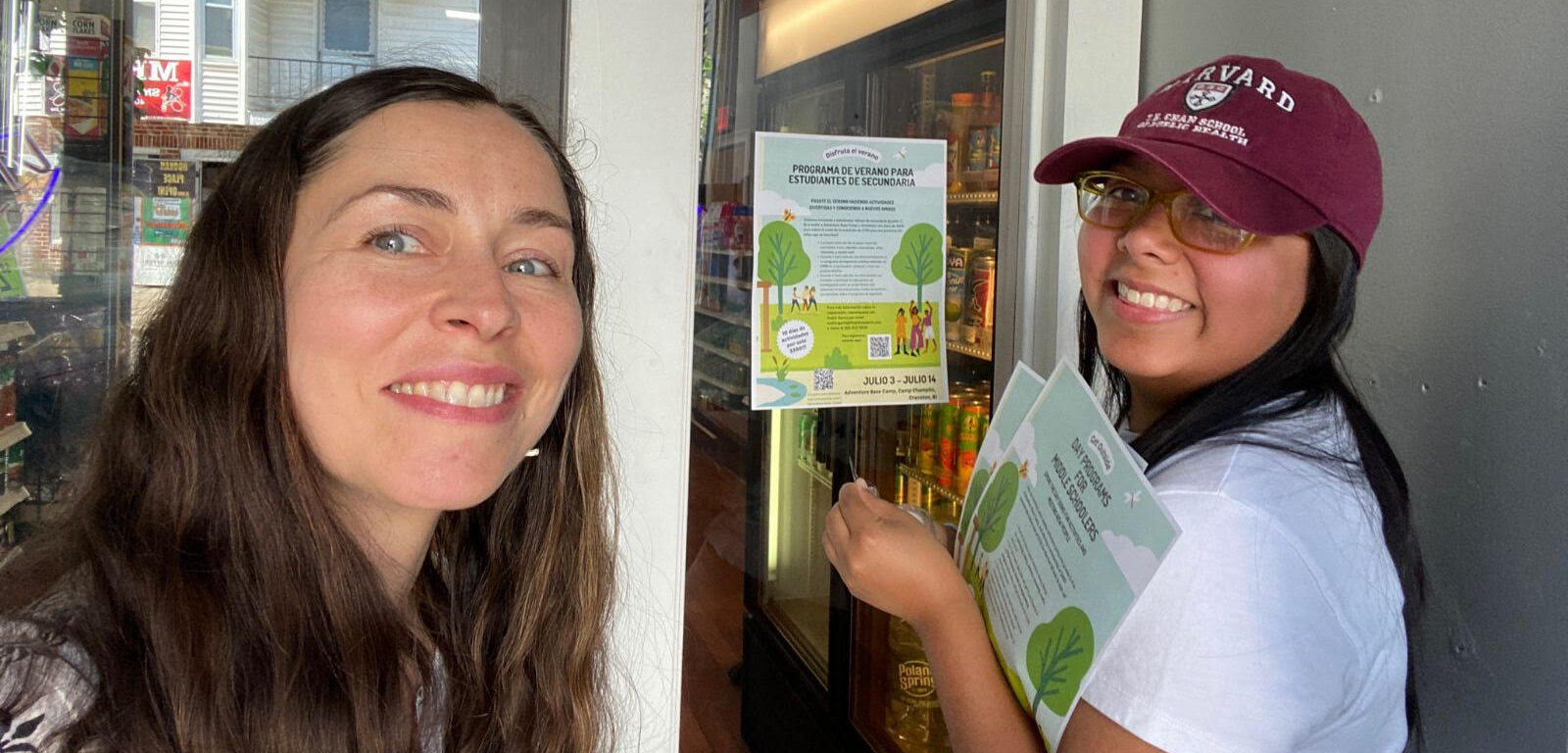
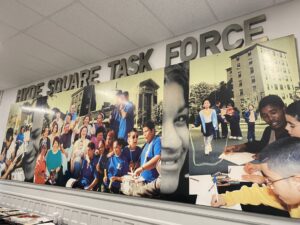
Armed with sunscreen, pushpins, tape, and stacks of flyers, Amy and I hit the streets of Boston and Providence in our most comfy sneakers to engage the community. Our recruitment journey was guided by a map we created of key locations where we could find our target population – bodegas, restaurants, laundromats, hair salons, schools, nonprofit organizations, etc. With a well-rehearsed spiel in English and Spanish, we set forth to talk to anyone who would listen.

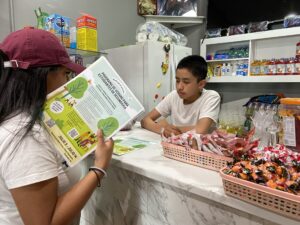
Interestingly, our journey turned into an immersive cultural experience. At each stop, we heard fascinating stories from really interesting people that reminded us of the resilience and diligence of the Latinx immigrant community. For instance, we met a business owner from El Salvador, who had recently written a book about the first Central American migrants who arrived in the US in the 1800’s, a story not many people know about. Another notable encounter occurred with two young boys who were spending their summer helping out at the cash register of their family’s store. One of them expressed interest in going to summer camp because it was something he had always wanted to do. Towards the end of the day, we visited a tortilleria, a shop that makes and sells hand-made tortillas. There, I chatted with a worker about how tortillas connect our two cultures, hers Guatemalan and mine Mexican.
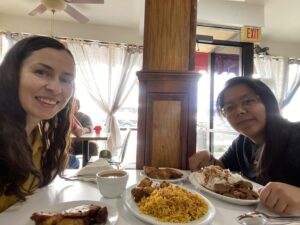
One major highlight was the opportunity to indulge in what felt like a culinary tour of Latin America. Amy and I tried dishes from a variety of cultures like Brazilian coxinhas, Colombian empanadas, Mexican agua fresca, and Dominican guisado de res, which made us feel more connected to the people we met.
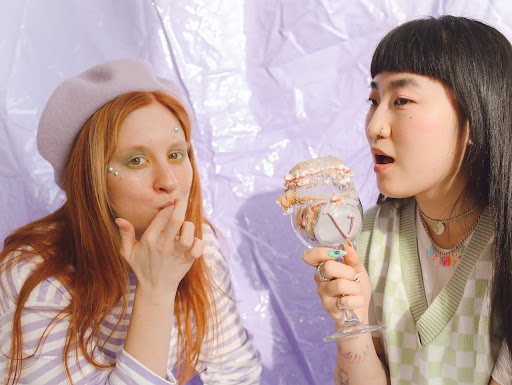

As a Mexican-American woman, I felt a great deal of responsibility and pride employing my own cultural background and roots to build bridges of trust throughout this experience. I value knowing that my upbringing, principles, and Spanish-language skills allowed Amy and I to form authentic connections that otherwise could not be formed by simply using a recruiting service.

As I reflect on our journey, I am reminded of the true purpose of research, to gain a genuine and ethical understanding of the human experience. It is more than just hitting recruitment numbers and it begins long before the analysis phase. The process of uncovering insights begins when we build true human connection, when we appreciate and experience diverse cultures, and when we collaborate on the ground with communities.

By Evelin Garcia, User Experience Researcher, Fluent Research

If you have had any interactions with a teen or young adult recently, I am sure you have heard the word “cringy” uttered more than once. Consider Chicken Shop Date interviews with Amelia Dimoldenberg and Taylor Swift’s infamous 2022 NYU graduation speech when she says “… learn to live alongside cringe,” as examples of the current cultural relevance of cringe. But how about “meta-cringe”? Trend forecasters predict that 2023 is the year of meta-cringe for Gen Z. While cringe is generally defined as embarrassment, awkwardness or discomfort about something or someone being out of touch, meta-cringe is defined as having an awareness that something is cringey and enjoying it anyway. A hallmark of meta-cringe is that it’s unclear whether the act is sincere or ironic, and because of that, the question about intent loses importance all together.

It makes sense that meta-cringe is having its moment. In the current political and social climate, Gen Z are inundated with news and trends that move at a speed far too fast to keep up with. Young people are understandably anxious about the state of the world and disillusioned with emerging adulthood for many reasons, including the war in Ukraine, mass shootings, climate change, and economic uncertainty. These feelings of distress, combined with Gen Z’s value of authenticity, leads young people to deliberately engage in absurd, awkward, and idiosyncratic cringe humor. Gen Z are no longer interested in projecting a perfect online image. Instead, they are rejecting the societal pressures of a flawless feed and the shame associated with cringeworthy moments, and in lieu of this, opting for curated cringe. This kind of humor is often an expression of nostalgia for the media and cultural trends of Gen Z’s adolescence from the 2000s to 2010s (i.e., Shrek raves, viral memes about 2000s emo singing impressions).

In our work at Fluent, where we often conduct research with Gen Z teens and young adults, we consider the cultural shifts and values that embody meta-cringe when trying to connect with and design for young people. Here are some ideas to keep in mind when working with Gen Z:

– Be Nostalgic: Find unique and easy ways for Gen Z to connect with the beloved digital and media world they grew up with (2000s to 2010s).

– Embrace Absurdity: Don’t be afraid to be cringy. Intentional or not, this peaks interest.

– Play with “when the curtain drops” moments: Focus on content that feels unstaged and genuine. Consider the trope of “when the curtain drops” or “the camera stops rolling” humor where the viewer gets a glimpse into the inner world of a character, or behind the scenes.

– Be Authentic: Be cringey, be real, as long as you are being truthful to you. A curated and manicured public image is not in style anymore.

– Cultivate personal and meaningful connection: Ensure that connection feels vulnerable, intimate and simple, perhaps with smaller groups of peers.

– Share the unfiltered self: Encourage sharing in a way that feels like unedited, first takes. Consider BeReal and Poparazzi as examples of apps popular among Gen Z that are designed for unedited and in-the-moment photo sharing.

– Be Relatable: One aspect of meta-cringe is the relatability of those moments of embarrassment, awkwardness or discomfort. It may be painful to watch, but the humor connects with Gen Z who are disillusioned with the perfect, filtered digital image.

Meta-cringe will influence Gen Z’s expectations and behaviors in the digital world. Young people are embracing their guilty pleasures and giving themselves permission to be themselves, IRL and online. We can view this carefree attitude as a way for Gen Z to express more vulnerability when they connect with others online.

Sources:
https://i-d.vice.com/en/article/qjkywp/meta-cringe
https://www.russh.com/tiktok-meta-cringe/
https://zeefeed.com.au/meta-cringe/
https://www.tiktok.com/t/ZTRWYP36o/

By Natalia Belchikov, User Experience Researcher, Fluent Research

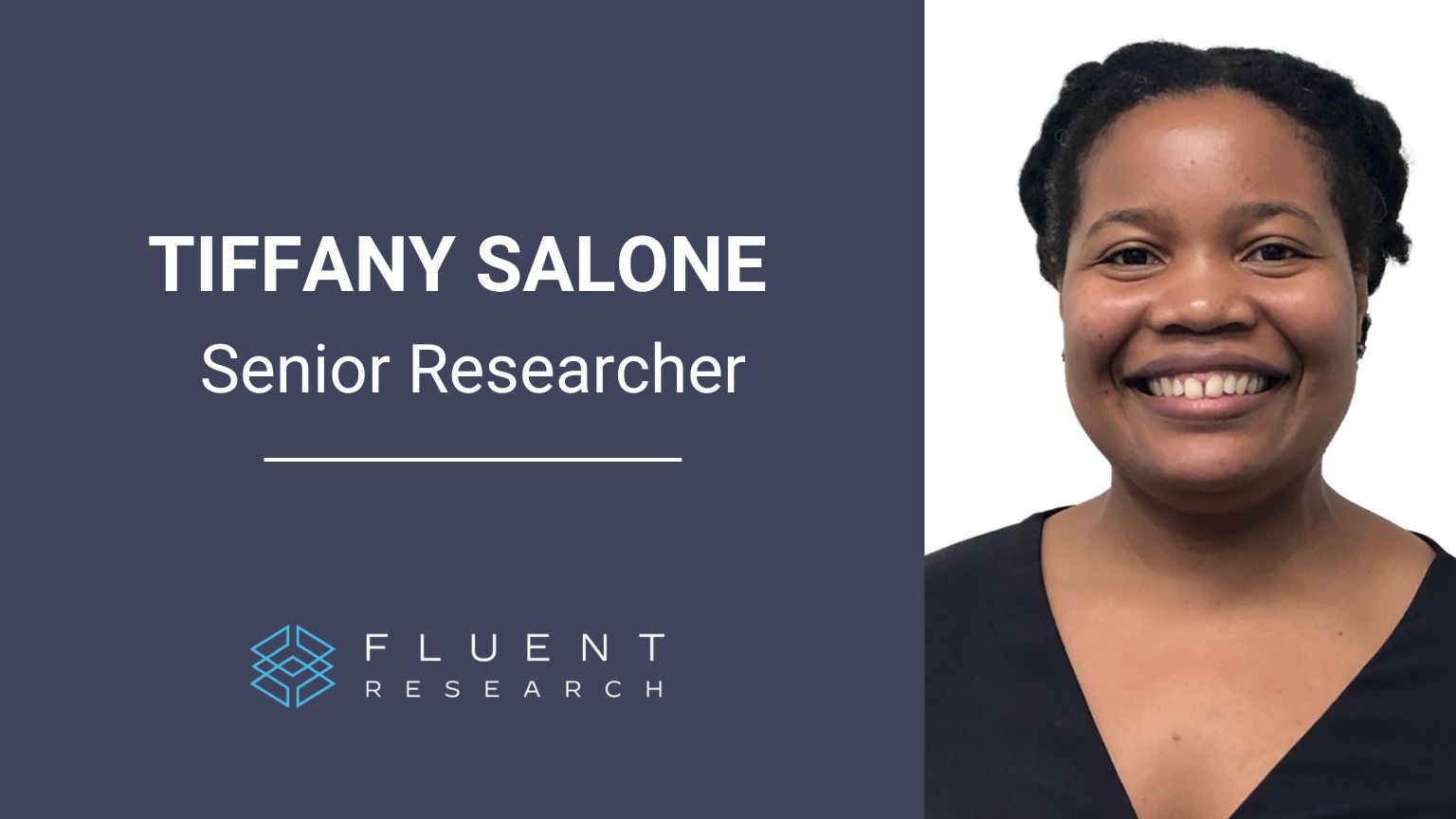
January 13, 2023 (New York, NY) – Fluent Research, a data and insights-driven strategic consulting firm, announced today that Tiffany Salone has been promoted to Senior Researcher. In this role, Tiffany will oversee a wide range of global research studies, informing the development of educational products and programs that benefit children, youth, and families.

“Tiffany excels at managing complex research projects, and she is an expert quantitative and qualitative analyst,” said Nellie Gregorian, Founder and President of Fluent Research. “Tiffany’s promotion acknowledges her contribution to our success and continuing growth.”

Tiffany has a deep background in technology and education. She is passionate about designing and conducting research that supports increased and equitable accessibility to education and technology, especially for young learners and their families. No matter what type of project she is working on, she is a consistent advocate for users, particularly those who are low-income or live in underserved communities around the world.

Prior to joining Fluent, Tiffany worked as a researcher in educational media and technology. Before working as a researcher, she spent eight years as a video producer, videographer, and editor of short documentaries and feature films.

About Fluent Research
Fluent Research is a data and insights-driven strategic consulting firm. Since 2006 Fluent has leveraged understanding of human behavior to help the world’s best-known brands and organizations advance worthy causes, innovate transformational products, and successfully navigate change. Fluent’s work centers around three practice areas: thought leadership research, formative research and evaluation, and social impact assessment. Fluent has applied rigorous and innovative research solutions in service of promoting children’s access to and quality of education, and gender equality in the U.S. and in over 70 countries around the world. Fluent’s creative arm, Fluent Productions, is an award-winning producer of original documentary content that harnesses the power of visual storytelling to bring attention to important issues facing our society, to build empathy and inspire action.

Contact: Stefanie Cousins
[email protected]


When I joined Fluent as a User Experience Researcher I was most looking forward to acquiring interview moderation skills. It was crucial to me that I be well prepared to speak to participants in a way that elicited relevant insights and encouraged them to share their experiences openly. I felt nervous, of course, as I questioned my ability to conduct a successful interview that would produce informative insights.

That’s when it hit me. Moderating an interview has a lot of similarities with conducting a therapy session.

Back in my undergraduate days at Washington University in St. Louis, I was a part of a peer-counseling club. There, I took part in 100 hours of training on how to be a good listener and create an open environment for someone to share their emotions and personal experiences. As I prepared to moderate my very first interview at Fluent, I called upon the following skills that I learned as a peer counselor.

1) Keep It Simple: Whether it’s talking to a client in therapy or moderating a market research interview, it’s important that the interviewer keep their talking time to a minimum. Oftentimes, when we ask a question, we feel the need to add on or explain what we’re trying to ask to create less confusion for the interviewee. However, I have found through these conversations that adding on to a question in an attempt to create clarity, can actually lead to more confusion. Keep your questions concise. If the participant doesn’t answer your question fully, you can always follow up with a probe. This will give the participant more space to speak, with a clearer understanding of what is being asked.

2) Mirror Language and Summarize: In a therapy session, you wouldn’t want to refer to your client’s intrusive and spiraling thoughts as “anxiety” unless they used that term themselves. The same rule applies to research. When moderating an interview, it’s important that you take your participant’s lead. Using their words instead of your own allows them to tell their own story and, even more importantly, it lets them know that you’re listening.  Whenever you can, summarize the points that participants make. This type of active listening helps ensure that you are both on the same page and gives them a space to reflect on what they have just shared.

3) Leave Room for Silence: Oh, the dreaded awkward silence. We are so accustomed to filling the space when no one is talking. However, in both therapy and research, silence can be extremely valuable. In therapy, silence allows clients to sit with emotions that they may not have allowed themselves to ever feel before. In research, silence gives the participant a chance to sit with their thoughts and formulate an idea. If you as the moderator cut off the silence before the participant’s thought is fully formed, you might miss out on an informative insight. Instead of words, fill the silence with non-verbal communication such as head nodding or eye contact. This way, the participant knows you are listening and eager to hear their next thought whenever they are ready.

4) Create an Open and Judgment Free Zone: The most valuable tool for a therapist or moderator is the ability to make someone feel comfortable. In a research interview, creating an open and safe space will increase the likelihood that a participant shares their thoughts in depth, thereby producing fruitful insights. Build rapport with participants the way that a therapist would with their client. It will greatly impact both the quality of conversation and the quality of research.

The past three months at Fluent have given me the opportunity to conduct both remote and in-person interviews with parents, children, teens, and adults. Over time I have learned that no two moderators are the same. What sets Fluent apart is our willingness to leverage different moderation styles. My colleagues have encouraged me to find my own style of speaking with participants: one that feels true to myself. I have been so impressed with my colleagues’ skills at creating connections with participants in the first few minutes of an interview. At the end of the day, Fluent’s number one priority is creating open spaces for participants to feel safe and comfortable sharing their candid opinions. I know that I am in good hands here to continue improving my interviewing skills.

By Lia Abrams