Kids


We’re beyond excited to announce that Research Camp is growing! In addition to our beloved Boston location at New England Base Camp, we’re launching a second site at Colorado Adventure Point in Denver.

Why Denver? Colorado Adventure Point is an incredible 20,000-square-foot Scouting and adventure education facility featuring:

• A two-story rock-climbing wall
• Archery & air rifle ranges
• Technology & culinary labs
• An outdoor adventure park

At Research Camp, kids take on real-world research and design challenges while experiencing the best of summer camp. By using participatory research methods, we uncover kids’ ideas, emotions, and experiences—helping our clients gain deep, meaningful insights.

Want a sneak peek at our new Denver camp? Check it out here.

Curious about Research Camp and how to get involved? Learn more: here!

We can’t wait to see how our Denver campers bring fresh perspectives to our research.

On February 11, the world celebrates the International Day of Women and Girls in Science. This day is dedicated to recognizing the achievements of women in STEM (Science, Technology, Engineering, and Mathematics) fields. It is meant to inspire the next generation of girls to pursue scientific careers. Despite progress over the past few decades, women remain underrepresented in many STEM disciplines (i.e., engineering, physics, and computer science). 

For more than a decade, I’ve studied how exposure to STEM can shape the trajectory of a child’s aspirations. Early exposure to STEM and the representation of women in STEM are especially critical to helping girls seem themselves as scientists.

The Problem: Underrepresentation of Women in STEM

The underrepresentation of women in STEM is not just a question of current numbers. It is deeply tied to the ways in which girls perceive STEM fields from a young age. One well-known tool for measuring these perceptions is the “Draw-A-Scientist” test. This research method has been used for decades to analyze how children envision scientists. 

A meta-analysis of children’s drawings found that early elementary school children drew male and female scientists in nearly equal numbers. However, high school students depicted male scientists four times more frequently than female scientists. This trend was even more pronounced among girls. At age six, about 70% of girls drew female scientists, but by age 16, only 25% did (Miller et al., 2018).

When girls don’t see themselves reflected in STEM careers, they are less likely to believe they belong in those fields. This can affect their motivation to pursue advanced coursework in science and math, reducing the likelihood of a STEM career. But research also shows a solution. Early exposure to STEM learning opportunities and female role models can foster a lasting interest in STEM.

The Importance of Early STEM Exposure

Research has consistently demonstrated that early exposure to STEM concepts and experiences can shape children’s long-term academic success and career aspirations (Bustamante et al., 2023). So how can parents, teachers, and mentors help foster a love of STEM in girls? There are several evidence-based strategies that can make a real difference.

1. Build a Better STEM Foundation with Toys and Spatial Talk

Play is a powerful way for children to develop STEM-related skills without even realizing it. Everyday toys and games like blocks, puzzles, and Legos are powerful ways to promote spatial reasoning, critical thinking, and problem solving. Research shows that early spatial reasoning (the ability to mentally manipulate shapes and objects) is a strong predictor of later success in engineering and math.

Importantly, playing with kids rather than having them play alone helps to increase enjoyment and scaffold their learning. For example, adults and kids can try building a tower together and predicting when it will fall over. Then, they can problem solve together to figure out how to prevent it from falling over again. 

Using spatial language (e.g., words like “up” “small” and “flip”) can enhance children’s spatial reasoning skills during play. Studies have found that parents who use more spatial language with their children see improvements in their children’s spatial abilities, especially for girls (Pruden & Levine, 2017).

2. Choose High-quality STEM TV Shows and Games

Representation matters. Media that portrays women and girls as capable scientists can help normalize these roles and inspire young viewers. One notable example is PBS’s SciGirls, a show that follows real girls engaging in STEM, from designing technology to conducting environmental research. Similarly, PBS’s Odd Squad TV series and games introduce children to problem-solving concepts in a fun, detective-style format that spotlights female characters. 

Fluent Research has partnered with similar organizations to conduct research on the impact of exposure to math games on children’s math learning. We have found that such games had a positive impact on foundational math skills. TV shows and games focused on STEM not only promote these important skills, but can challenge stereotypes of girls in STEM fields.

3. Give Girls more Real-World STEM Experiences

Extracurricular STEM programs provide girls with opportunities to explore science and technology outside the classroom. Organizations like Girls Who Code offer free programs that teach girls how to code in supportive, collaborative environments. Similarly, STEM-focused exposure to programs like summer camps and science fairs provide hands-on experience to a variety of STEM concepts that can pique their interest.

Programs that bring scientists and engineers into classrooms can also have a significant impact. Schools and community organizations can invite female professionals to speak about their work as scientists, engineers, and data analysts. When girls meet women in STEM careers, they recognize that success in these fields is both attainable and important.

Supporting the Next Generation of Women in STEM

Supporting the next generation of women in STEM is crucial for expanding the roles women play in these fields. Promoting girls’ interest in STEM is not just about creating opportunities. It’s about challenging stereotypes, providing role models, and fostering environments where girls can build confidence in their abilities. At Fluent, we are dedicated to conducting research that supports children’s engagement with STEM. By supporting these initiatives, we help ensure that the next generation of scientists and leaders in STEM includes more girls.

Written by Kelly Sheehan, Senior User Experience Researcher at Fluent Research

 

In 2023, I published a blog post titled, Gen Z Maximalism: More is More, exploring the meaning and impact of Gen Z Maximalism on young people and culture at large. This aesthetic has significantly shaped youth culture and captured the attention of mainstream publications like The New York Times and Vogue.

Over the past year, Gen Z Maximalism has evolved beyond an aesthetic to a lifestyle, an act of self-care and emotional outlet, influencing how young people approach personal style and curate their physical and digital spaces. Even more recently, other media outlets have taken an interest in this design trend, including NPR, House Beautiful, and The Spruce. Curious about some trends in the chaotic yet joyful world of Gen Z Maximalism? Here’s are some concepts you can add to your repertoire:

Chaotic Customization
This term captures the hyper-personalization and individualization embodied in Gen Z Maximalism. Shifting away from “clean girl” and “quiet luxury,” young people are embracing expressive, layered looks that blend styles, colors, and textures, transforming items into unique and multifaceted expressions of identity. The trend was popularized when Jane Birkin’s personalized handbag charms went viral on TikTok, sparking interest in decorative adornments. As a result, the market for unique accessories like phone lanyards and keychains have risen, and brands are responding with more customizable options.

Dopamine Decor
This concept is about creating environments that spark joy and positivity such as bright colors, playful objects, and whimsical designs. This approach transforms living spaces into sources of happiness and inspiration, serving as a form of self-care. It seems to be the offspring of a “dopamine menu,” which refers to a curated selection of items, experiences, or activities designed to evoke joy and stimulate happiness.

Glimmers
This term falls under the umbrella of Dopamine Decor. Glimmers encapsulates the small details that are designed to spark joy and bring a sense of magic to everyday life. Whether it’s a sparkling chandelier, a quirky piece of art, or a lush indoor plant, these glimmers elevate spaces, adding beauty and something intended to make you smile.

Gen Z Maximalism takes customization, self-expression and creativity through design choices to a new level, by embracing diverse influences and allowing for playful experimentation. This aesthetic empowers young people to craft unique environments that truly represent who they are and spark joy, even in the face of uncertainty.

By Natalia Belchikov, User Experience Researcher

It’s Media Literacy Week, and this year’s themes are Access, Analyze, Evaluate, Create, and Act. As a researcher studying how children and families interact with media and technology, I see the need for media literacy in nearly every project we work on, so I thought I’d reflect on how each of these themes have shown up in our work.

Access:

How, when, where, and how often people have access to the tools, technology, and digital skills necessary to thrive.

Access to media literacy education is key to all of our work. Too often in the media and technology space people assume that everyone has equal access to the internet or to quality devices. On top of that is the assumption that having technology is the same as understanding and being skilled with technology. Engineers and researchers make this assumption, but parents often make it as well. Remembering that everyone has something to learn as they access and navigate technology and digital spaces—not just parents or technophobes, but kids and early adopters as well—helps to check these assumptions, be more inclusive, and ask good questions in our research.

Analyze:

The process of asking questions about a piece of media in order to identify authorship, credibility, purpose, technique, context, and economics.

Imagine taking everything you read at face value, trusting everything as true and right, and starting that process over again with each new piece of information without weighing it against the first. It sounds like an anxiety-inducing, exhausting existence, one bound to create confusion or a tendency to jump to conclusions as you try to make sense of the world. I’ve seen this firsthand when talking to parents who have teens and tweens with access to the internet. What threats are out there? What controls do you have to protect against them? How can you protect others when you feel helpless yourself? The parents who seem the least harried are the ones who know how to analyze information and who arm their children with the skills to analyze for themselves.

Evaluate:

Drawing one’s own meaning, judgment, and conclusions about media messages based on the information gathered during media access, thoughtful analysis, and self-reflective interpretation.

One key component of recent children’s media research has been the power of co-viewing. One of the benefits is being there to help young children evaluate what is happening and draw connections between what they are seeing and what happens or could happen in their own lives. These evaluation skills go beyond children’s media—the idea of taking those separate pieces of information and drawing one’s own conclusions seems basic but should actually be something everyone considers with each swipe, each article, and when interpreting data.

Create:

Media creation is a form of expression. It encompasses learning how to express ideas through media and communication tools and using that power to create media narratives beyond those that exist in mainstream media.

Creating media is actually at the heart of so much of Fluent’s work. Every time we ask a participant to submit a written response, we have to assume that they have all of the other media literacy tools at their disposal before considering our questions and developing their own unique responses. It’s a skill we often take for granted, but we benefit so much from those who have facility with media creation.

Act:

The culmination of accessing, analyzing, and evaluating media messages.

This one is my favorite because it’s the one we do as researchers and as human beings all the time. Taking in the information around us and making sense of it, to ourselves, to friends and family, to coworkers and vendors, and to participants, is something we do every day. It is a privilege to be able to act on the information we have at our disposal, one that we can do best when we are media literate. This is why it is so important that everyone can analyze, evaluate, and create their own ideas and their own story.

I hope everyone has a wonderful Media Literacy Week!

By Tiffany Salone, Senior Researcher.

In our research with families and children, mental health and wellbeing come up often. The families we work with are often oriented towards addressing the day-to-day logistics and needs within their household. However, parents are constantly reflecting on the broader state of their own wellbeing and that of their children. Likewise, the young people we speak to are not only acutely aware of their own highs and lows, but those of their family members and their household at large.

Children of all ages have a lot on their plates today. More students than ever have aspirations to attend college. Young people’s schedules are packed with extracurricular activities, part-time jobs, family commitments, and social activities. The landscape of opportunities for children to learn, grow, and achieve is ever-increasingly active and competitive. It is no surprise that many of the kids our team works with often talk about experiencing stress from the pressures of school, sports, family, and social expectations.

Across disciplines, scientists and experts have observed increasing rates of reported mental illness in younger populations. This is the reality that all industry sectors have had to reckon with over the past several years and are still learning how to address. The chaos of day-to-day life wears on individuals, as does the mental impact of the various national and global crises that have occurred over the course of the last few years. At Fluent, many of our clients are eager and motivated to design products, services, and strategies that can directly aid parents, teens, and families in navigating stress at all levels.

As a UX researcher working on many of these projects, I have had a direct role in gathering research around mental health-oriented initiatives. As a designer and anthropologist, a few key themes have become clear to me as takeaways that the broader UX and product design world should keep in mind when designing for youth and families. None have become more apparent to me than the restorative and life-giving value of helping individuals connect with their own creativity.

The ability to create and observe the creativity of others has multiple beneficial dimensions, but some of the most important elements include:

1) Creativity is multidirectional, and comes in an infinite amount of forms.

There is no one way to express yourself. Creative pursuits can be individual, but they can also help individuals find community and connect with others. Both the act of creating and consuming works created by others offer individuals the opportunity to experience joy and connection in different ways.

2) Creativity helps individuals express and connect to themselves.

Many of the individuals we speak with talk about how creativity, especially in digital spaces, helps them experiment with who they are, what they value about themselves, and how they want to be known by others. Similarly, finding a piece of art, music, or media that is resonant can be an exciting tool in self-discovery or community building. 

3) Creativity helps individuals alchemize difficult emotions or life experiences by creating pause and facilitating reflection.

During difficult life experiences, many of our participants have talked about turning to art, music, or other creative outlets to give themselves space for reflection and processing time.

Many of these outcomes like multidirectional exploration, positive self expression, and processing difficult emotions, have an overall positive impact on individual mental health and wellbeing. It is no surprise that more and more of our partners and clients across industries are turning to think about how they can support creative expression for individuals. There are a myriad of other ways the mental health crisis in the U.S. can and needs to be addressed. From a product design standpoint, the potential of what can be offered to individuals in terms of creative tools, outlets, forms of engagement, and joy is limitless. Moreover, they may hold the key to making the products and services people use every day more supportive of overall wellbeing.

By Charlotte Beatty, User Experience Researcher

The recent Common Sense Media report on Generative AI in schools and homes found that Generative AI has rapidly become part of everyday life for teenagers, particularly in education. From helping with schoolwork to sparking interest in future careers, AI is shaping how young people learn and interact with the world.

A key concern raised in the report is that many parents are unaware of their children’s use of these tools, which creates a gap in support and guidance as teens explore AI. In addition, the report reveals that many schools lack clear guidelines for AI usage, leaving students to navigate these tools on their own, often without explicit teacher approval. This can lead to confusion about how AI should be used appropriately. It is therefore essential for educators to facilitate discussions about AI in the classroom. When students participate in these conversations, they gain a more nuanced understanding of both the advantages and challenges that AI presents.

But the future of AI in schools goes beyond teaching students how to use it appropriately. AI has the potential to transform education itself, moving away from the traditional model of hours spent sitting in classrooms and listening to lectures. I recently learned of a school that exemplifies this shift: the Alpha School in Austin, TX, which has fully integrated AI into its curriculum. Instead of being confined to traditional classroom methods, students learn core academic subjects using AI tailored to individual needs and learning styles, which leaves more time to explore life skills like financial literacy, public speaking, and problem-solving. These new opportunities allow education to be more dynamic, flexible, and suited to the diverse needs of students.

Generative AI is here to stay. Rather than sweeping it under the rug, parents and educators should embrace the technology, set clear rules, and teach teens how to use it responsibly. Schools need to develop clear AI policies and communicate them to families. Parents must educate themselves on the tools their children are using and have open conversations about how to leverage AI in positive ways.

More importantly, AI presents an opportunity to shift the traditional learning model itself. With AI, schools no longer need to rely on outdated methods of passive learning. Instead, they can create more dynamic, student-centered environments where personalized education and life skills are prioritized. By embracing AI, we can foster a new era of learning—one that not only teaches core subjects more efficiently but also equips students with the critical skills they’ll need to thrive in a rapidly changing world.

By Allison Caplovitz, Director of Content Research and Evaluation

Recently, we attended the Digital Media and Developing Minds International Scientific Congress in Washington, DC, which was organized by the Children and Screens Institute of Digital Media and Child Development. This unique event brought together clinicians, advocacy leaders, teachers, and researchers. Expertise among attendees included medicine, developmental psychology, and experimental psychology. The conference aimed to foster collaboration and exchange of ideas concerning children’s health and safety in relation to digital media use.

Key Themes

During the three-day event, which featured more than 15 talks and panels, several key themes emerged:

The Impact of Screen Media on Minoritized Youth

Discussions revolved around both the positive and negative effects of screen media on LGBTQ youth and youth of color.

Challenges of Under-Connected Youth

There was a focus on the limitations faced by under-connected youth and the need for equitable access to digital resources in the global south.

Data Deficiency on Young Children

Participants noted the lack of comprehensive data on young children’s digital media usage.

Privacy and Security Concerns

Topics included discussions on data ownership (parents vs. children) and the need for improved privacy and security measures for children online.

Updated Policies

There was a consensus that the Children’s Online Privacy Protection Act (COPPA) is outdated and that age gates alone are insufficient to safeguard children in today’s digital landscape.

Mental Health Implications

Speakers addressed the impact of digital media on the mental health of youth, including externalizing behaviors and bidirectional effects.

Youth Advisory Panels

Experts highlighted the value of involving youth in decision-making processes and participatory design research.

Parental Support and Contextual Influence

Panelists discussed how the context of home environments has impacts on children’s media use and potential dependence on screen time.

We found the conference  thought provoking and inspiring. It was a great opportunity to listen to interesting figures in the field and gain new perspectives that will inform our future work. This event served as a reminder that stepping away from daily tasks to attend conferences may lead to new ideas.


By Allison Caplovitz & Tiffany Salone

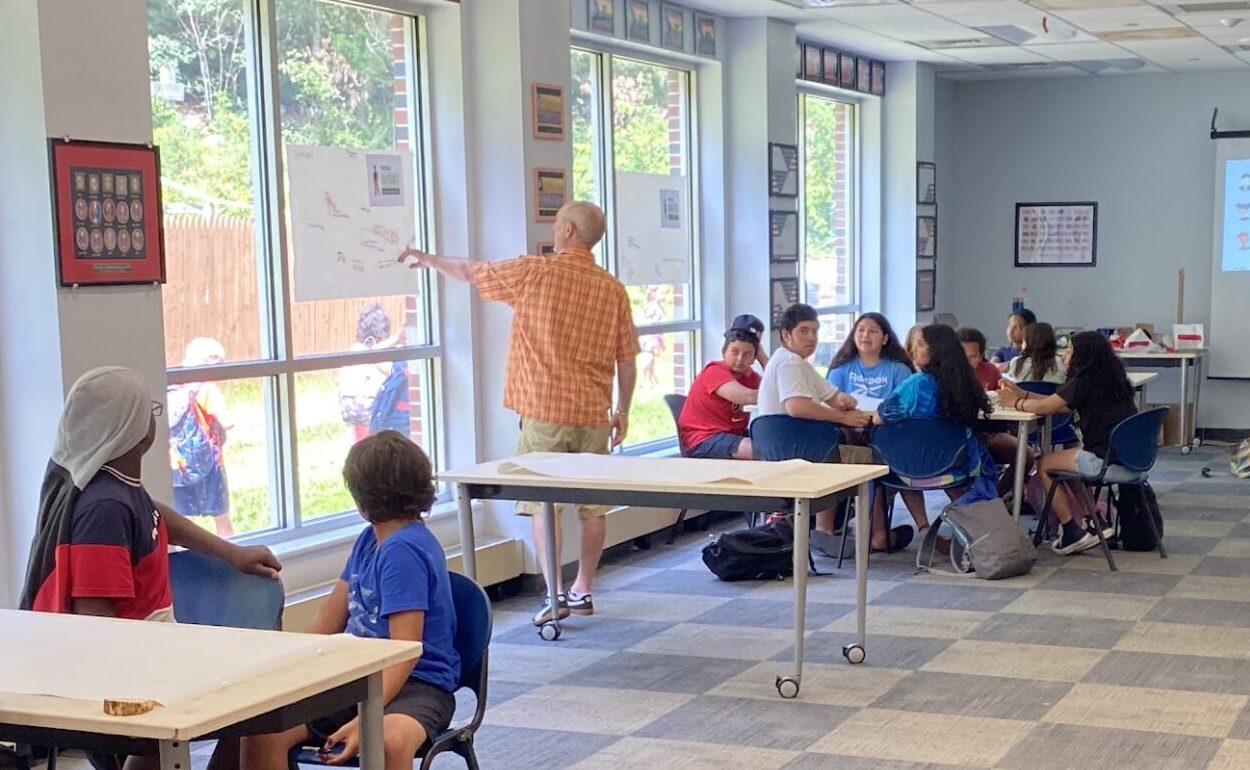
Research Camp is an immersive experience for both youth and clients. For the kids, it involves engaging in a full schedule of camp activities and participating in research for a brief period each day. Clients have the opportunity to witness children grapple with their research or design questions in real life while also interacting with them informally. What makes this experience unique is that we conduct the research in a fun and engaging environment: Camp. Research Camps take place in cities across the US at established camps that hold sessions during school vacations and in the summer. The incentive for youth participation is a week of the camp’s tuition at a significantly reduced price.

At Research Camp, we explore the world through the eyes of children. Using a range of qualitative research methodologies, we aim for deep insights into their thoughts, feelings, and experiences to answer our client’s research questions. Over the past few weeks, we’ve published articles about how Research Camp came about and how we found our first participants. In this article, we’ll focus on how we leverage a convenience sample and five qualitative research methodologies to understand and enhance the lives of children.

Convenience Sampling – A Quick Entry Point

Research Camp relies heavily on a convenience sampling. A convenience sample is just that, convenient, because participants are selected based on ease of recruitment over randomness. It is particularly helpful when conducting exploratory or formative research because it allows us to gather data quickly from children who are either attending the camp or already interested in going. Convenience sampling tends to be time efficient and cost effective compared to other sampling methodologies, making it a great choice when appropriate.
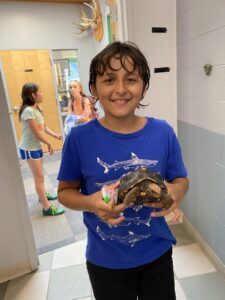
Convenience sampling, however, comes with its limitations. Since participants aren’t randomly selected, the sample may not accurately represent the broader population, thus limiting the external validity of the research. Additionally, the absence of randomness in the selection process makes reliable estimation of sampling error problematic and, therefore, precise statistical inferences and hypothesis testing doesn’t really work. For our purposes, the convenience sample is perfect, but researchers must be aware of the drawbacks when designing and interpreting convenience sample-based studies.

Qualitative Research Methodologies We Use with Kids at Camp

Because children have unique perspectives and experiences that may not always be adequately captured by utilizing one research solution, we use five different qualitative research methodologies at Research Camp. These methodologies were chosen to generate rich data to help us explore nuanced responses, emotions, and stories that go beyond data from surveys or questionnaires to provide a more holistic view of children’s experiences and opinions.

1. Focus Groups – Exploring Children’s Perspectives

One of the primary qualitative methodologies we use is focus groups. In a focus group a skilled moderator guides a small group of children through discussions on specific topics. This methodology offers several advantages:

        • Careful Participant Selection: We ensure that the children in our focus groups are uniquely positioned to provide valuable insights into the topic under investigation.
        • Experienced Moderation: Our moderators have backgrounds in child psychology or education, creating a safe environment for children to express themselves.
        • Age-Appropriate Sessions: Recognizing children’s shorter attention spans, our focus group sessions typically last 45 minutes to an hour and may involve engaging activities like games or storytelling.


2. In-Depth Interviews – A Personal Connection
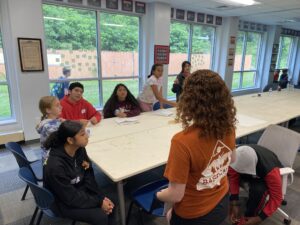
In-depth interviews (IDIs) with children are another valuable qualitative methodology we use during Research Camp. These semi-structured interviews facilitate detailed discussions with children on a wide range of topics. Conducting in-depth interviews with kids provides two benefits to the research process:

        • A Child-Centric Approach: In-depth interviews allow us to adapt questions to the child’s developmental stage and cognitive abilities, ensuring age-appropriate interactions.
        • Building Trust: Conducted in a one-on-one, non-threatening environment, these interviews often lead to stronger connections between children and researchers, fostering more honest and open responses compared to focus groups.


3. Child Ethnography – Immersed in Their World

Child ethnography, a specialized form of ethnographic research, plays a crucial role in Research Camp. This qualitative methodology involves immersive, long-term fieldwork to study the lives of children within their cultural and social contexts. We do this both on-site at the camp as well as in the homes of some of the campers outside of the camp hours. Child ethnography is invaluable because it provides:

        • Deep Insights: Child ethnography provides a holistic understanding of children’s daily lives, experiences, and perspectives by allowing the researchers to see things play out over a longer period in a more natural environment.
        • Cultural Context: Ethnographies can help researchers explore how cultural norms, values, and practices shape children’s experiences and development, offering insights into their socialization.


4. Observations – Becoming part of the scene

Nothing has been more effective than getting into the thick of it with kids. By interacting with youth through observations and immersion during Research Camp, researchers spend time with children, observe their interactions, and engage in informal conversations. Observations have some specific benefits:

        • Immersive Insights: Observations and immersion provide authentic insights into children’s lives by creating the opportunity to see kids over a longer and less contrived period of time.
        • “Quantity” time: By creating a wider timeframe to observe kids, we increase the possibility of kids becoming more comfortable and, therefore, authentic. It also makes the space for other unintended insights that can provide some of the most profound breakthroughs.


5. Co-Creation Sessions – Collaborating with Children
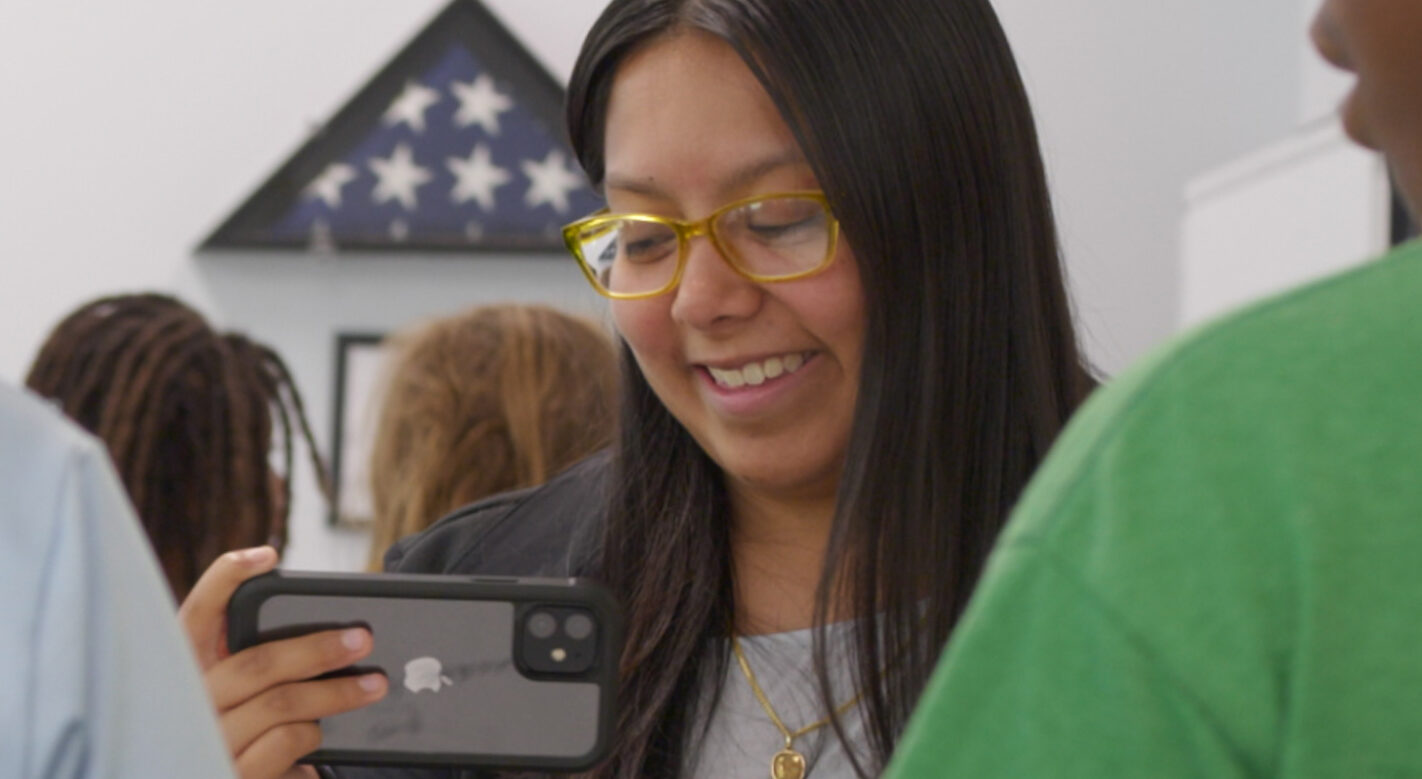
Co-creation sessions, when children are invited into the process of the design, development, or improvement of products or services, are an amazing and inspiring experience. Often, researchers and designers get stuck in a certain adult-centric way of thinking and need to enlist the help of kids to create alongside them. Co-creation is great because it provides:

        • Fresh Perspectives: Children offer fresh, imaginative, and innovative viewpoints that can lead to creative solutions.
        • User-Centric Solutions: Co-creation ensures that products or services are tailored to children’s needs and preferences, enhancing customer satisfaction.


Research Camp employs a range of qualitative research methodologies to unlock the unique perspectives and experiences of children. From focus groups and in-depth interviews to child ethnography, observations, and co-creation sessions, these methodologies help us understand, empower, and advocate for children in a world that often, intentionally or not, misinterprets or tunes out their critical voices.

By Dan Warren, Director, Youth Development & Education

When I was younger, I used to read a lot! Books were my gateway to exploring the world. Due to my family’s financial constraints, vacations and other summer activities were not available to me. Instead, books became my window to new cultures, places, and experiences.

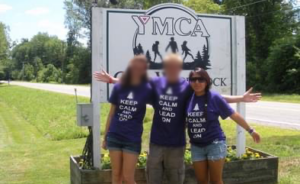
Along with the movie The Parent Trap, the book Sleepaway Girls by Jen Calonita sparked my interest in going to summer camp and the possibility of forming lifelong friendships while experiencing all that nature had to offer. Inspired by this book and the movie, I immediately began researching different summer camps in my area hoping to recreate the adventures I had read about. Having been to summer camp, my neighbor recommended YMCA Camp Woodstock located in Woodstock, CT, describing it as a magical place and an experience he never forgot. Hoping to have that same experience, I reached out to the camp director directly and asked how I could go to summer camp too. While there were some scholarships left to partially cover the cost of attendance, I would have to pay the rest myself. Undaunted, I made it my mission to advocate for myself to attend. I begged my parents to let me go, got straight As that quarter to show my parents my commitment, and put together a potential payment plan if I were to attend.

After tirelessly advocating for myself, I was accepted into YMCA Camp Woodstock’s Leaders-In-Training (LIT) program – a six-week experience for teens that changed my life. I made some amazing friends from all over the world including Spain, France, and Italy. I participated in fun activities like kayaking, camping, learning camp songs, and competing in dining hall chant battles. I loved it so much that I returned to camp the next summer, eager to relive the magic of summer camp.

This summer, when Fluent announced plans for a research camp, I found myself in a position to pay forward the life-changing experience I had gained all those years ago. In partnership with New England Base Camp, Fluent arranged for a group of mostly Latinx tweens to attend day camp for two weeks where they could take part in all the camp activities, as well as research-related activities, including activity sessions and focus groups. To alleviate some of the cost, Fluent offered summer camp scholarships to the research participants, which deeply resonated with me. I was so excited for the opportunity to help others have that same amazing summer experience I had when I was growing up.
Unfortunately, I quickly realized that Latinx families have major reservations about the idea of summer camp because they immediately think that their child will be sleeping there, which raises major concerns for them. Most don’t realize that there are also day camps where kids just go for a few hours a day. I had to work very hard to reassure them they would be safe and would not be sleeping there since it was a day camp. I served as the main point of contact for them and their children. Knowing that I also come from a Latinx background and speak Spanish fluently, they felt much more comfortable opening up to me. I met with them individually before they enrolled to answer any questions and for them to get to know me as well. Once the camp started, they knew they could call or text me at any time, easing their concerns and solidifying mutual trust.

The stories of three tween girls who had recently arrived from El Salvador especially resonated with me. To attend this camp each day, they needed to travel roundtrip from East Boston to Milton, MA, yet their mothers worked 10-hour days and had no way of picking up or dropping them off at camp. Because the mothers had wanted to provide opportunities for their girls to practice their English, assimilate into their new home, and make new friends, they found a friend for the girls to stay with so they could be closer to the camp. I appreciated that the moms were trying so hard to have their daughters attend summer camp. Their experience touched me and reminded me of all the advocating I had to do for myself to attend camp all those years ago.
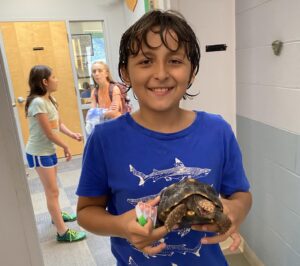
As camp ended, it was clear that these three girls had been positively impacted by their camp experience and left a lasting impression on the lives of their fellow campers. Yes, they had formed new friendships, but they had also become a source of support for each other and an inspiration to the camp as a whole. The oldest girl, an 8th grader, took on the role of translating for the other two. Together they helped other campers and staff practice their Spanish-speaking skills, and educated everyone about Salvadoran culture.

From the outside looking in, Research Camp had such a tremendous impact on the lives of these girls and I think that was very special. Reflecting on the summer and watching the campers navigate the program reinforced the idea that camp has the potential to serve as a catalyst for growth, resilience, and cross-cultural understanding.

By User Experience Researcher, Evelin Garcia.

Picture this: a charming summer camp tucked away in the woods on the outskirts of Boston. Hundreds of children are splashing in the pool, hiking through the trees, and playing on the ropes course. A select group will not only partake in typical camp activities over the next two weeks, but they will also share their thoughts and feelings with researchers on a wide range of topics, including mobile devices, media content, and wearable tech.
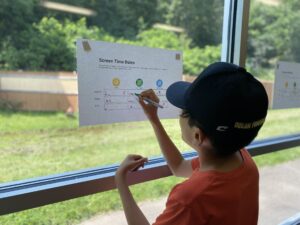
Our Fluent Research team recently took an unexpected path to this magical place. Fueled by the need to find Latinx children to test out a new curriculum for GBH, the Boston-based PBS affiliate, we scouted for and recruited 10-13-year old children in their communities. As our team began building relationships with them and their families, a novel idea soon transformed our methodology. In lieu of a typical monetary incentive, we would offer each child a scholarship for a two-week immersive day camp experience filled with adventure. Amidst the laughter, splashes, and camaraderie of swimming, hiking, archery, and crafts, our young participants would share their insights and reflections on the GBH curriculum and beyond. This is how Research Camp was born.

In partnership with New England Base Camp, we had arranged for the children we recruited to attend the day camp for two weeks. When they were not participating in camp activities, they would take part in research-related activities, including activity sessions, dyads, and focus groups. During these sessions, representatives from GBH and other companies had the opportunity to interact one-on-one with the children, ask probing questions, observe focus groups and interviews, and even spend time participating in camp activities themselves. Simultaneously, Director of Productions Heath Cozens and Associate Producer Paige Frankovich of Fluent Productions were filming campers’ day-to-day activities, interviewing them, teaching them how to interview each other, and gaining real-time insights during spontaneous debrief sessions. Heath connected with one camper’s family and arranged a “deep dive” interview with the child and family in their home – a documentary style he recently described in his blog.

Research Camp fostered an immersive research environment for our clients that provided them with a front row seat for focus groups, activity sessions, and in-depth interviews. But what’s more—our clients could engage in the kid world of summer camp! They had the opportunity to spend time with kids during research activities, ask them questions, get a feel for how kids talk with one another, how they move and relate, and what they are interested in. A far cry from the one-way mirror, our clients had the opportunity to “hop in” and ask questions, set up impromptu interviews, sit down with insightful participants, debrief with us in person, and open themselves to breakthrough insights—all things best supported by a live, dynamic, open-ended, and immersive research environment.

What started as a pragmatic choice has blossomed into an enriching research model, poised to reshape how we think about client and participant engagement. With the addition of Research Camp to our toolbox, Fluent can now offer clients a new kind of research methodology, one that blends innovation and exploration for meaningful insights and endless opportunities. Stay tuned for announcements about specific dates and locations for future Research Camps during school breaks in Boston, MA and Los Angeles, CA. See you there!

By Stefanie Cousins