

GenZ Tag

The next generation is ready, are we?

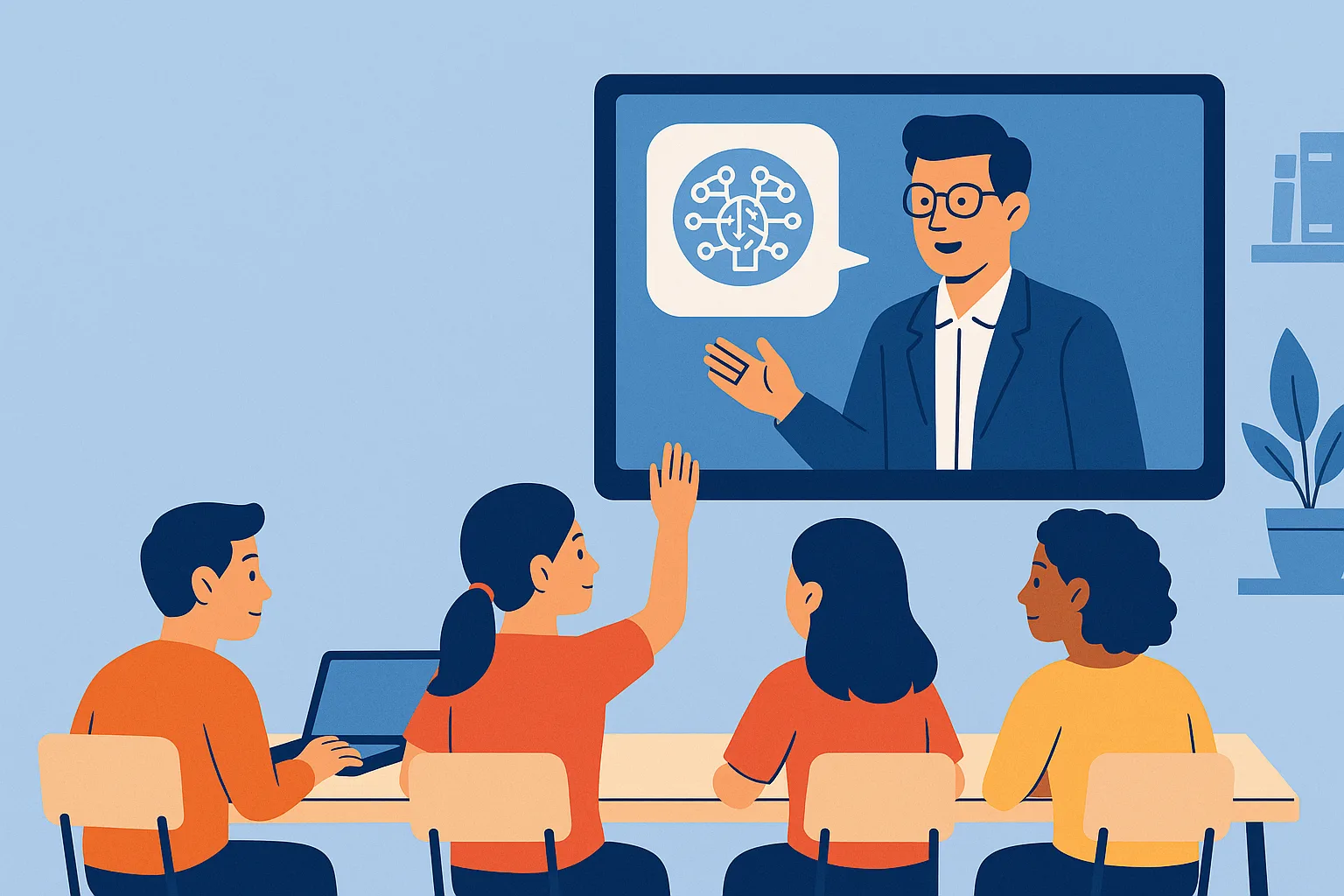
Artificial intelligence isn’t coming to classrooms; it’s already there. From adaptive tutoring tools to generative-AI writing assistants, students are encountering new technologies every day. But according to new global surveys, young people don’t just want more AI in education. They want it used responsibly, equitably, and creatively.

A 2025 UNESCO-UNEVOC study of students in 128 countries found that while most Gen Z learners are optimistic about AI’s potential to make learning more engaging and personalized, they also worry about bias, unequal access, and over-reliance on technology. These are questions that educators, families, and policymakers are only beginning to answer.

What young people say matters

At Fluent Research, our work consistently shows that youth are not passive participants in the digital world. They are active interpreters, testers, and critics of it. When asked about AI tools in classrooms, many teens express curiosity mixed with caution. They appreciate platforms that help them visualize complex concepts or learn at their own pace, but they also voice concern about losing the human connection that makes learning meaningful.

This aligns with our broader findings on digital citizenship: students thrive when they understand how technology works and how to use it responsibly. Embedding conversations about ethics, transparency, and data privacy into education is no longer optional. It is part of preparing young people for the world they are inheriting.

Bridging the digital divide

AI has the potential to reduce learning gaps, but only if every student can access it. The digital divide remains one of the most pressing equity issues in education. In many communities, limited connectivity or outdated devices prevent students from fully engaging with new learning tools.

For families and schools, this means advocacy at every level: ensuring infrastructure investments, equitable access to devices, and training educators to integrate AI thoughtfully. Research from UNICEF and the Pew Research Center highlights that students with reliable digital access are more confident not only in their tech skills but also in their overall academic performance.

How educators can make AI work for wellbeing

AI can be a powerful support for student wellbeing when it is used to enhance, not replace, the human aspects of learning. Tools that provide real-time feedback, automate repetitive tasks, or personalize study plans can reduce stress and boost motivation. But they must be paired with teacher guidance, media-literacy education, and opportunities for reflection.

Schools that combine digital-literacy training with mental-health awareness—teaching students how to navigate algorithms, manage screen time, and maintain balance—see measurable improvements in engagement and self-efficacy. 

Looking ahead

As we celebrate International Education Week, the conversation is not just about technology’s power to transform education. It is about the values that guide that transformation. Gen Z is asking educators and policymakers to listen, collaborate, and build a future where AI strengthens curiosity, empathy, and equity.

Fluent Research will continue exploring how young people learn, create, and connect in an age of intelligent machines, and what that means for families, schools, and the next generation of learners.

Stefanie Cousins is Vice President, Marketing & Communications at Fluent Research.

In 2023, I published a blog post titled, Gen Z Maximalism: More is More, exploring the meaning and impact of Gen Z Maximalism on young people and culture at large. This aesthetic has significantly shaped youth culture and captured the attention of mainstream publications like The New York Times and Vogue.

Over the past year, Gen Z Maximalism has evolved beyond an aesthetic to a lifestyle, an act of self-care and emotional outlet, influencing how young people approach personal style and curate their physical and digital spaces. Even more recently, other media outlets have taken an interest in this design trend, including NPR, House Beautiful, and The Spruce. Curious about some trends in the chaotic yet joyful world of Gen Z Maximalism? Here’s are some concepts you can add to your repertoire:

Chaotic Customization
This term captures the hyper-personalization and individualization embodied in Gen Z Maximalism. Shifting away from “clean girl” and “quiet luxury,” young people are embracing expressive, layered looks that blend styles, colors, and textures, transforming items into unique and multifaceted expressions of identity. The trend was popularized when Jane Birkin’s personalized handbag charms went viral on TikTok, sparking interest in decorative adornments. As a result, the market for unique accessories like phone lanyards and keychains have risen, and brands are responding with more customizable options.

Dopamine Decor
This concept is about creating environments that spark joy and positivity such as bright colors, playful objects, and whimsical designs. This approach transforms living spaces into sources of happiness and inspiration, serving as a form of self-care. It seems to be the offspring of a “dopamine menu,” which refers to a curated selection of items, experiences, or activities designed to evoke joy and stimulate happiness.

Glimmers
This term falls under the umbrella of Dopamine Decor. Glimmers encapsulates the small details that are designed to spark joy and bring a sense of magic to everyday life. Whether it’s a sparkling chandelier, a quirky piece of art, or a lush indoor plant, these glimmers elevate spaces, adding beauty and something intended to make you smile.

Gen Z Maximalism takes customization, self-expression and creativity through design choices to a new level, by embracing diverse influences and allowing for playful experimentation. This aesthetic empowers young people to craft unique environments that truly represent who they are and spark joy, even in the face of uncertainty.

By Natalia Belchikov, User Experience Researcher

Have you noticed vibrant color schemes, unconventional patterns, curated clutter, and an eclectic mix of styles popping up in your social media feed lately? If so, then you may be familiar with Gen Z maximalism— a bold and expressive design aesthetic that exemplifies the motto, “more is more.” Let’s take a dive into this recent trend.

Gen Z maximalism is a far departure from minimalism, popular among millennials. Whereas the millennial generation prefers simplicity and functionality through clutter-free spaces, clean lines, and neutral colors, Gen Z prioritizes vibrancy, creative self-expression, and constant stimulation.

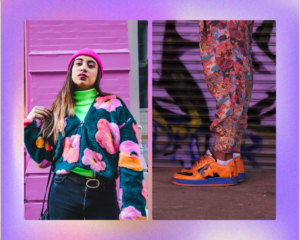
The rise of Gen Z maximalism is due, in large part, to the impact of the pandemic. With extended periods of quarantine and stay-at-home orders, young people spent more time indoors cultivating living spaces that emanated warmth and inspiration. Gen Z turned to maximalism as a way to infuse their homes with the energy, joy, and personality that reflect their unique tastes. The aesthetic goes beyond interior design. Gen Z’s maximalist effect on fashion and beauty subverts conventions and tradition with an eclectic style of bold patterns, textures, and colors.

In our work at Fluent Research, we often explore how digital products empower the creativity of young people around the globe. Gen Z maximalism reflects the unique ways in which this generation seeks to express their individuality, creating unique content that stands out in the crowded digital landscape. This aesthetic encourages personalization and unabashed exploration of various styles and modes of expression. We must ensure that Gen Z continues to have access to the latest digital platforms, innovations, and tools that empower them to customize and personalize their experiences and express their creativity.

By Natalia Belchikov


If you have had any interactions with a teen or young adult recently, I am sure you have heard the word “cringy” uttered more than once. Consider Chicken Shop Date interviews with Amelia Dimoldenberg and Taylor Swift’s infamous 2022 NYU graduation speech when she says “… learn to live alongside cringe,” as examples of the current cultural relevance of cringe. But how about “meta-cringe”? Trend forecasters predict that 2023 is the year of meta-cringe for Gen Z. While cringe is generally defined as embarrassment, awkwardness or discomfort about something or someone being out of touch, meta-cringe is defined as having an awareness that something is cringey and enjoying it anyway. A hallmark of meta-cringe is that it’s unclear whether the act is sincere or ironic, and because of that, the question about intent loses importance all together.

It makes sense that meta-cringe is having its moment. In the current political and social climate, Gen Z are inundated with news and trends that move at a speed far too fast to keep up with. Young people are understandably anxious about the state of the world and disillusioned with emerging adulthood for many reasons, including the war in Ukraine, mass shootings, climate change, and economic uncertainty. These feelings of distress, combined with Gen Z’s value of authenticity, leads young people to deliberately engage in absurd, awkward, and idiosyncratic cringe humor. Gen Z are no longer interested in projecting a perfect online image. Instead, they are rejecting the societal pressures of a flawless feed and the shame associated with cringeworthy moments, and in lieu of this, opting for curated cringe. This kind of humor is often an expression of nostalgia for the media and cultural trends of Gen Z’s adolescence from the 2000s to 2010s (i.e., Shrek raves, viral memes about 2000s emo singing impressions).

In our work at Fluent, where we often conduct research with Gen Z teens and young adults, we consider the cultural shifts and values that embody meta-cringe when trying to connect with and design for young people. Here are some ideas to keep in mind when working with Gen Z:

– Be Nostalgic: Find unique and easy ways for Gen Z to connect with the beloved digital and media world they grew up with (2000s to 2010s).

– Embrace Absurdity: Don’t be afraid to be cringy. Intentional or not, this peaks interest.

– Play with “when the curtain drops” moments: Focus on content that feels unstaged and genuine. Consider the trope of “when the curtain drops” or “the camera stops rolling” humor where the viewer gets a glimpse into the inner world of a character, or behind the scenes.

– Be Authentic: Be cringey, be real, as long as you are being truthful to you. A curated and manicured public image is not in style anymore.

– Cultivate personal and meaningful connection: Ensure that connection feels vulnerable, intimate and simple, perhaps with smaller groups of peers.

– Share the unfiltered self: Encourage sharing in a way that feels like unedited, first takes. Consider BeReal and Poparazzi as examples of apps popular among Gen Z that are designed for unedited and in-the-moment photo sharing.

– Be Relatable: One aspect of meta-cringe is the relatability of those moments of embarrassment, awkwardness or discomfort. It may be painful to watch, but the humor connects with Gen Z who are disillusioned with the perfect, filtered digital image.

Meta-cringe will influence Gen Z’s expectations and behaviors in the digital world. Young people are embracing their guilty pleasures and giving themselves permission to be themselves, IRL and online. We can view this carefree attitude as a way for Gen Z to express more vulnerability when they connect with others online.

Sources:
https://i-d.vice.com/en/article/qjkywp/meta-cringe
https://www.russh.com/tiktok-meta-cringe/
https://zeefeed.com.au/meta-cringe/
https://www.tiktok.com/t/ZTRWYP36o/

By Natalia Belchikov, User Experience Researcher, Fluent Research