


24 Feb Research Is How We Shape Better Content
The moment that changes a children’s series rarely just happens in the writers’ room. It can also happen in a living room.
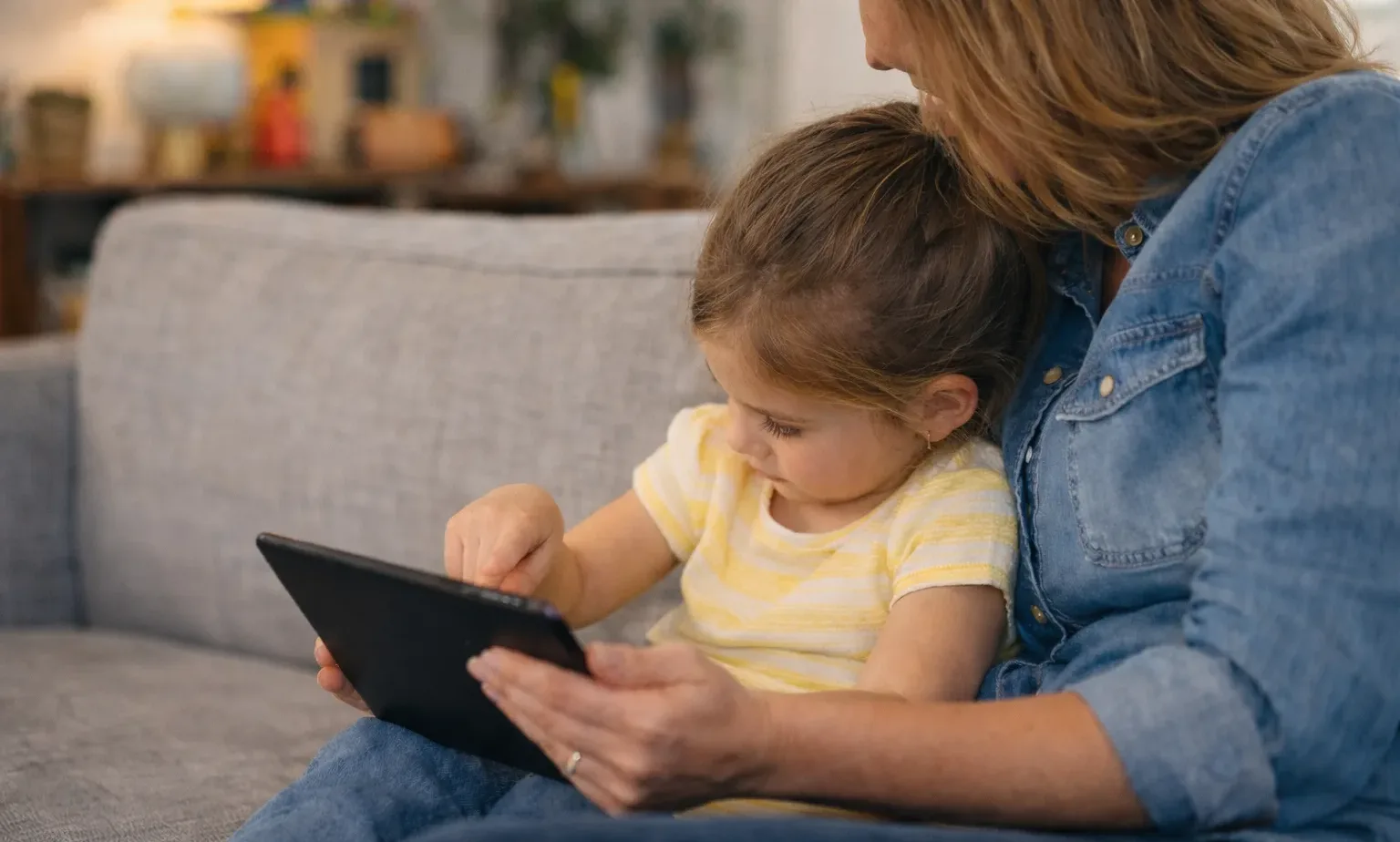
A five-year-old girl tilts her head and says something unexpected about a character. A parent pauses and admits they’re not sure what the takeaway was. An eight-year-old boy laughs at a moment the creators thought was instructional, and tunes out during the explanation. Those are the moments that shape better content.
When people think about research in children’s media, they often think about measurement, proving that something worked after it’s complete. But the real power of research happens much earlier. Research doesn’t just validate content. It influences it.
Where Insight Changes Direction
In our work with PBS KIDS, Nickelodeon, and other children’s media clients across broadcast, digital, and interactive properties, we’re often brought in while content is still evolving. Animatics are rough. Scripts are fluid. Characters haven’t been finalized. Game mechanics are still being refined. That’s exactly when research matters most.
What we uncover doesn’t sit in a report; it informs revision. We examine questions that go beyond surface appeal:
• Do children understand the core skill the episode is designed to model?
• Do children understand the core skill the episode is designed to model?
• Is the learning goal clear, or buried under plot?
• Are the rules of the world intuitive to young viewers?
• Does the problem feel concrete, or abstract?
• When do children disengage, and what’s happening at that moment?
• Are parents interpreting the educational intention the way producers expect?
Sometimes the insight confirms the creative approach. Other times, it shifts it.
We’ve observed executive function skills resonating clearly, while the context surrounding them creates confusion. In one project, adults found career themes compelling, but children experienced them differently. In another, humor carried the learning more effectively than explanation. Without research, those disconnects remain invisible. With research, they become opportunities to revise, clarify, and strengthen before a series moves forward. In other words, those insights lead to better alignment between intention and interpretation. That’s not cosmetic feedback. It’s directional influence.
Research as a Creative Partner
The strongest development teams don’t treat research as a compliance step at the end of production. They treat it as a creative partner.
When research is embedded in the development process, it can influence story pacing, character development, world-building clarity, the explicitness of educational messaging, and the balance between entertainment and instruction. The result isn’t content that feels “researched.” It’s content that feels intuitive, because it aligns with how children actually learn.
That alignment doesn’t happen by instinct alone. It happens by listening.
Designing for How Kids Learn
This article is the first in a series exploring how research shapes and strengthens children’s media development across the broader children’s content landscape.
In upcoming articles, we’ll feature insights from Allison Caplovitz, PhD, Director of Content Research and Evaluation, and Senior Researchers Sylvia Rusnak and Tiffany Salone, whose expertise in child development, educational measurement, and media testing informs the work behind the scenes.
If you’re developing content for children, consider this:
• Do you know what kids are actually taking away?
• Are you testing intention against interpretation?
• Are you building in time to revise based on evidence?
Because if you’re building for kids, listening to them isn’t optional. It’s foundational.
By Stefanie Cousins, Vice President, Marketing and Communications