
Children’s Media Tag

This year Fluent Research is celebrating its 20th anniversary. It is a major milestone for the company, which has spent two decades conducting research across a wide variety of industries, sectors, and audiences. While I haven’t been at Fluent for that entire two-decade run, hitting this benchmark naturally got me thinking about my own career in children’s media research, and how much the landscape has shifted since I first started.

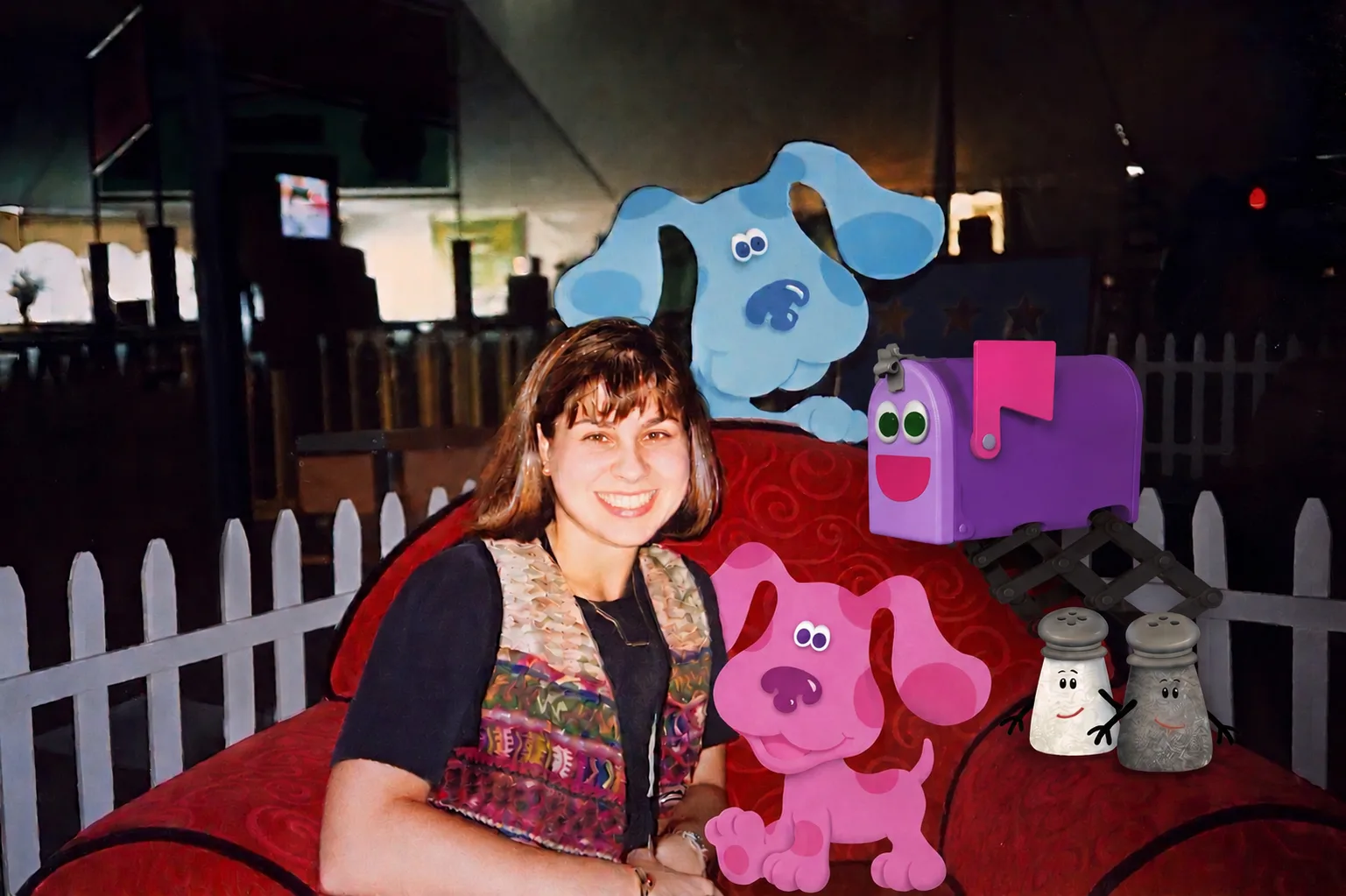
When my career in kids’ media began, things looked very different. One of my earliest projects was working on Blue’s Clues. Back then, research wasn’t a checkbox you ticked at the very end of production; it was baked into the show’s DNA.

We tested every episode with kids three separate times as it moved through development. We’d watch how they engaged, gather their feedback, and use those insights to tweak the story structure, the pacing, and the animation. It was a given that children’s voices would shape the final product. We used to joke: We’re cheating because we’re asking the kids to tell us what they think even before it’s produced. But of course it wasn’t cheating at all. It was an effective way to let the audience guide the show before it was even finished.

I also remember the early days of evaluating interactive CD-ROMs, trying to figure out what meaningful digital engagement even looked like for a young audience. At the time, it felt like we were exploring uncharted territory. Looking back, what strikes me most about that era was the level of intentionality. Content was crafted with patience, and there was a true commitment to truly understanding your audience before making big decisions.

The Shift to Hyperspeed in the Children’s Media Landscape

The media environment today is a different world entirely.

Audiences don’t just watch TV; they move fluidly between streaming, social platforms, gaming, and digital spaces like TikTok and YouTube. The challenge for creators is no longer getting content into people’s hands. It’s about standing out in a world where there are a million other distractions and choices at your fingertips.

On one hand, the growth of streaming and digital platforms have brought real gains. There are more diverse stories being told and more ways to reach audiences than ever before. But it has also changed the pace of the industry. Production cycles have compressed. The pressure to constantly feed platforms means content is dropped at a rapid pace. In the rush to keep up, the deep, iterative research that used to be standard practice often gets sidelined.

Why the Children in the Audience Matter More Than Ever

The acceleration of the industry doesn’t make research less important. It makes it more important.

When audiences have infinite choices, understanding what actually resonates with them (what builds emotional connections and keeps them genuinely engaged) is everything. Research is what stops us from guessing and keeps us grounded in the reality of people’s actual lives.

That’s why the work we still get to do with partners like PBS KIDS means so much to me. When productions are able to secure the necessary funding, we collaborate on the kind of rigorous, formative testing that allows us to help shape shows while they are still in active development. Seeing the direct impact of that research reminds me just how important this process remains. It proves that taking the time to listen to children is still the most effective way to build media that truly serves them.

Children: The Heart of Children’s Media

As we celebrate 20 years of Fluent and look to the future, my hope is that we see a renewed commitment to putting research at the center of production, not as an afterthought. At Fluent, that’s the work we are dedicated to continuing and expanding. I look forward to partnering with more creators who believe that rigorous, child-first research isn’t a luxury, but a foundation. 

The platforms will keep shifting and the technology will keep evolving. That’s not going away. But after 20 years, here’s what we know for certain: truly great content will always start by putting children, their voices, and their needs at the heart of development.

By Allison Caplovitz, PhD, Director, Content Research and Evaluation
We’re proud to announce that our research study on Dicey Escape, a PBS Kids digital math game, has been accepted to the International Communication Association (ICA) 2026 Conference — one of the leading global forums for communication research. The paper’s first author, Nancy A. Jennings, PhD from the CHEER Lab at the University of Cincinnati, will present the research findings at the conference in Cape Town, South Africa, June 4–6, 2026. Allison Caplovitz, PhD and Tiffany Salone, M.Ed from Fluent Research and Kelly R. Merrill Jr, PhD from University of Cincinnati are co-authors.

The research was conducted when PBS KIDS engaged Fluent Research to answer a straightforward but important question: does the Odd Squad Dicey Escape game actually improve math skills in young children, and how do kids respond to it overall? The study followed children ages 5–7 over a three-week period, measuring their math knowledge before and after gameplay. The findings — and their implications for app design and parenting decisions — are available on our website.

The ICA acceptance brings this work to an international research audience and reflects the broader significance of the study’s findings. The article provides a deeper look at the methodology, results, and what they mean for educators, parents, and digital content developers. Read the full text here: Digital Games and Math Skills Development: Leveraging Digital Play with Early Math Trajectories in the PBS KIDS’ Odd Squad Game Dicey Escape.

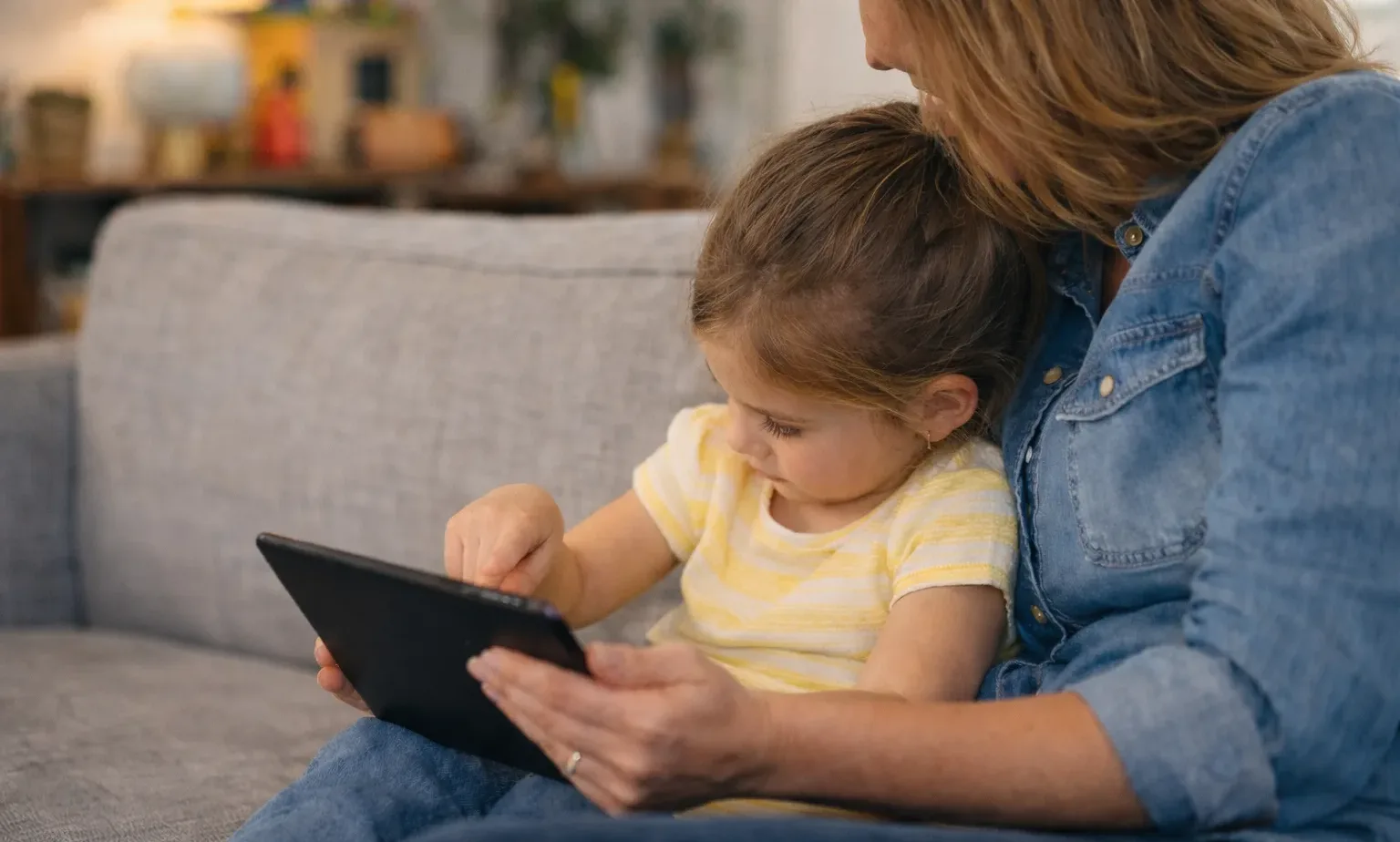
The moment that changes a children’s series rarely just happens in the writers’ room. It can also happen in a living room.

A five-year-old girl tilts her head and says something unexpected about a character. A parent pauses and admits they’re not sure what the takeaway was. An eight-year-old boy laughs at a moment the creators thought was instructional, and tunes out during the explanation. Those are the moments that shape better content.

When people think about research in children’s media, they often think about measurement, proving that something worked after it’s complete. But the real power of research happens much earlier. Research doesn’t just validate content. It influences it.

Where Insight Changes Direction

In our work with PBS KIDS, Nickelodeon, and other children’s media clients across broadcast, digital, and interactive properties, we’re often brought in while content is still evolving. Animatics are rough. Scripts are fluid. Characters haven’t been finalized. Game mechanics are still being refined. That’s exactly when research matters most.

What we uncover doesn’t sit in a report; it informs revision. We examine questions that go beyond surface appeal:

Do children understand the core skill the episode is designed to model?

Do children understand the core skill the episode is designed to model?

Is the learning goal clear, or buried under plot?

Are the rules of the world intuitive to young viewers?

Does the problem feel concrete, or abstract?

When do children disengage, and what’s happening at that moment?

Are parents interpreting the educational intention the way producers expect?

Sometimes the insight confirms the creative approach. Other times, it shifts it.

We’ve observed executive function skills resonating clearly, while the context surrounding them creates confusion. In one project, adults found career themes compelling, but children experienced them differently. In another, humor carried the learning more effectively than explanation. Without research, those disconnects remain invisible. With research, they become opportunities to revise, clarify, and strengthen before a series moves forward. In other words, those insights lead to better alignment between intention and interpretation. That’s not cosmetic feedback. It’s directional influence. 

Research as a Creative Partner

The strongest development teams don’t treat research as a compliance step at the end of production. They treat it as a creative partner.

When research is embedded in the development process, it can influence story pacing, character development, world-building clarity, the explicitness of educational messaging, and the balance between entertainment and instruction. The result isn’t content that feels “researched.” It’s content that feels intuitive, because it aligns with how children actually learn.

That alignment doesn’t happen by instinct alone. It happens by listening. 

Designing for How Kids Learn

This article is the first in a series exploring how research shapes and strengthens children’s media development across the broader children’s content landscape.

In upcoming articles, we’ll feature insights from Allison Caplovitz, PhD, Director of Content Research and Evaluation, and Senior Researchers Sylvia Rusnak and Tiffany Salone, whose expertise in child development, educational measurement, and media testing informs the work behind the scenes.

If you’re developing content for children, consider this:

Do you know what kids are actually taking away?
Are you testing intention against interpretation?
Are you building in time to revise based on evidence?

Because if you’re building for kids, listening to them isn’t optional. It’s foundational.

By Stefanie Cousins, Vice President, Marketing and Communications