
10 Jun 20 Years of Fluent: Why Child-First Research Still Wins in Children’s Media
This year Fluent Research is celebrating its 20th anniversary. It is a major milestone for the company, which has spent two decades conducting research across a wide variety of industries, sectors, and audiences. While I haven’t been at Fluent for that entire two-decade run, hitting this benchmark naturally got me thinking about my own career in children’s media research, and how much the landscape has shifted since I first started.
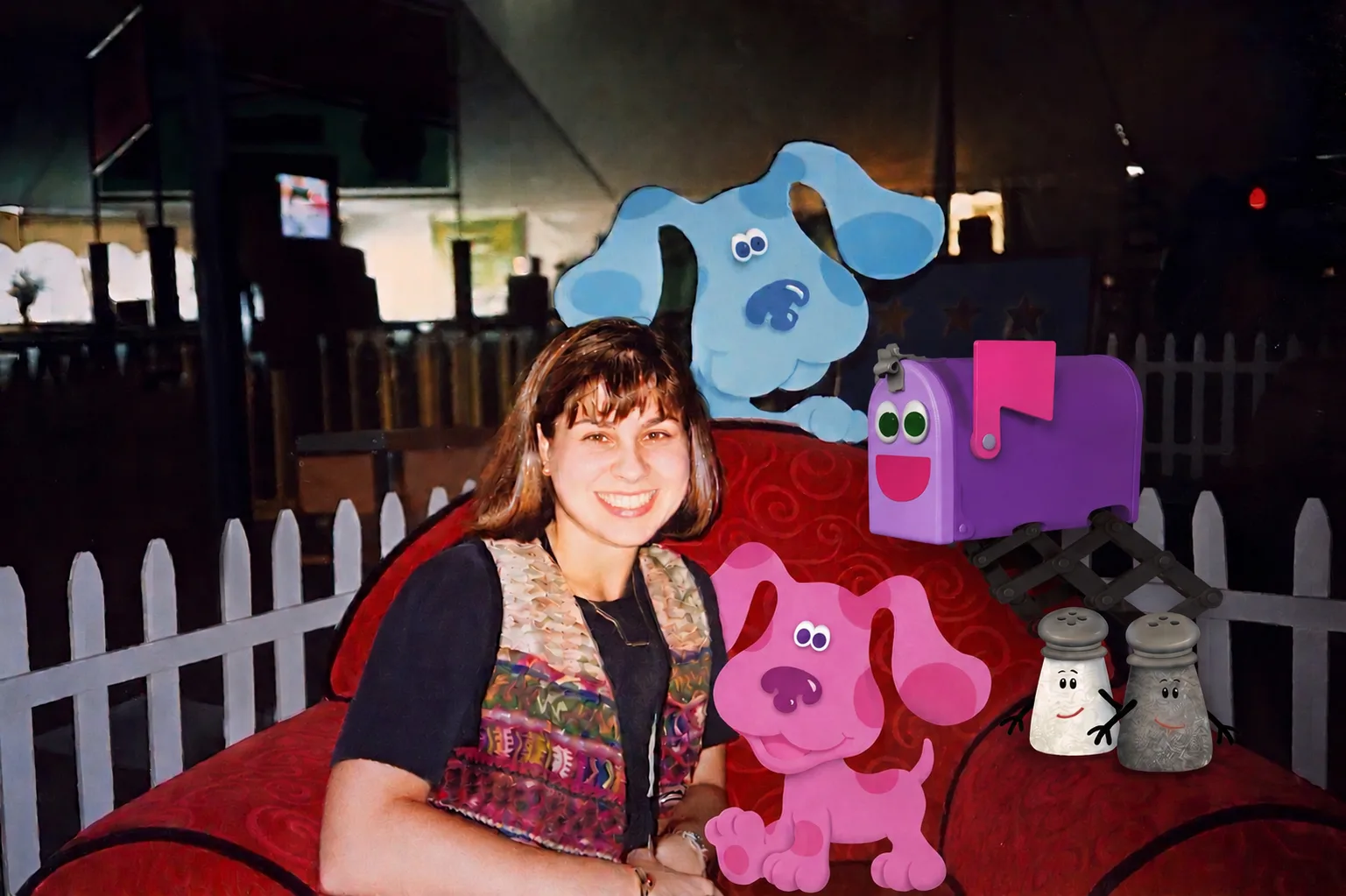
When my career in kids’ media began, things looked very different. One of my earliest projects was working on Blue’s Clues. Back then, research wasn’t a checkbox you ticked at the very end of production; it was baked into the show’s DNA.
We tested every episode with kids three separate times as it moved through development. We’d watch how they engaged, gather their feedback, and use those insights to tweak the story structure, the pacing, and the animation. It was a given that children’s voices would shape the final product. We used to joke: We’re cheating because we’re asking the kids to tell us what they think even before it’s produced. But of course it wasn’t cheating at all. It was an effective way to let the audience guide the show before it was even finished.
I also remember the early days of evaluating interactive CD-ROMs, trying to figure out what meaningful digital engagement even looked like for a young audience. At the time, it felt like we were exploring uncharted territory. Looking back, what strikes me most about that era was the level of intentionality. Content was crafted with patience, and there was a true commitment to truly understanding your audience before making big decisions.
The Shift to Hyperspeed in the Children’s Media Landscape
The media environment today is a different world entirely.
Audiences don’t just watch TV; they move fluidly between streaming, social platforms, gaming, and digital spaces like TikTok and YouTube. The challenge for creators is no longer getting content into people’s hands. It’s about standing out in a world where there are a million other distractions and choices at your fingertips.
On one hand, the growth of streaming and digital platforms have brought real gains. There are more diverse stories being told and more ways to reach audiences than ever before. But it has also changed the pace of the industry. Production cycles have compressed. The pressure to constantly feed platforms means content is dropped at a rapid pace. In the rush to keep up, the deep, iterative research that used to be standard practice often gets sidelined.
Why the Children in the Audience Matter More Than Ever
The acceleration of the industry doesn’t make research less important. It makes it more important.
When audiences have infinite choices, understanding what actually resonates with them (what builds emotional connections and keeps them genuinely engaged) is everything. Research is what stops us from guessing and keeps us grounded in the reality of people’s actual lives.
That’s why the work we still get to do with partners like PBS KIDS means so much to me. When productions are able to secure the necessary funding, we collaborate on the kind of rigorous, formative testing that allows us to help shape shows while they are still in active development. Seeing the direct impact of that research reminds me just how important this process remains. It proves that taking the time to listen to children is still the most effective way to build media that truly serves them.
Children: The Heart of Children’s Media
As we celebrate 20 years of Fluent and look to the future, my hope is that we see a renewed commitment to putting research at the center of production, not as an afterthought. At Fluent, that’s the work we are dedicated to continuing and expanding. I look forward to partnering with more creators who believe that rigorous, child-first research isn’t a luxury, but a foundation.
The platforms will keep shifting and the technology will keep evolving. That’s not going away. But after 20 years, here’s what we know for certain: truly great content will always start by putting children, their voices, and their needs at the heart of development.
By Allison Caplovitz, PhD, Director, Content Research and Evaluation