Get to Know Us

This summer, we’ve had the pleasure of working with four smart, curious interns who’ve brought fresh energy and perspective to the Fluent team.

Paul, Ava, Caitlyn, and Anna have been exploring everything from research and marketing to data and strategy, gaining hands-on experience while contributing to real projects.

We’re excited to share more about them and the interests they’ve brought to their time at Fluent.

Paul Jakob

Paul is a returning intern and recent high school graduate. He is passionate about visual art and the history and affairs of the African continent. Paul plans to attend Claremont McKenna College, where he will study Art and Economics following a gap year. He’s excited to spend another summer at Fluent focusing on growth, learning, and building new skills.

Ava Leclezio

Ava is a rising senior with academic interests in business, research, and international affairs. In her free time, she enjoys playing volleyball, experimenting with new recipes, baking for friends and family, listening to music, and watching TV. She’s looking forward to gaining first-hand experience in the corporate world and learning from the Fluent team.

Caitlyn Powell

Caitlyn is a recent high school graduate and will be attending Northwestern University in the fall, where she plans to major in Cognitive Science. She enjoys listening to music, staying active, cooking, reading, and making jewelry. This summer, Caitlyn is excited to build on her research experiences by exploring the intersection of research and marketing at Fluent.

Anna Sandy

Anna is a rising junior with strong interests in psychology, psychiatry, and the sciences. She is active in her school community as a student ambassador and a member of the student community board. She also competes on the school swim team. At Fluent, Anna hopes to deepen her understanding of data analysis and statistics, and she is eager to explore how data can inform insights into human behavior and mental health.

We’re so glad to have Paul, Ava, Caitlyn, and Anna on board this summer, and we can’t wait to see all they’ll accomplish.

As we mark five years since the start of the COVID-19 pandemic, its impact continues to shape our lives in profound ways. From deepening our appreciation for healthcare workers to redefining how we connect with loved ones, the pandemic left a lasting imprint on both our personal and professional worlds. We asked our team to reflect on how their perspectives, routines, and priorities have evolved. Here’s what they had to say.

Farrah Brensinger, Senior User Experience Researcher

The COVID-19 pandemic profoundly deepened my appreciation for healthcare workers, scientists, and epidemiologists. Hearing firsthand accounts, like my nurse friend describing the emergency room as a “war zone” in the early days, was truly staggering. One of my hopes coming out of the devastation of the pandemic is that more people are inspired to enter healthcare and medicine. However, these fields do require strong and resilient personalities, as it is such demanding work, and lots of familial, community, and financial support. We must as a nation find new ways to encourage and advocate for a strong, sustainable healthcare system that empowers the many people who keep it afloat.  

Allison Caplovitz, Director, Content Research and Evaluation

COVID changed the way I work and how I think about connection. I love that I can work from anywhere, but I’ve come to appreciate in-person interactions even more—there’s just no substitute for being in the same room with people. Watching my kids go through online school also gave me a window into what actually happens in the classroom. It made me realize how much learning isn’t just about sitting still and listening—it’s about doing, exploring, and engaging in ways that go beyond a screen or a lecture. More than anything, the past few years have reinforced how important it is to prioritize mental health, both for myself and for those around me.

Mona El-Hout, Quantitative Researcher

The pandemic had a huge impact on me in many different ways. Not only did I meet my now-husband during the lockdown, but learning to transition to fully remote work has been a quiet blessing in balancing my personal and professional lives. I also realized how unbelievably connected we are to the entire world thanks to the digital age we live in, and I now do a much better job staying in touch with friends and family in unique and entertaining ways. For example, my friends and I like to plan virtual arts & crafts dates to catch up with each other while also enjoying shared hobbies in our spare time!  

Mary Meyn, Research Director & Chief of Staff

The pandemic encouraged me to enjoy the outdoors all year round and start solo hiking. The winter weekends of the early pandemic felt so long and claustrophobic. Unable to see family and friends or go anywhere, I felt like every day was the same—like Groundhog Day . I needed to get out! I’ve always enjoyed hiking, but my kids were too young to hike very far, especially in the winter. I decided to make the leap and go out hiking on my own, even in the winter months. I spent time preparing, making sure to have maps, the right gear, and strategies to stay safe. I am now a confident solo hiker in all seasons. It is an amazing feeling to stride up an icy rock scramble with microspikes on my boots to see the view from the top!

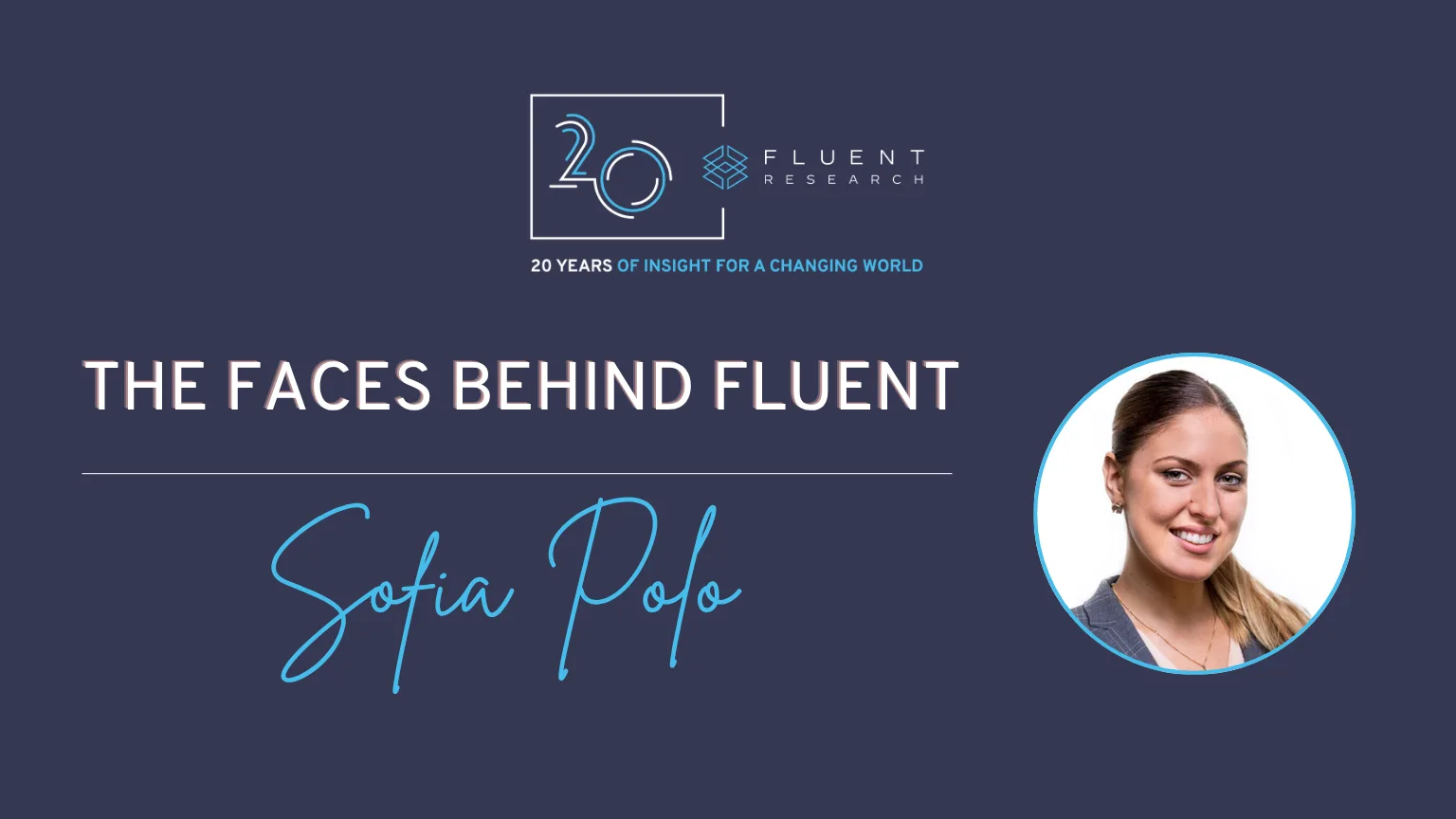
Sofia Polo, Director of Research Strategy

The pandemic reshaped my perspective on connection and the importance of family. I now prioritize quality time, making family gatherings special, and staying consistently in touch with extended family members. Professionally, it accelerated my comfort with remote work and flexible schedules, demonstrating that productivity isn’t tied to a physical office. It’s left me with a stronger sense of resilience and a deeper appreciation for adaptability.

Kelly Sheehan, Senior User Experience Researcher

The pandemic made me a full-time remote worker, which I have been for several companies (including Fluent) since the start of the pandemic. Being a full-time remote worker allowed me to move closer to my family, spend more time with my spouse (who is also a remote worker), and be more productive at work AND at home. I love it! The pandemic also made me realize how quickly life can get turned upside down. I try hard to appreciate the small joys in every day!

As we dive into 2025, our team is buzzing with excitement about what the year will bring. Whether it’s picking up old hobbies, traveling to new places, or hitting fitness milestones, everyone’s looking forward to something special. Here’s a peek at what some of our team members are most excited about in the year ahead!

Farrah Brensinger – Senior User Experience Researcher

Lately, I’ve felt the urge to refine my handwriting. So this year I’m embarking on a journey back to the world of calligraphy. It’s been ages since my elementary school days of swirling letters with a felt-tip pen. Calligraphy offers a good blend of structure and creativity for someone like me who wants to do something artistic but doesn’t want to wade through the indecision of what to draw or paint. I’m imaging practicing the letterforms, a movie soundtrack playlist on loop, a nice cup of tea within arm’s reach, and my fluff ball Bernedoodle at my feet. Bliss!

Allison Caplovitz – Director of Content Research and Evaluation

I am looking forward to the possibility of more travel during the year. In addition, I hope to gain more arm strength by adding weight exercises to my workout routine.

Mona El-Hout– Quantitative Researcher

I’m looking forward to catching up on my arts & crafts projects that I started and never finished, like a painting and some embroidery. I’m also looking forward to doing some travel, visiting family around the world, and watching Wicked Part 2 over Thanksgiving!

Paige Frankovich – Associate Producer 

I’m getting married in June! I’m also excited to start volunteering at a local animal rescue.

Amber Gonzalez – Quantitative Researcher

In 2025, I’m excited to try aerial yoga, express myself creatively through painting, travel to new places, and discover new books that I won’t want to put down!

Nellie Gregorian – Quantitative Researcher

I can’t wait to watch the second season of Severance. I love how this mind-bending dystopian fantasy is set in a typical office environment. Wicked! I also have a trip to Jamaica scheduled for spring break. Yay!

Dana Markow – Associate Project Manager 

Being better at incorporating exercise and physical activity into my daily routine.

Mary Meyn – Research Director and Chief of Staff

It’s always fun to start a new year and think about what’s possible in the year ahead! In 2025, I am looking forward to trying some new baking recipes. I also recently joined a pickleball league and I’m excited to continue to play and improve my game.

Kelly Sheehan – Senior User Experience Researcher

Exploring more of New England, reading more books, and seeing my little girl turn three!

Nobel Prize Day, celebrated annually on December 10, is a moment to honor the remarkable individuals whose groundbreaking achievements shape our world. At Fluent Research, we draw inspiration from the laureates who have pushed the boundaries of knowledge and perseverance to make the world a better place. From physicists who revolutionized science to activists fighting for education and equality, these Nobel honorees remind us of the power of ideas to create lasting change. Here, our team members share the laureates who have deeply inspired them.

Nellie Gregorian – Founder and President

Andrei SakharovThe Nobel Peace Prize 1975 for his struggle for human rights in the Soviet Union, for disarmament and cooperation between all nations

One of the people I admire most is Andrei Sakharov—both for his extraordinary contributions to science and for his fight for human rights in the Soviet Union. As a brilliant physicist, he played a pivotal role in the development of the Soviet hydrogen bomb, demonstrating unparalleled intellectual prowess and commitment to advancing theoretical physics. However, it is his transformation from a leading scientist to a courageous advocate for freedom and democracy that truly inspires me. Recognizing the moral implications of his work, Sakharov became a vocal critic of nuclear proliferation and an ardent defender of human rights in the Soviet Union, despite facing severe personal and professional consequences, including imprisonment and internal exile. His efforts to promote peace, disarmament, and justice, earning him the Nobel Peace Prize in 1975, exemplify the power of conscience and the resilience required to stand against oppression. Sakharov’s legacy reminds me of the profound impact one individual can have in championing truth and humanity. He is my hero.

Mary Meyn – Research Director & Chief of Staff

Mary CurieThe Nobel Prize in Physics 1903 for the extraordinary services rendered by her joint researches on the radiation phenomena discovered by Professor Henri Becquerel

Malala YousafzaiThe Nobel Peace Prize 2014 for their struggle against the suppression of children and young people and for the right of all children to education”

When I think of Nobel Prize Laureates, I immediately think of two women from different eras: Marie Curie and Malala Yousafzai. Both women, recognized as Nobel Prize winners 111 years apart, had to fight to get an education, although in very different ways. When I think of Nobel Prize Laureates, I will always think of these two remarkable women who fought for their education and who serve as inspirations and role models to so many people.

David Zax – Senior User Experience Researcher

Paul J. CrutzenMario J. Molina, and F. Sherwood Rowland – The Nobel Prize in Chemistry 1995 for their work in atmospheric chemistry, particularly concerning the formation and decomposition of ozone

I admire Sherry Rowland’s dogged research, along with that of his colleagues, which demonstrated chlorofluorocarbons (CFCs) threat to the ozone layer, culminating in the Montreal Protocol which closed the ozone hole!

Education shapes our work and how we view the world. In this blog, Fluent Research team members share some important lessons from their school experiences and offer advice for today’s students. Their reflections highlight the power of curiosity, resilience, and embracing new opportunities. Read below to discover how their academic journeys continue to inspire their professional lives.

Charlotte Beatty – User Experience Researcher 

Boston University – B.A. Social Anthropology

Johns Hopkins University – M.B.A. Business Administration

Maryland Institute College of Art – M.A. Design

What are some lessons or experiences from your time in school that have shaped who you are and how you work today?

Studying anthropology was one of the best decisions I ever made as an undergraduate student. The contemporary school of anthropology exists at the intersection of many other disciplines, namely environmentalism, history, psychology and sociology, and provides useful frameworks for understanding and interpreting the world and culture around us. One of my favorite things about the field is how it both honors and builds off of established theory and frameworks, and also embraces the importance of considering new perspectives, iterating, and creating new frameworks in the world of social science.

These days, I am most excited and inspired by the emerging school of ecological anthropology, led by legends like Anna Tsing, Marisol de la Cadena, and other grassroots environmental activists and researchers. Anthropology inherently questions how and why we build the structures that we build, and embraces critique, plurality, and empathetic investigation as essential tools. Anthropology also deeply centers humans and human experiences by using first person experiences, a wide array of narrative analysis, artistic expressions, design, and plural histories to holistically understand experiences and cultural phenomenon. The field’s ability to embrace the range of human experiences and employ multiple ways of looking at a phenomena are essential in my everyday work as a researcher, and remind m to stay open minded, flexible, and curious in my work.

If you could give one piece of advice to students today, what would it be?

Take as many social science classes as you can, and look for ways you can learn outside of the classroom, whether that is through podcasts, movies, activism, community involvement, or artistic practice. Everything is connected!

Allison Caplovitz – Director of Content Research and Evaluation  

Cornell UniversityB.S. in Human Development and Family Sciences

• A semester in Bath, England under the tutelage of Oxford University

The University of Texas at AustinM.A, Ph.D. in Human Development and Family Sciences

What are some lessons or experiences from your time in school that have shaped who you are and how you work today?

In order to gain the most out of work, be organized and strategic so that you don’t get overwhelmed and can retain the most out of the knowledge you are gaining,

If you could give one piece of advice to students today, what would it be?

Find something you are passionate about because when you like something it doesn’t feel like work!

Stefanie Cousins – Vice President of Marketing and Communications 

Middlebury College, Middlebury, VT – B.A. in English and Italian, minor in Art History

Middlebury College, Florence, Italy – Junior Year Abroad

UNC-Chapel Hill Gillings School of Global Public Health – MPH in Program Development and Leadership

What are some lessons or experiences from your time in school that have shaped who you are and how you work today?

In undergrad, I studied English literature, nonfiction creative writing, and Italian. Beyond my classroom experiences on campus, however, I took advantage of so many opportunities to augment the typical four-year college experience. To build upon my interest in writing and film,  I spent the month of January in my sophomore year working for a film company in New York City and I attended the Breadloaf Writers Conference for nonfiction writing the summer after my senior year. To  improve my proficiency in speaking and writing in Italian, I attended an intensive summer language program at Middlebury and studied in Florence, Italy through Middlebury’s program during my junior year.  These experiences expanded my world and transformed my perspective.   

If you could give one piece of advice to students today, what would it be?

Keep an open mind, try new things, and don’t worry so much about grades as much as what you get out of your courses and the relationships you have with professors mentors, and friends.

Mary Meyn – Research Director and Chief of Staff

Binghamton University – B.A. in Philosophy, Politics, and Law

Rutgers University, Bloustein School of Planning and Public Policy – M.A. in Public Affairs and Politics

What are some lessons or experiences from your time in school that have shaped who you are and how you work today?

We have so much to learn from one another. Students and professors in both my undergraduate and graduate programs had a wide range of perspectives. While I was in school, I loved discussing topics with my classmates and looked forward to hearing what they had to say. Now, my work provides me the opportunity to hear the voices and opinions of people around the world on a wide range of topics, whether it’s qualitative or quantitative insights, and I never lose sight of what a gift it is that people share their thoughts and ideas with me.

If you could give one piece of advice to students today, what would it be?

Take a variety of classes and look for the value in them even when they don’t seem directly relevant to your career.

Kelly Sheehan – Senior User Experience Researcher

Providence College – B.A. in Psychology

Northwestern University – M.S., Ph.D. in Cognitive Psychology

What are some lessons or experiences from your time in school that have shaped who you are and how you work today?

In undergrad, I was considering taking a year off before applying to grad school. My undergraduate advisor told me, “If you’re not going to apply this year because you don’t think you’ll get in, then you’re wrong.” She taught me to not doubt myself and to go after what I really want. In graduate school, my advisor would always share this quote with first-year PhD students, “A flower does not think of competing with the flower next to it, it just blooms.” It’s so easy to look at others and feel bad that you’re not doing as well or have not accomplished as much, but we’re all on our own journeys, and success now does not ensure success down the line (or vice versa). All you can do is do your best work and trust in the process!

If you could give one piece of advice to students today, what would it be?

When considering a career or learning area of focus, find something that you not only love but also feel motivated to get better at. You never stop learning, so finding something that you’re inherently interested in will allow continued growth and success down the line!

David Zax, our Senior User Experience Researcher, brings a unique mix of journalism, playwriting, and research expertise to Fluent. In this interview, he shares insights from his career, how he tackles challenges, and what excites him most about his role.

1) Tell us a bit about your career journey. What led you from a successful career in business journalism to becoming a user experience researcher?

A journalist is two things: a researcher and a writer. Actually, they are three things: a researcher, a writer, and lowly paid. About 10 years ago, I  completed a MFA in playwriting and began to identify as a different sort of writer in my creative practice. What was left over was that I had research skills and no money. That’s how I became a user experience researcher.

2) What’s a unique challenge you’ve faced in your career thus far, and how did you overcome it?

I have had some challenges. I had lectures on ethnography and statistics in my journalism school classes, for instance, and being a journalist inherently makes you practiced in interviews and lit reviews. However, I found that there can sometimes be a bit of a cultural disconnect between my approach and that of some of my colleagues and clients. I’ve overcome this by just being more aware of it, learning to “speak social science,” and taking the temperature of my client’s methodological bent before I get into research with them. I love scrappy, improvisational research (I began my UX career as an ethnographer), but if the client needs rigid uniformity to the data, I, of course, accommodate that.

3) With a diverse background in journalism and research, what skills have you brought from your career as a journalist into your work as a researcher?

I think more than anything, deep listening. My favorite thing to do in an interview, whether journalistic or research in nature, is to “probe” (in researcher parlance) or simply “ask follow-up questions” (in normal journalistic human speech). Wait, the person you spoke to just said something surprising — you felt it, your intuition says there’s something there, and now it’s time to go off-road from your discussion guide and see what you can dig up. That’s where the richest stuff — the most moving stories, the deepest insights — are mined.

4) What brings you joy outside of work?

I love to take my two dogs, Buddy and Junie, for walks in the park with my wife Shayna. I’m also a cinephile and go to see the latest auteurist film with my other movie-junkie friends.

5) What are you most excited about in your new role at Fluent Research?

I’m excited to focus on projects that increase wellness for children and families, just as I’m about to start a family of my own. I’m dying to work for Sesame Workshop and fulfill my lifelong dream of interviewing Big Bird.

6) What advice would you give to somebody just starting out their career in user research?

Try not to pigeonhole yourself in terms of methods. I thought of myself as a “qual guy,” but some of the most enjoyment I’ve gotten out of research studies in the last few years has been learning quantitative methods, and even doing a self-directed Codecademy course in Python. Don’t be scared of numbers! And ChatGPT can talk you through any methodological or spreadsheet issue you face.

Connect with David on LinkedIn!

We’re so happy to have Quantitative Researcher Mona El-Hout on the Fluent team! With a diverse background in psychology, statistics, and research design, she brings a wealth of knowledge and experience. In this interview, we learn about Mona’s journey from academia to the world of quantitative research and the challenges she faced along the way.

1) Tell us a bit about your career journey. What inspired you to become a quantitative researcher? How did you navigate your path to Fluent Research?

My journey started the way most students begin their undergraduate degrees — with no clue what I wanted to do in the future. I took a wide variety of courses over the first couple of years and worked in different research labs through a work-study program. During this time I realized that the classes and research I found most engaging and interesting were all happening in the Psychology Department.

I went on to earn my M.S. in Health Psychology and my PhD in Social Psychology with the intention of one day becoming a professor. I spent two years as a Research Scientist at the University of Washington, where I conducted research on stereotypes, discrimination, and labor market outcomes. I also taught leadership and DEI courses to burgeoning engineers. As much as I enjoyed my time in that position, I realized that my skills, interests, and work-life balance desires were better suited to an industry position.

After a few months of reworking my resume, partaking in informational interviews, making connections with peers and recruiters, and putting my name out there, I landed my first industry position as a Quantitative Researcher with the Reliability User Research team at Apple. My time there was invaluable. It gave me my first taste of the world outside of academia. However, I knew that I wanted to be in a field that would allow me to experience and learn about diverse sectors and work on unique projects.

I began to seek out opportunities in market research. When I got the job alert for a Quantitative Researcher position at Fluent, I knew immediately that this was the job I had been looking for. I connected with our Founder and President Nellie Gregorian on LinkedIn after cold-applying for the position, and the rest is history. I genuinely could not be more thrilled to be one of the newest members of this incredibly intelligent, supportive, and hardworking team.

2) What’s a unique challenge you’ve faced in your career as a quantitative researcher and how did you overcome it?

There were two main challenges I had to overcome on my path to becoming a quantitative researcher. First, I had spent nearly a decade studying and working with the sole intention of one day becoming a professor. Choosing to switch gears away from academia took a lot of time, mental energy, and pros-and-cons lists. It felt like an identity crisis and a huge decision to make after what felt like a sunk-cost experience in the last decade of my life. Once I made the decision, though, I felt extremely relieved and I was able to focus on my new path forward.

What I didn’t anticipate was the next major challenge on my journey: the extremely tough job market I was entering that only got tougher as the years went by. Major layoffs were happening at massive and impressive tech companies, filling the job market with thousands of experienced individuals. Getting noticed in such a crowded market felt nearly impossible. Nevertheless, I knew that my time would come if I kept applying for jobs, making personal connections, and showcasing my skills, passion, and commitment to excellence.

3) With your extensive background in psychology, statistics, and research design, what advice do you have for those looking to pursue a career in quantitative research?

My first piece of advice is to acquire the necessary skills for a career in quantitative research. This could be through higher education courses focused on research design, methods, statistics, etc. It could also be through free or low-cost self-paced online courses, certificate programs, or even free websites and YouTube videos with tons of helpful tutorials and examples. There are a multitude of ways to learn quantitative research skills right at our fingertips. Take advantage of whatever opportunities are available to you to learn what you need to get your foot in the door.

My second piece of advice is not to give up when it starts feeling impossible and to think more broadly about companies and positions that would benefit from the skillset researchers offer. Coming out of academia, the only non-academic career path I ever heard about was UX Research, so that’s what I looked for when I began my job search. But there are so many ways to apply research skills across different industries, and a multitude of job titles other than UX Researcher that conduct impactful research and utilize the same skillset. Do your research (it’s what we’re good at, after all) and figure out what keywords to look for on your job search that will land you the career you want. Also, don’t be afraid to reach out to others for help along the way.

4) What’s your go-to hobby or activity outside of work that brings you joy?

I like to consider myself a dabbler in a lot of hobbies. I love to read or listen to audiobooks. I picked up painting during the pandemic. I used to do a lot of hiking when I lived in the Pacific Northwest. Lately, I’ve been really enjoying baking and experimenting in the kitchen. My favorite thing to do, though, is to travel with my husband, exploring new countries and cities. With the right person, even a coffee shop down the road that we have yet to try or a trip to the grocery store can be fun.

5) What are you most excited about in your new role at Fluent Research?

The work that Fluent has done and continues to do is so impactful, both to our clients and their users. A great portion of our work directly benefits families, children, and their collective wellbeing. The Fluent team is also extremely supportive of professional growth and learning opportunities, which is one of the things that attracted me to this position. It’s wonderful to be a part of a firm that cares about its clients, users, and team members. I am excited to dive into a wide variety of projects all the while learning from my talented colleagues!

Connect with Mona on LinkedIn!

We’re thrilled to introduce our newest staff member, Emma Clarke.  Emma’s journey from intern to full-time Associate Researcher demonstrates her passion for research. In this interview, she shares insights into her career path and what excites her most about her new role.

1) Tell us a about your career journey so far. What inspired you to pursue a career in research. How did you navigate your path from being a student to joining Fluent?

I have always been a curious person, seeking to know as much as I can about the world around me. I was first introduced to research through a family member who researches child development. As a child, I often helped out in her research. Through this experience, I became aware of the many different ways that a research career can manifest itself.

Years later, I majored in psychology and cognitive studies at Tulane University. Exploring the different research opportunities available to me as a psychology major, I was introduced to Fluent through that same family member. I contacted the company in hopes of becoming an intern and was luckily given that opportunity. In college, I also pursued a more academic form of research in a social psychology lab, studying intergroup relations and marginalized groups. Ultimately, I chose to pursue a full-time career at Fluent instead of staying in academia. I appreciate Fluent’s welcoming company culture, the intelligent and helpful staff, and the variety of client projects.

2) What unique challenge have you faced during your college career or as an intern? How did you overcome it?

A unique challenge I faced at the beginning of college was starting my freshman year in the middle of the pandemic. I had always wanted to go far away for college and meet lots of new people. COVID-19 posed a strong challenge to my plan. Although it was extremely difficult to meet people, I was able to reach out to other incoming students through social media and make the best of the situation.

3) As a recent college graduate, what advice would you give to students or recent graduates looking to pursue a career in research?

Internships are very important for a college student or a recent graduate who wants to find a job in research. Having internship eperiences in different research settings throughout my college career helped me figure out my passion and the work settings I enjoyed most. In addition to internships, volunteer opportunities can also provide valuable insight into different research fields and careers. Since research is a key component of solving just about every problem, there are many ways to participate in the process. Internships and volunteering can help you figure out which one is right for you.

4) What’s your go-to hobby or activity outside of work that brings you joy?

Although I have many hobbies outside of work, two things that bring me a lot of joy are weightlifting and participating in trivia nights. I first started weightlifting at the gym during COVID-19 and have been really consistent with it ever since. Not only does it provide me with a good mental health boost, I love that I can just keep improving. Attending trivia nights is so much fun. I love to see how much I know!

5) What are you most excited about in your new role at Fluent?

As an Associate Researcher at Fluent, I am most excited to have full involvement in the research process, from trying out new technologies to learning from my coworkers. While I was able to assist with research as an intern, I didn’t always have the chance to complete the projects I worked on. I am looking forward to seeing projects through from start to finish and learning to use new tools that help analyze and group data. Of course, one of the best things about Fluent is the people. I am so excited about working with so many accomplished and experienced individuals.

There’s something truly powerful about a photograph—it can capture a moment, tell a story, and evoke emotions in ways that words sometimes can’t. In celebration of World Photography Day, we asked our team members to share their favorite photos from the past year. From stunning landscapes and adorable pets to memorable vacation moments, each image offers a glimpse into their unique experiences and creativity!

Aeliya Ahmed – Project Manager

My younger brother moved from Chicago, IL to Boulder, CO. So, he and I road-tripped across the country for two days to move him in July. After endless driving, we finally got to enjoy his new home near the mountains! The view of the Flatiron mountains made the drive worth it.


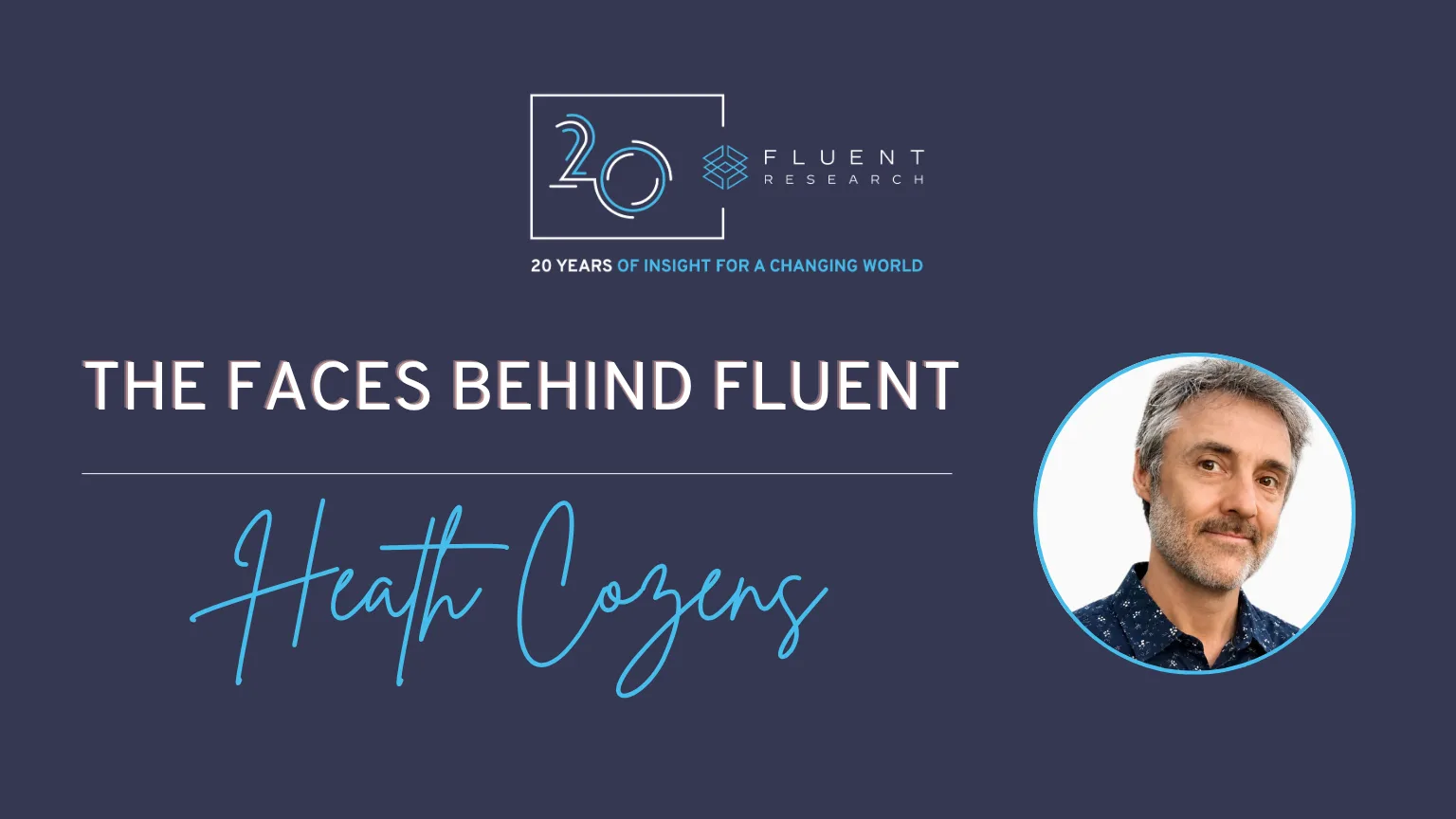
Heath Cozens – Director of Productions

A late night rendezvous. I encountered this lovely couple outside a local metro station in Mumbai, whilst on a shoot for a client. Romeo and Juliet vibes. I’m sentimental, I guess.


Amber Gonzalez – Quantitative Researcher

One of my favorite shots of the year, captured during my vacation in Puerto Rico. There’s something so serene about watching sunsets on the beach!


Nellie Gregorian – Founder and President

Welcoming our new puppy, Misha, to our family. We love him so much! He brings joy and laughter to our lives every single day.


Mary Meyn – Research Director and Chief of Staff

My family has vacationed in the same small beach town on the South Shore of Massachusetts for five generations. It is a treasured location for many members of my family, especially my grandmother, “Nan”, and my mom, who both shared their love of it with me. Now I have the privilege of sharing that love with my children when we visit each year. This picture from our most recent visit captures the joy of being there and reminds me that we are small parts of this vast and beautiful world.


Kelly Sheehan – Senior User Experience Researcher

This is a photo of a large sea turtle that I took at the New England Aquarium this summer. When we took my 2-year old daughter there for the first time this summer, this big guy swam right up to us in the tank. It was so wonderful to see these animals up close and see my daughter in awe!


At Fluent Research, we believe that a good book has the power to inspire, educate, and transform. In honor of National Book Lovers Day, we asked our team to share what they’re reading right now and their thoughts on the content. From thoughtful novels to powerful nonfiction, their diverse tastes reflect a passion for life, learning, and laughter.

Aeliya Ahmed – Project Manager

  • Tuesdays with Morrie by Mitch Albom
  • A friend of mine recently recommended this book to me and I’m enjoying it so far. It’s a book that’s written by a former student who goes on weekly visits to his old college professor, Morrie who’s dying from ALS. In their weekly talks, Morrie imparts gems of his end-of-life wisdom. I’m still making my way through all the lessons this book chronicles, but it has been a great reminder of what is truly important.


Charlotte Beatty – User Experience Researcher

  • Orlando by Virginia Woolf
  • Orlando is my favorite book I’ve read so far this year. As a big Virginia Woolf fan, I find Orlando to be the most playful, hopeful, and self-expressive novel in her body of work. The book exists as both a work of fiction and a surrealist autobiography of Woolf’s own life, identity, and relationships. The gender-bending, poetry-obsessed, effortlessly endearing Orlando lives for hundreds of years through different time periods, switching genders and lives overnight, and experiencing different political moments and social catalysts from different stratifications. The book is a snapshot of Woolf’s meditations on gender, politics, and power in conversation with the time period she was alive in, but her thoughts still feel relevant to the world we find ourselves in today, nearly a century later. The 1993 movie adaptation starring Tilda Swinton is equally moving and delightful.


Evelin Garcia – User Experience Researcher

  • Magic in Room 216: How One Teacher Came of Age and Inspired the Next Generation by Andee Nunn
  • The author of this book, Andee Nunn, was my English teacher in high school. At the time, I was having a very difficult time and living with so much uncertainty about the future. Mrs. Nunn was extremely supportive and did everything she could to help me go to college. To this day, she has been one of the most supportive teachers I’ve ever had and I am still in touch with her to this day. In this book, she talks about her experiences navigating education and recalls stories of the students who have made a lasting impression on her throughout her career. I highly recommend this book!


Mary Meyn – Research Director and Chief of Staff

  • Real Americans by Rachel Khong
  • I recently finished reading Real Americans, by Rachel Khong. A few years ago I read Khong’s 2017 novel called Goodbye, Vitamin and loved it. It was original, poignant, and beautifully written. So when I saw that Khong had a new novel coming out I knew I had to read it. Real Americans is a story of cross-generational family identity, as told from two perspectives. The two perspectives were radically different yet equally compelling and believable. I really enjoyed this novel and would recommend it to those who enjoy fiction!


Kelly Sheehan Senior User Experience Researcher

  • Funny Story by Emily Henry
  • Funny Story is a fictional story about a children’s librarian whose fiancé dumps her for his childhood best friend. She finds companionship in her fiancé’s new partner’s ex and soon begins to fall for him. Emily Henry only has a handful of books, and I was so excited about the release of this new one. She has a way of creating vivid and compelling characters whose storylines feel both understandable and novel. Her books feel like a complete escape from reality, and I love being pulled into her stories!


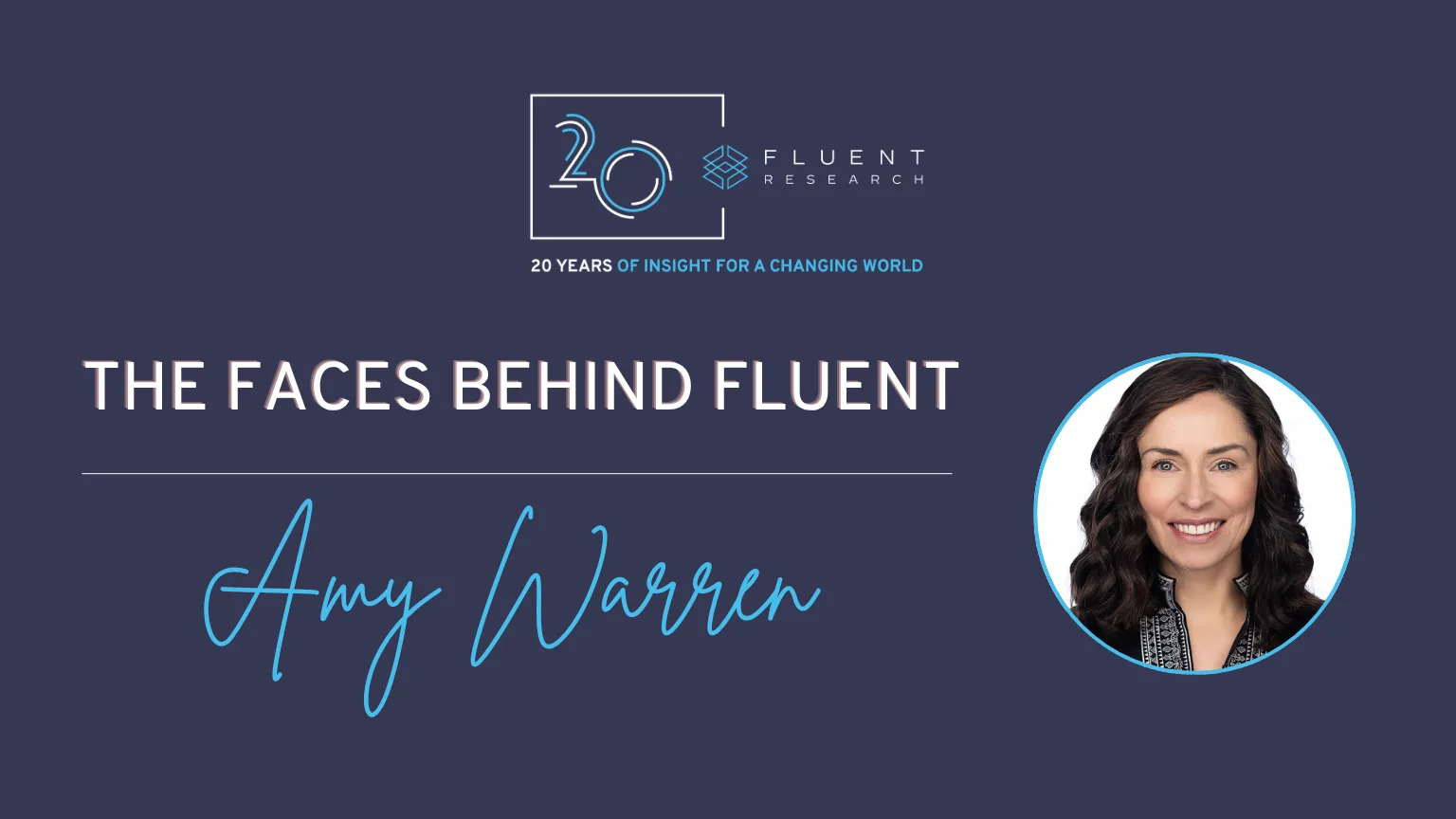
Amy Warren – Senior Child Development Researcher 

  • Braiding Sweetgrass by Robin Wall Kimmerer
  • I was drawn to this book for its blending of Indigenous knowledge and Western science. As a botanist and a member of the Citizen Potawatomi Nation, Kimmerer offers a unique perspective on our relationship with the Earth. She shares the wisdom and teachings of her ancestors, emphasizing the importance of reciprocity and gratitude towards the natural world. She delves into the intricate details of plant life, revealing the complex systems and relationships that sustain ecosystems. I love how she weaves together these two ways of knowing. I think it’s this sort of “mending of splits” — between Wisdom and Science, Humans and Nature — that is most needed now.


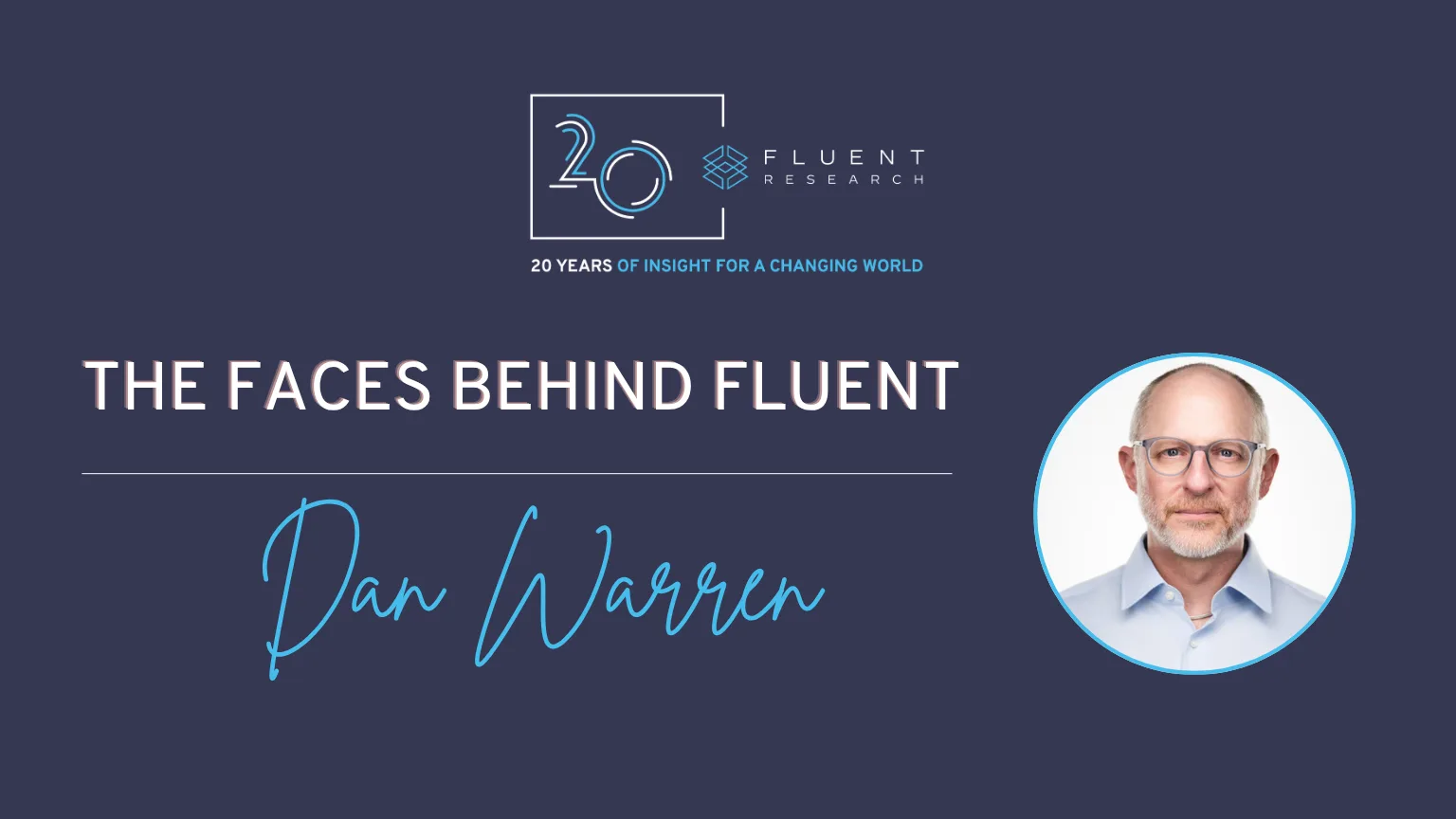
Dan Warren – Director of Youth Development & Education